

As a seasoned stainless steel forging supplier, I understand the significance of certifications in the industry. Certifications not only validate the quality and reliability of our products but also build trust with our customers. In this blog post, I will delve into the essential certifications required for a stainless steel forging manufacturer and why they matter.
ISO 9001:2015 Quality Management System
ISO 9001:2015 is an internationally recognized standard for quality management systems. It provides a framework for organizations to ensure that their products and services consistently meet customer requirements and regulatory standards. For a stainless steel forging manufacturer, obtaining ISO 9001:2015 certification demonstrates our commitment to quality and continuous improvement.
By implementing an ISO 9001:2015-compliant quality management system, we can effectively manage our processes, from raw material procurement to final product delivery. This includes establishing quality objectives, conducting regular internal audits, and implementing corrective and preventive actions. As a result, we can enhance customer satisfaction, reduce waste and rework, and improve overall operational efficiency.
ISO 14001:2015 Environmental Management System
In today's environmentally conscious world, it is crucial for stainless steel forging manufacturers to adopt sustainable practices. ISO 14001:2015 is an international standard for environmental management systems that helps organizations minimize their environmental impact. By obtaining ISO 14001:2015 certification, we can demonstrate our commitment to environmental sustainability and social responsibility.
An ISO 14001:2015-compliant environmental management system enables us to identify and manage environmental risks, reduce energy consumption and waste generation, and comply with relevant environmental regulations. This not only benefits the environment but also enhances our reputation as a responsible corporate citizen. Customers are increasingly demanding environmentally friendly products and services, and ISO 14001:2015 certification can give us a competitive edge in the market.
ASME Boiler and Pressure Vessel Code
The ASME Boiler and Pressure Vessel Code (BPVC) is a set of standards and regulations developed by the American Society of Mechanical Engineers (ASME). It provides rules for the design, fabrication, inspection, and testing of boilers, pressure vessels, and related components. For a stainless steel forging manufacturer, compliance with the ASME BPVC is essential when producing products for use in the boiler and pressure vessel industry.
Obtaining ASME certification demonstrates our ability to meet the strict quality and safety requirements of the ASME BPVC. This includes using approved materials, following proper manufacturing processes, and conducting thorough inspections and tests. ASME certification not only ensures the safety and reliability of our products but also opens up opportunities to supply to customers in the highly regulated boiler and pressure vessel market.
API Spec Q1 Quality Management System
The American Petroleum Institute (API) Spec Q1 is a quality management system standard specifically designed for the oil and gas industry. It provides requirements for organizations involved in the design, manufacture, and supply of products and services for the oil and gas sector. For a stainless steel forging manufacturer, obtaining API Spec Q1 certification is crucial when supplying products to the oil and gas industry.
API Spec Q1 certification demonstrates our commitment to quality, safety, and reliability in the oil and gas sector. It requires us to implement a comprehensive quality management system that includes processes for product design, procurement, manufacturing, inspection, and testing. By complying with API Spec Q1, we can ensure that our products meet the stringent requirements of the oil and gas industry and are suitable for use in critical applications.
NACE MR0175/ISO 15156
NACE MR0175/ISO 15156 is a standard that provides requirements for the selection and qualification of materials for use in oil and gas production environments containing hydrogen sulfide (H2S). It is essential for stainless steel forging manufacturers supplying products for use in sour gas applications.
NACE MR0175/ISO 15156 certification ensures that our products are resistant to sulfide stress cracking (SSC) and hydrogen-induced cracking (HIC) in sour gas environments. This requires us to use appropriate materials, follow proper heat treatment processes, and conduct rigorous testing to verify the performance of our products. By obtaining NACE MR0175/ISO 15156 certification, we can provide our customers with high-quality products that are suitable for use in challenging oil and gas production environments.
CE Marking
CE marking is a mandatory conformity marking for products sold in the European Economic Area (EEA). It indicates that a product meets the essential health and safety requirements of the relevant European Union (EU) directives. For a stainless steel forging manufacturer exporting products to the EEA, obtaining CE marking is essential to ensure compliance with EU regulations.
CE marking requires us to assess the conformity of our products with the applicable EU directives, such as the Pressure Equipment Directive (PED) and the Machinery Directive. This involves conducting a risk assessment, implementing appropriate technical measures, and maintaining a technical file. By obtaining CE marking, we can demonstrate that our products are safe and compliant with EU regulations, which is crucial for accessing the European market.
Other Certifications and Standards
In addition to the above certifications, there are other industry-specific certifications and standards that may be relevant to a stainless steel forging manufacturer. For example, the National Sanitation Foundation (NSF) certification is required for products used in the food and beverage industry to ensure compliance with food safety standards. The International Maritime Organization (IMO) certification is necessary for products used in the maritime industry to meet international safety and environmental regulations.
At our company, we are committed to obtaining and maintaining the necessary certifications and standards to ensure the quality, safety, and reliability of our products. We understand that certifications are not only a requirement but also a way to differentiate ourselves from our competitors and build trust with our customers.
Conclusion
In conclusion, certifications play a crucial role in the stainless steel forging industry. They provide assurance to customers that our products meet the highest quality and safety standards. By obtaining certifications such as ISO 9001:2015, ISO 14001:2015, ASME BPVC, API Spec Q1, NACE MR0175/ISO 15156, and CE marking, we can demonstrate our commitment to quality, environmental sustainability, and compliance with industry regulations.
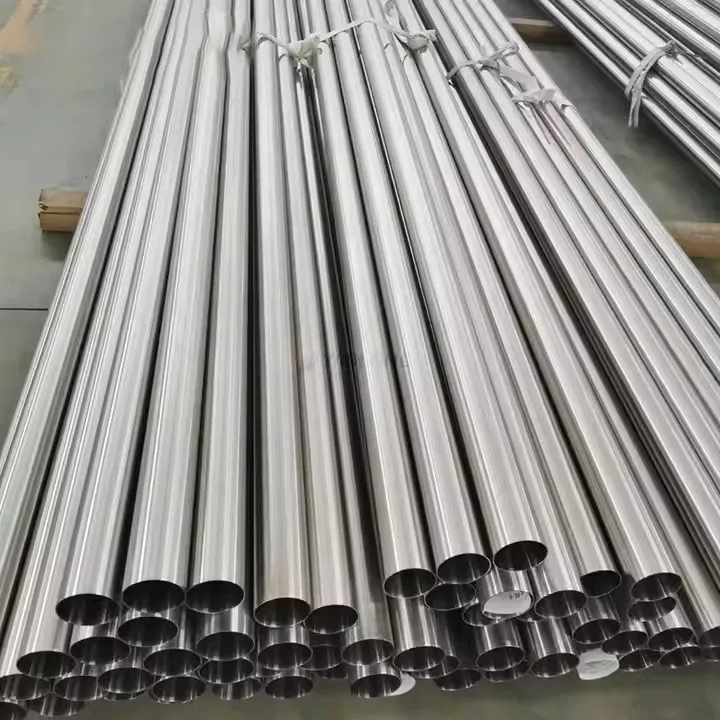

If you are in the market for high-quality stainless steel forgings, we invite you to explore our product range, including 304 Round Stainless Steel Pipe /Tube, Stainless Steel Rod Railing, and Hot Rolled Stainless Steel H Beam. Our certified products are designed to meet the diverse needs of our customers in various industries.
We are always ready to engage in discussions about your specific requirements and provide tailored solutions. Contact us today to start a procurement conversation and discover how our stainless steel forgings can add value to your projects.
References
- American Society of Mechanical Engineers (ASME). (2019). Boiler and Pressure Vessel Code.
- American Petroleum Institute (API). (2019). API Spec Q1 Quality Management System Requirements for Manufacturing Organizations for the Petroleum and Natural Gas Industry.
- International Organization for Standardization (ISO). (2015). ISO 9001:2015 Quality management systems — Requirements.
- International Organization for Standardization (ISO). (2015). ISO 14001:2015 Environmental management systems — Requirements with guidance for use.
- NACE International. (2015). NACE MR0175/ISO 15156 Petroleum and natural gas industries — Materials for use in H2S-containing environments in oil and gas production.