


Introduction
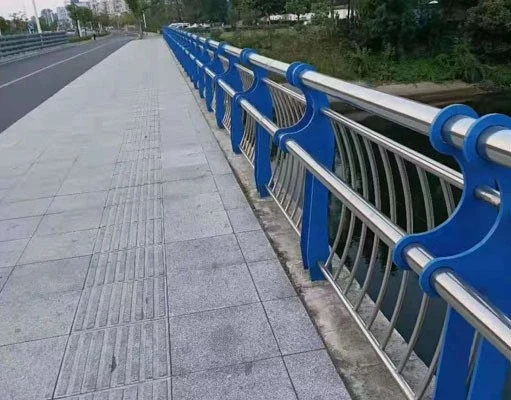
Stainless Steel Rod Railing, also known as stainless steel rod guardrail, is a safety protection facility composed of high-quality stainless steel round rods, precision connectors, and durable fixings. This type of guardrail uses 304 or 316-grade stainless steel materials. Due to its excellent corrosion resistance and high strength, it is widely used in bridges, balconies, stairs, decks, courtyards, and various public facilities, providing stable and beautiful safety protection.
Feature
High Strength and Toughness
Stainless Steel Rod Railing uses 304 or 316 stainless steel materials, which have a uniform internal grain structure and contain a high proportion of chromium, nickel, and other elements, which enhances the hardness and toughness of the material. The tensile strength of 304 stainless steel is about 520 MPa and the yield strength is about 205 MPa; while the tensile strength of 316 stainless steel is higher, reaching 515-685 MPa, and the yield strength is also about 205 MPa, ensuring the stability and safety of the guardrail when subjected to heavy loads or impacts.
Easy to maintain and clean
Stainless Steel Rod Railing features a smooth surface that resists dust and dirt accumulation. Compared to ordinary steel, the dirt adhesion rate on stainless steel surfaces is reduced by approximately 30%. Stains and dirt on the surface can be easily removed with just clean water and mild detergent.
Sustainability
The stainless steel used in Stainless Steel Rod Railing is a recyclable and sustainable material with a recycling rate of more than 90%, which is much higher than other materials.
Chemical Composition
Typically, Stainless Steel Rod Railing is made from grade 304 or 316 stainless steel. The 304 grade contains around 18% Chromium and 8% Nickel, while 316 includes 2-3% Molybdenum for added corrosion resistance, especially against chlorides.
Processing process
1. Cutting: First, the stainless steel raw material is cut to the precise lengths specified in the design requirements. This step ensures that the dimensions of each rod are accurate and lays the foundation for subsequent processing.
2. Forming: According to the design requirements, the cut stainless steel rods are formed. This may include bending, curving, or other shape adjustments to meet the design and structural requirements of the railing.
3. Surface finishing: After forming, the stainless steel rods need to be surface finished to improve their appearance quality, and durability. This usually includes polishing or brushing to remove minor flaws and give the rods a smooth and bright surface.
4. Fitting accessories: Upon completion, the rods are meticulously installed into the pre-drilled holes of the railing or securely attached to the posts utilizing specialized fittings. This meticulous process ensures a robust connection between the rods and the railing system.
5. Quality inspection: Before final packaging and shipment, we will conduct a comprehensive quality inspection on all completed stainless steel rod railings to ensure that each product meets our high standards and customer expectations.
Processing Technology
Cutting Technology: The use of advanced laser cutting or water cutting technology can ensure the precise size of the railing, smooth cuts, and reduce errors and waste.
Welding Technology: The use of advanced welding technologies such as TIG (tungsten arc gas shielded welding) or MIG (metal inert gas shielded welding) can ensure that the weld is flat and firm, and is not easy to crack or pore.
Grinding Technology: Fine grinding technology is an important part of improving the quality of the guardrail. Through multiple grinding processes, welding marks and burrs can be removed, making the surface of the guardrail smoother and more delicate. At the same time, the edges are rounded to reduce the risk of injury in an accidental collision.
Surface treatment
PVD treatment: PVD is an advanced surface treatment technology that forms an extremely thin and hard protective film by evaporating and depositing metal or alloy on the surface of the material in a high vacuum environment. This treatment can significantly improve the hardness, wear resistance, and corrosion resistance of the guardrail while maintaining a bright and lasting color.
Matte treatment: Matt treatment reduces the glossiness of the material surface by mechanical or chemical methods, giving it a soft matte effect. This treatment can reduce light reflection and improve visual comfort, especially suitable for places where glare needs to be reduced.
Mirror treatment: Mirror treatment involves making the surface of the material highly smooth and reflective through fine grinding and polishing. This treatment can significantly improve the gloss and overall aesthetics of the guardrail, making it more upscale and elegant.


Three Common Questions and Answers:
Hot Tags: stainless steel rod railing, China stainless steel rod railing manufacturers, suppliers, factory, tough stainless steel shape, stainless steel shape for condensers, rustproof stainless steel shape, stainless steel shape for valves, stainless steel shape for support structures, stainless steel shape for electrical applications

