

Both 304 and 316 stainless steels are classified as food-grade materials and possess certain safety features; however, their performance may vary in specific applications.

304 stainless steel is a versatile type widely used for equipment and components that require good overall performance. It has strong corrosion resistance and is suitable for most food processing and storage scenarios. The main advantages of 304 stainless steel include its lower cost and excellent performance, making it commonly used in the food industry for equipment and utensils such as cutting boards, knives, and tableware.
316 stainless steel, on the other hand, includes molybdenum in its composition, which enhances its corrosion resistance and high-temperature performance compared to 304 stainless steel. Particularly in environments containing chloride ions, the corrosion resistance of 316 stainless steel stands out. Additionally, 316 stainless steel exhibits better high-temperature stability, making it more suitable for food processing and storage equipment in high-salinity environments, such as pickling tanks and fermentation tanks.
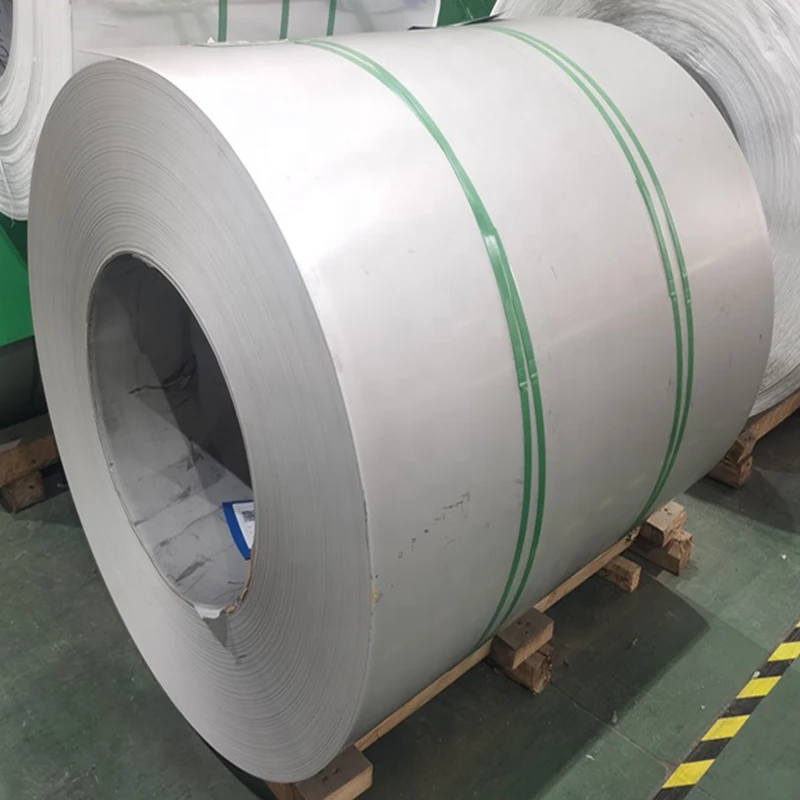
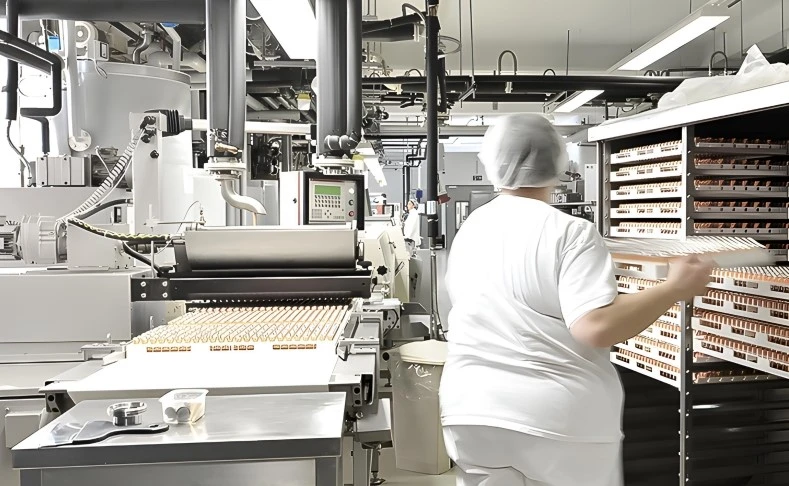
Conclusion
When choosing food-grade stainless steel, it is essential to consider various factors, including the usage environment, budget, and performance requirements. If the budget allows and the usage environment has high chloride levels, opting for 316 stainless steel is a wise choice. However, for general food processing and storage scenarios, 304 stainless steel is often the preferred option due to its excellent performance and lower cost.
Advantages of 316 Stainless Steel in the Food Industry
1. Superior Corrosion Resistance
The addition of molybdenum in 316 stainless steel enhances its corrosion resistance, especially in environments with chloride ions. This makes 316 stainless steel highly suitable for food processing and storage equipment in high-salinity and marine environments, such as pickling tanks and seafood processing equipment.
2. Better High-Temperature Stability
316 stainless steel maintains its physical properties and chemical stability even under high-temperature conditions. This characteristic allows it to perform excellently in high-temperature food processing applications, such as steam cleaning and high-temperature cooking.
3. Antibacterial Properties
The smooth surface of 316 stainless steel makes it less likely to harbor bacteria, meeting food safety standards and reducing the risk of food contamination. This is crucial in the food processing industry, especially in environments requiring strict hygiene controls.
4. Mechanical Properties
316 stainless steel has good mechanical strength and toughness, enabling it to withstand the mechanical stresses encountered during processing. This durability reduces the frequency of maintenance and replacement in food processing equipment.
5. Easy to Clean and Maintain
The surface treatment and smoothness of 316 stainless steel simplify the cleaning process, aligning with the stringent hygiene and safety requirements of the food industry.