

Solar energy systems are at the forefront of the global shift towards renewable energy sources. As a supplier of 420 stainless steel pipes, I am often asked about the specific applications of these pipes within solar energy systems. In this blog post, I will explore the various parts of solar energy systems where 420 stainless steel pipes can be effectively used, highlighting their unique properties and benefits.
Understanding 420 Stainless Steel Pipe
Before delving into its applications in solar energy systems, it's essential to understand the characteristics of 420 stainless steel pipe. 420 stainless steel is a martensitic stainless steel known for its high hardness, good corrosion resistance, and excellent mechanical properties. It contains chromium, which forms a passive oxide layer on the surface, protecting the pipe from rust and corrosion. Additionally, its high carbon content provides increased strength and wear resistance, making it suitable for various demanding applications.
Structural Components in Solar Panel Mounting Systems
One of the primary applications of 420 stainless steel pipes in solar energy systems is in the structural components of solar panel mounting systems. These systems are designed to securely hold solar panels in place, ensuring optimal exposure to sunlight. 420 stainless steel pipes are used to construct the frames, support structures, and brackets that make up these mounting systems.
The high strength and durability of 420 stainless steel pipes make them ideal for withstanding the various forces acting on solar panel mounting systems, including wind, snow, and seismic loads. Their corrosion resistance ensures that the structural components remain intact and functional over an extended period, even in harsh environmental conditions. Moreover, the smooth surface finish of 420 stainless steel pipes reduces the risk of debris accumulation, which could otherwise affect the performance of the solar panels.
Heat Exchangers in Solar Thermal Systems
Solar thermal systems are used to capture and convert solar energy into heat, which can be used for various purposes such as space heating, water heating, and industrial processes. Heat exchangers play a crucial role in these systems by transferring heat from the solar collector to the working fluid.
420 stainless steel pipes are commonly used in the construction of heat exchangers due to their excellent thermal conductivity and corrosion resistance. The high thermal conductivity allows for efficient heat transfer, ensuring that the solar thermal system operates at maximum efficiency. At the same time, the corrosion resistance of 420 stainless steel pipes protects them from the corrosive effects of the working fluid, which may contain chemicals or impurities.
Fluid Transport in Solar Energy Systems
In addition to structural components and heat exchangers, 420 stainless steel pipes are also used for fluid transport in solar energy systems. These pipes are used to carry the working fluid, such as water or a heat transfer fluid, between different components of the system, including the solar collector, heat exchanger, and storage tank.
The smooth interior surface of 420 stainless steel pipes reduces friction and pressure drop, allowing for efficient fluid flow. Their corrosion resistance prevents the formation of scale and rust, which could otherwise clog the pipes and reduce the system's performance. Furthermore, the high strength of 420 stainless steel pipes ensures that they can withstand the pressure and temperature variations associated with fluid transport in solar energy systems.
Advantages of Using 420 Stainless Steel Pipe in Solar Energy Systems
There are several advantages to using 420 stainless steel pipes in solar energy systems. Firstly, their high strength and durability reduce the need for frequent maintenance and replacement, resulting in lower long-term costs. Secondly, their corrosion resistance ensures that the pipes remain functional and reliable, even in aggressive environments, improving the overall performance and lifespan of the solar energy system.
Thirdly, the smooth surface finish of 420 stainless steel pipes enhances the efficiency of the system by reducing friction and improving fluid flow. Fourthly, 420 stainless steel pipes are environmentally friendly, as they can be recycled at the end of their useful life, reducing the environmental impact of the solar energy system.
Related Products for Solar Energy Systems
In addition to 420 stainless steel pipes, there are other related products that can be used in solar energy systems. For example, 440C Stainless Steel Sheet is a high-carbon martensitic stainless steel with excellent wear resistance and corrosion resistance, which can be used for manufacturing certain components in solar panel mounting systems. 440C Stainless Steet also offers similar properties and can be a suitable choice for specific applications in solar energy systems.
Another related product is Ss 410 2mm 3mm 6mm Stainless Steel Round Bar, which can be used in the construction of small structural components or as fasteners in solar energy systems. These products, along with 420 stainless steel pipes, provide a comprehensive range of materials for the efficient and reliable operation of solar energy systems.
Conclusion
In conclusion, 420 stainless steel pipes play a vital role in various parts of solar energy systems, including the structural components of solar panel mounting systems, heat exchangers in solar thermal systems, and fluid transport. Their high strength, durability, corrosion resistance, and thermal conductivity make them an ideal choice for these applications.

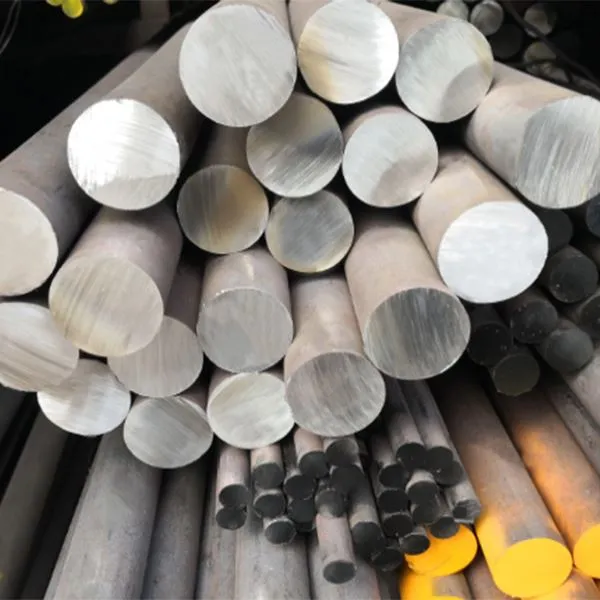
As a supplier of 420 stainless steel pipes, I am committed to providing high-quality products that meet the specific requirements of solar energy system manufacturers. If you are interested in learning more about our 420 stainless steel pipes or other related products, or if you have any questions regarding their applications in solar energy systems, please feel free to contact us. We look forward to the opportunity to discuss your needs and provide you with the best solutions for your solar energy projects.
References
- ASM Handbook Volume 13A: Corrosion, ASM International
- Solar Energy Engineering: Processes and Systems, Soteris A. Kalogirou