

Hey there! As a stainless steel wire rod supplier, I often get asked about the tensile strength of stainless steel wire rod. So, I thought I'd write this blog to give you all the lowdown on it.
First off, let's understand what tensile strength means. Tensile strength is basically the maximum amount of pulling force a material can handle before it breaks. In the case of stainless steel wire rod, it's a crucial property because it determines how well the wire rod can withstand stretching and pulling in various applications.
Stainless steel wire rod comes in different grades, and each grade has its own unique tensile strength. The most common grades of stainless steel wire rod include 304, 316, and 430. These grades have different chemical compositions, which directly affect their tensile strength.
Grade 304 stainless steel wire rod is one of the most widely used grades. It contains around 18% chromium and 8% nickel, which gives it good corrosion resistance and a decent tensile strength. Typically, the tensile strength of 304 stainless steel wire rod ranges from about 520 MPa to 720 MPa. This makes it suitable for a variety of applications, such as in the construction industry for making fasteners, in the automotive industry for wire mesh and springs, and in the manufacturing of household appliances.
Grade 316 stainless steel wire rod is known for its superior corrosion resistance, especially in marine and chemical environments. It has a slightly higher nickel content than 304, usually around 10 - 14%, and also contains molybdenum. The tensile strength of 316 stainless steel wire rod is similar to that of 304, ranging from approximately 520 MPa to 720 MPa. Due to its excellent corrosion - resistant properties, it's often used in applications where exposure to harsh chemicals or saltwater is expected, like in coastal construction projects or in the chemical processing industry.
Grade 430 stainless steel wire rod is a ferritic stainless steel. It has a lower nickel content compared to 304 and 316, which makes it more cost - effective. However, its corrosion resistance is not as good as the austenitic grades. The tensile strength of 430 stainless steel wire rod is generally in the range of 450 MPa to 600 MPa. It's commonly used in applications where corrosion resistance is not the primary concern, such as in the manufacturing of kitchen utensils and some decorative items.
Now, there are several factors that can affect the tensile strength of stainless steel wire rod. One of the main factors is the manufacturing process. The way the wire rod is produced, including the hot rolling and cold drawing processes, can have a significant impact on its tensile strength. During hot rolling, the steel is heated to a high temperature and then rolled into the desired shape. This process can refine the grain structure of the steel, which in turn can increase its strength. Cold drawing, on the other hand, involves pulling the wire rod through a die at room temperature. This further increases the strength of the wire rod by work - hardening it.
The heat treatment also plays a crucial role. Annealing, for example, is a heat treatment process where the wire rod is heated to a specific temperature and then slowly cooled. This can relieve internal stresses in the wire rod and improve its ductility, but it may also slightly reduce its tensile strength. Quenching and tempering are other heat treatment methods that can be used to increase the tensile strength of the wire rod by changing its microstructure.
The chemical composition of the stainless steel is another important factor. As mentioned earlier, the amount of chromium, nickel, and other alloying elements can affect the strength of the wire rod. For instance, increasing the nickel content in austenitic stainless steels can generally improve their strength and corrosion resistance.
When it comes to applications, the tensile strength of stainless steel wire rod is of utmost importance. In the construction industry, for example, high - tensile strength wire rods are used to make prestressed concrete structures. These structures rely on the wire rods to withstand the high forces generated during construction and in service. In the automotive industry, wire rods with appropriate tensile strength are used to make components like seat springs and engine valve springs. These springs need to have a high enough tensile strength to function properly under the repeated stress and strain they are subjected to.
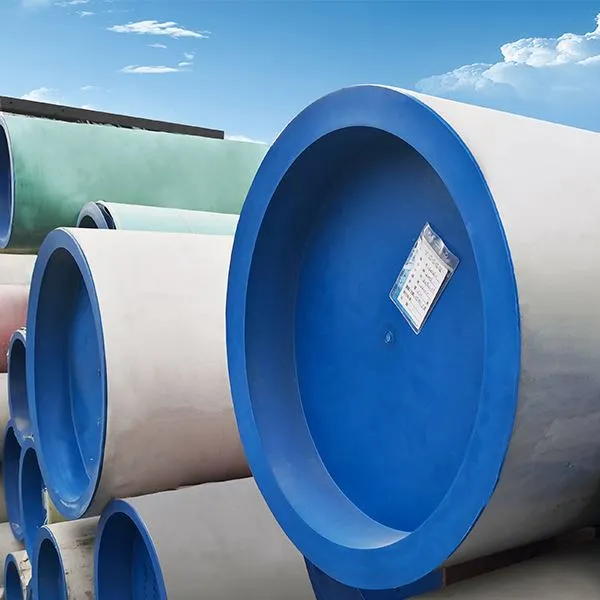

If you're in the market for stainless steel wire rod, you might also be interested in other stainless steel products we offer. Check out our Seamless Stainless Steel Tube JIS 409L Grade Stainless Steel Pipe With Moulded, Super Duplex 2507 Pipe, and 304L Stainless Steel Welded Steel Pipe. These products are also made with high - quality stainless steel and are suitable for a wide range of applications.
In conclusion, understanding the tensile strength of stainless steel wire rod is essential for choosing the right grade for your specific application. Whether you need a high - strength wire rod for a heavy - duty construction project or a more corrosion - resistant one for a marine application, we've got you covered. If you have any questions about our stainless steel wire rod or other products, or if you're interested in placing an order, don't hesitate to get in touch. We're here to help you find the best stainless steel solutions for your needs.
References:
- "Stainless Steel: A Practical Guide" by ASM International
- "Handbook of Stainless Steels" edited by Yuri A. Chang