

As a seasoned supplier of Inconel 718 plates, I am often asked about the melting point of this remarkable alloy. In this blog post, I'll delve into the details of Inconel 718's melting point, its significance, and how it relates to the material's performance in various applications.
Understanding Inconel 718
Inconel 718 is a nickel - chromium - molybdenum alloy that is renowned for its high strength, excellent corrosion resistance, and good weldability. It is widely used in aerospace, marine, and chemical processing industries due to its ability to maintain its mechanical properties at elevated temperatures.
The chemical composition of Inconel 718 includes approximately 50 - 55% nickel, 17 - 21% chromium, 2.8 - 3.3% molybdenum, 4.75 - 5.5% niobium, and small amounts of other elements such as titanium, aluminum, and iron. This unique combination of elements gives Inconel 718 its exceptional properties.
The Melting Point of Inconel 718 Plate
The melting point of Inconel 718 typically ranges from 2300°F to 2460°F (1260°C to 1350°C). This relatively high melting point is one of the key characteristics that make Inconel 718 suitable for high - temperature applications.
The specific melting point can vary slightly depending on the exact chemical composition of the alloy and the manufacturing process. For example, impurities or slight variations in the percentage of alloying elements can influence the melting range. In our production process, we carefully control the chemical composition to ensure that the Inconel 718 plates we supply have a consistent and reliable melting point within the standard range.
Significance of the Melting Point
The high melting point of Inconel 718 is crucial for its performance in high - temperature environments. In aerospace applications, for instance, components made from Inconel 718 are often exposed to extreme heat generated by jet engines. The ability of Inconel 718 to remain solid and maintain its mechanical properties at such high temperatures is essential for the safety and efficiency of the aircraft.
In the chemical processing industry, Inconel 718 is used in equipment that handles corrosive chemicals at elevated temperatures. The high melting point ensures that the material does not melt or deform under the harsh conditions, providing long - term reliability and preventing leaks or failures in the processing equipment.
Comparison with Other Alloys
When compared to other common alloys, Inconel 718's high melting point gives it a distinct advantage. For example, some stainless steels have lower melting points, which limits their use in high - temperature applications. In contrast, Inconel 718 can withstand much higher temperatures without significant loss of strength or integrity.
Another related alloy is Incoloy 825. While Incoloy 825 is also a high - performance alloy with good corrosion resistance, its melting point is generally lower than that of Inconel 718. You can learn more about Incoloy 825 Fastener on our website.
Inconel 600 is another well - known alloy. The Inconel 600 Sheet and Inconel 600 Bar also have their own unique properties. Inconel 600 has a melting point in the range of 2370°F to 2460°F (1300°C to 1350°C), which is comparable to Inconel 718 but may have different performance characteristics depending on the application.
Manufacturing Considerations
The high melting point of Inconel 718 also has implications for the manufacturing process. Melting and casting Inconel 718 require specialized equipment and techniques to ensure that the alloy is melted evenly and that the final product has the desired properties.

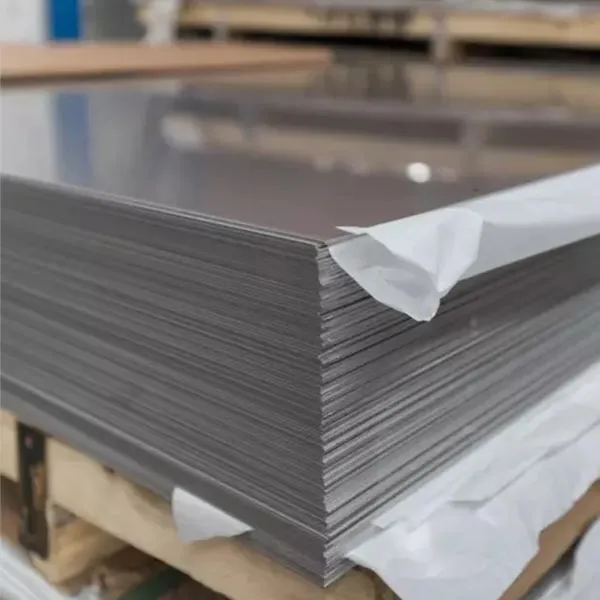
During the melting process, we use advanced induction furnaces that can reach the high temperatures necessary to melt Inconel 718. We also carefully control the atmosphere in the furnace to prevent oxidation and contamination of the alloy. After melting, the alloy is cast into ingots, which are then further processed into plates through hot rolling and cold rolling operations.
Applications of Inconel 718 Plates
Inconel 718 plates are used in a wide range of applications. In the aerospace industry, they are used for engine components such as turbine discs, blades, and casings. The high strength and high - temperature resistance of Inconel 718 make it ideal for these critical parts.
In the oil and gas industry, Inconel 718 plates are used in subsea equipment, wellhead components, and pipelines. The corrosion resistance and high - temperature performance of the alloy ensure the reliability of the equipment in harsh offshore environments.
In the power generation industry, Inconel 718 plates are used in gas turbines and nuclear power plants. The ability of the alloy to withstand high temperatures and corrosive environments makes it suitable for these demanding applications.
Quality Assurance
As a supplier of Inconel 718 plates, we are committed to providing high - quality products. We conduct rigorous quality control tests on our Inconel 718 plates to ensure that they meet the required standards. This includes testing the chemical composition, mechanical properties, and melting point of the alloy.
We use advanced analytical techniques such as spectroscopy to determine the chemical composition of the alloy accurately. Tensile testing is performed to measure the strength and ductility of the plates, and differential scanning calorimetry (DSC) is used to determine the melting point precisely.
Conclusion
The melting point of Inconel 718 plate, ranging from 2300°F to 2460°F (1260°C to 1350°C), is a critical factor that contributes to its excellent performance in high - temperature and corrosive environments. Its high melting point, combined with its other properties such as high strength and good corrosion resistance, makes Inconel 718 a preferred choice for many industries.
If you are in need of high - quality Inconel 718 plates for your specific application, we are here to help. Our team of experts can provide you with detailed information about our products and assist you in selecting the right material for your needs. Contact us to start a procurement discussion and find out how our Inconel 718 plates can meet your requirements.
References
- ASM Handbook, Volume 2: Properties and Selection: Nonferrous Alloys and Special - Purpose Materials.
- Nickel - Based Alloys: Properties, Processing, and Applications by John R. Davis.