

What is the maximum allowable working pressure for Inconel 625 sheet? This is a question that often arises among engineers, designers, and those involved in high - performance applications where Inconel 625 sheets are used. As a trusted supplier of Inconel 625 sheets, I'm here to shed some light on this important topic.
Inconel 625 is a nickel - chromium - molybdenum alloy that offers exceptional corrosion resistance, high strength, and excellent fabricability. These properties make it a popular choice in a wide range of industries, including aerospace, chemical processing, marine, and oil and gas. But when it comes to determining the maximum allowable working pressure, several factors come into play.
Material Properties of Inconel 625 Sheet
Before delving into the maximum allowable working pressure, it's essential to understand the key material properties of Inconel 625. The alloy has a high nickel content (around 58% min), which provides excellent resistance to corrosion in various environments, including seawater, acidic solutions, and high - temperature oxidizing atmospheres. Chromium (20 - 23%) enhances the alloy's resistance to oxidation and scaling, while molybdenum (8 - 10%) contributes to its strength and pitting corrosion resistance.
The tensile strength of Inconel 625 sheet typically ranges from 830 MPa (120 ksi) to 1030 MPa (150 ksi), and its yield strength is around 415 MPa (60 ksi). These high - strength values are crucial when considering the pressure the sheet can withstand. Additionally, Inconel 625 has good ductility, which allows it to deform plastically before failure, providing an extra margin of safety in high - pressure applications.
Factors Affecting the Maximum Allowable Working Pressure
- Thickness of the Sheet: One of the most significant factors influencing the maximum allowable working pressure is the thickness of the Inconel 625 sheet. Thicker sheets can generally withstand higher pressures because they have more material to resist the internal forces generated by the pressure. For example, a thicker sheet will have a greater cross - sectional area to distribute the stress caused by the pressure, reducing the likelihood of deformation or rupture.
- Temperature: Temperature has a profound effect on the mechanical properties of Inconel 625. As the temperature increases, the strength of the alloy decreases. At elevated temperatures, the atoms in the material have more energy and are more likely to move, which can lead to creep (slow, continuous deformation under stress) and a reduction in the alloy's ability to withstand pressure. Therefore, the maximum allowable working pressure must be adjusted based on the operating temperature.
- Geometry of the Application: The shape and design of the component made from Inconel 625 sheet also play a role in determining the maximum allowable working pressure. For instance, a cylindrical vessel made from the sheet will have different stress distribution compared to a flat plate. In a cylindrical vessel, the hoop stress (circumferential stress) is usually the critical factor, while in a flat plate, the bending stress may be more significant.
- Welding and Fabrication Quality: If the Inconel 625 sheet is welded or fabricated into a component, the quality of the welding and fabrication processes can affect the maximum allowable working pressure. Poor welding can introduce defects such as porosity, cracks, or lack of fusion, which can weaken the material and reduce its pressure - bearing capacity.
Calculating the Maximum Allowable Working Pressure
To calculate the maximum allowable working pressure for Inconel 625 sheet, engineers often use formulas based on the principles of mechanics and materials science. One of the most common methods is the Barlow's formula, which is used for thin - walled cylindrical vessels. The formula is as follows:
[P=\frac{2St}{D}]
Where:
- (P) is the maximum allowable working pressure
- (S) is the allowable stress of the material
- (t) is the thickness of the sheet
- (D) is the internal diameter of the vessel
However, it's important to note that this formula is a simplified approach and has limitations. For more complex geometries or applications, finite element analysis (FEA) may be required. FEA is a numerical method that can accurately simulate the stress distribution in a component under different loading conditions, taking into account factors such as material properties, geometry, and boundary conditions.
Industry Standards and Codes
In addition to theoretical calculations, industry standards and codes also provide guidelines for determining the maximum allowable working pressure for Inconel 625 sheet. For example, the American Society of Mechanical Engineers (ASME) Boiler and Pressure Vessel Code (BPVC) contains detailed rules and requirements for the design, fabrication, and inspection of pressure vessels. These standards ensure that pressure vessels made from Inconel 625 sheet are safe and reliable.
Comparison with Other Alloys
When considering Inconel 625 sheet for high - pressure applications, it's useful to compare it with other similar alloys. Incoloy 825 Fastener is another nickel - based alloy that is often used in corrosive environments. While Incoloy 825 has good corrosion resistance, its strength is generally lower than that of Inconel 625. As a result, Inconel 625 may be a better choice for applications where high pressure and corrosion resistance are both required.
Inconel 600 Sheet is also a well - known nickel - chromium alloy. Inconel 600 has excellent oxidation resistance at high temperatures but is not as resistant to pitting and crevice corrosion as Inconel 625. In terms of pressure - bearing capacity, Inconel 625's higher strength and better corrosion resistance make it more suitable for high - pressure and harsh - environment applications.
Applications of Inconel 625 Sheet in High - Pressure Situations
In the aerospace industry, Inconel 625 sheet is used in the construction of high - pressure hydraulic systems, engine components, and fuel tanks. These applications require materials that can withstand high pressures and extreme temperatures while maintaining their structural integrity.
In the chemical processing industry, Inconel 625 sheet is used to fabricate reactors, heat exchangers, and piping systems. These components are often exposed to corrosive chemicals and high - pressure fluids, making Inconel 625 an ideal choice due to its excellent corrosion resistance and high strength.
In the oil and gas industry, Inconel 625 sheet is used in subsea equipment, such as wellhead components and pipelines. These applications require materials that can withstand the high pressures and corrosive environments found in deep - sea oil and gas production.
Our Role as an Inconel 625 Sheet Supplier
As a supplier of Inconel 625 Sheet, we understand the importance of providing high - quality materials that meet the specific requirements of our customers. We source our Inconel 625 sheets from reputable manufacturers and ensure that they undergo strict quality control measures.
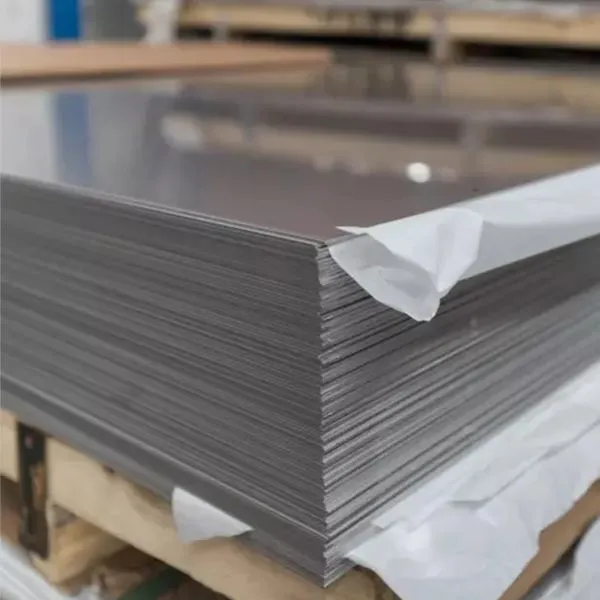

We have a team of experts who can assist our customers in selecting the right thickness and grade of Inconel 625 sheet for their high - pressure applications. We can also provide technical support and advice on welding, fabrication, and installation to ensure that the final product performs as expected.
Contact Us for Your Inconel 625 Sheet Needs
If you are involved in an application that requires Inconel 625 sheet and need to determine the maximum allowable working pressure, or if you have any other questions about our products, we encourage you to contact us. Our team is ready to discuss your specific requirements and provide you with the best solutions. Whether you are an engineer, a designer, or a procurement professional, we are here to support you in your project.
References
- ASME Boiler and Pressure Vessel Code
- Metals Handbook, Volume 2: Properties and Selection: Nonferrous Alloys and Special - Purpose Materials
- Technical literature from Inconel 625 manufacturers