

Crevice corrosion is a localized form of corrosion that occurs in confined spaces or crevices where there is limited access to the surrounding environment. Alloy C276, also known as Hastelloy C276, is a nickel - molybdenum - chromium superalloy with excellent corrosion resistance. As a supplier of Alloy C276, I have in - depth knowledge about its crevice corrosion resistance, which I will share in this blog.
Composition and General Properties of Alloy C276
Alloy C276 has a complex chemical composition that plays a crucial role in its corrosion - resistant properties. It typically contains approximately 57% nickel, 16% molybdenum, 15% chromium, along with small amounts of tungsten, iron, and other elements. The high nickel content provides good resistance to a wide range of corrosive media, while molybdenum enhances resistance to pitting and crevice corrosion. Chromium contributes to the formation of a passive oxide film on the surface of the alloy, which protects it from further corrosion.
The mechanical properties of Alloy C276 are also remarkable. It has high strength and good ductility, which allows it to be fabricated into various shapes such as sheets, pipes, and fasteners. These properties make it suitable for a wide range of applications in harsh environments, including chemical processing, pollution control, and offshore oil and gas production.
Understanding Crevice Corrosion
Crevice corrosion is initiated when there is a difference in the concentration of corrosive species between the crevice and the bulk solution. In a crevice, the flow of oxygen and other ions is restricted. As a result, a concentration cell is formed, with the crevice acting as the anode and the surrounding area as the cathode. This leads to an accelerated corrosion rate within the crevice.
The process of crevice corrosion involves several steps. First, the oxygen within the crevice is depleted due to the limited diffusion. Then, the metal within the crevice starts to dissolve, releasing metal ions. To maintain charge neutrality, chloride ions from the solution migrate into the crevice. This increases the acidity and the chloride concentration within the crevice, further accelerating the corrosion process.
Crevice Corrosion Resistance of Alloy C276
Alloy C276 exhibits outstanding crevice corrosion resistance in many aggressive environments. The high molybdenum content in the alloy is the key factor contributing to this resistance. Molybdenum helps to form a stable passive film on the surface of the alloy, which can withstand the attack of aggressive ions such as chloride.
In chloride - containing solutions, which are common in many industrial applications, Alloy C276 has been shown to resist crevice corrosion even at relatively high temperatures and chloride concentrations. For example, in seawater, which is a highly corrosive environment with a high chloride content, Alloy C276 can maintain its integrity for long periods. The passive film formed on the surface of the alloy acts as a barrier, preventing the penetration of chloride ions into the metal matrix.
In addition to chloride - containing solutions, Alloy C276 also shows good resistance to crevice corrosion in other aggressive media such as sulfuric acid, hydrochloric acid, and phosphoric acid. The combination of nickel, molybdenum, and chromium in the alloy provides a synergistic effect, enhancing its overall corrosion resistance.
Factors Affecting Crevice Corrosion Resistance of Alloy C276
Although Alloy C276 has excellent crevice corrosion resistance, several factors can affect its performance. Temperature is one of the most important factors. As the temperature increases, the rate of chemical reactions within the crevice also increases, which can accelerate the corrosion process. In general, the crevice corrosion resistance of Alloy C276 decreases with increasing temperature. However, it still maintains relatively good resistance compared to many other alloys.
The chloride concentration in the solution also has a significant impact on crevice corrosion. Higher chloride concentrations can increase the aggressiveness of the solution, making it more likely for crevice corrosion to occur. The pH of the solution is another factor. In acidic solutions, the corrosion rate is usually higher than in neutral or alkaline solutions.
The design of the component also plays a role in crevice corrosion resistance. Tight - fitting joints, gaskets, and overlapping surfaces can create crevices where corrosion can initiate. Therefore, proper design and installation are essential to minimize the risk of crevice corrosion.
Comparison with Other Alloys
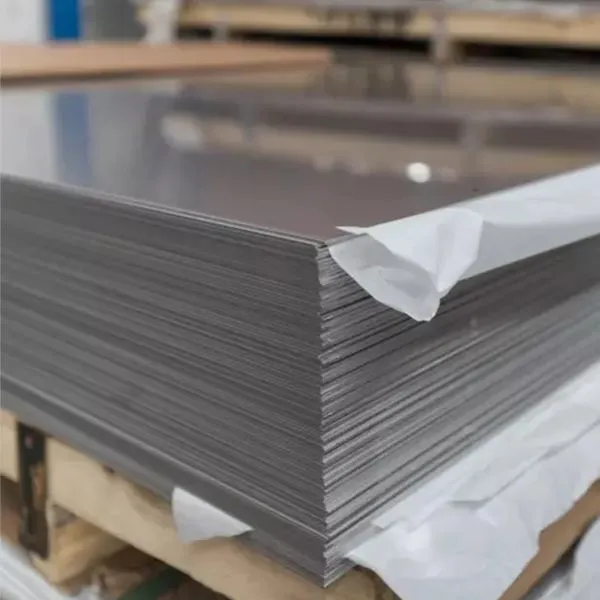
When comparing Alloy C276 with other alloys, its crevice corrosion resistance stands out. For example, Inconel 600 Sheet is a well - known nickel - chromium alloy. While it has good general corrosion resistance, its crevice corrosion resistance is not as good as that of Alloy C276, especially in chloride - containing environments.
Inconel 625 Sheet is another alloy with excellent corrosion resistance. It contains a significant amount of nickel, chromium, and molybdenum. However, Alloy C276 still has an edge in terms of crevice corrosion resistance, particularly in highly aggressive media.
Incoloy 825 Fastener is a nickel - iron - chromium alloy. Although it is suitable for many applications, its crevice corrosion resistance is inferior to that of Alloy C276 in harsh environments.
Applications Based on Crevice Corrosion Resistance
The outstanding crevice corrosion resistance of Alloy C276 makes it a popular choice in many industries. In the chemical processing industry, it is used in equipment such as reactors, heat exchangers, and piping systems. These components are often exposed to highly corrosive chemicals, and the crevice corrosion resistance of Alloy C276 ensures their long - term reliability.
In the offshore oil and gas industry, Alloy C276 is used in subsea equipment, such as wellhead components and flowlines. The harsh marine environment, with its high chloride content and variable temperatures, requires materials with excellent corrosion resistance. Alloy C276 can withstand the challenges of this environment, reducing the risk of equipment failure due to crevice corrosion.
Conclusion
Alloy C276 is a high - performance alloy with excellent crevice corrosion resistance. Its unique chemical composition, including high nickel, molybdenum, and chromium content, provides a combination of properties that make it suitable for use in harsh and aggressive environments. While factors such as temperature, chloride concentration, and component design can affect its crevice corrosion resistance, proper selection and application can ensure its long - term performance.
If you are looking for a reliable material for applications where crevice corrosion is a concern, Alloy C276 is an excellent choice. As a supplier of Alloy C276, I am committed to providing high - quality products and professional technical support. Whether you need sheets, pipes, or fasteners made of Alloy C276, we can meet your requirements. If you have any questions or are interested in purchasing Alloy C276 products, please feel free to contact us for further discussion and negotiation.

References
- "Corrosion Resistance of Nickel - Base Alloys", ASM International Handbook Committee, ASM International.
- "Handbook of Corrosion Data", Second Edition, by Bruce D. Craig.
- "Corrosion Science and Engineering", by David A. Jones.