

Monel 400, a nickel-copper alloy, is renowned for its excellent corrosion resistance, making it a popular choice in various industrial applications. As a trusted supplier of Monel 400 plates, I have witnessed firsthand the alloy's remarkable performance in diverse environments, especially in acidic conditions. In this blog post, I will delve into the corrosion resistance of Monel 400 plates in acidic environments, exploring the factors that influence its performance and highlighting its advantages over other materials.
Composition and Properties of Monel 400
Monel 400 is composed of approximately 63% nickel and 28 - 34% copper, with small amounts of iron, manganese, carbon, and silicon. This unique composition gives Monel 400 a combination of properties that make it highly resistant to corrosion. The high nickel content provides excellent resistance to corrosion in a wide range of media, including acids, alkalis, and salts. Copper enhances the alloy's resistance to corrosion in non-oxidizing acids, such as hydrochloric and sulfuric acids. Additionally, the presence of small amounts of iron and manganese improves the alloy's strength and toughness.
Corrosion Resistance in Acidic Environments
One of the key advantages of Monel 400 plates is their excellent corrosion resistance in acidic environments. The alloy is highly resistant to corrosion in both dilute and concentrated non-oxidizing acids, such as hydrochloric acid (HCl), sulfuric acid (H₂SO₄), and hydrofluoric acid (HF). In these acids, Monel 400 forms a protective oxide film on its surface, which prevents further corrosion. The oxide film is stable and adherent, providing long-term protection against corrosion.
In hydrochloric acid, Monel 400 exhibits excellent corrosion resistance at room temperature and moderate concentrations. The alloy can withstand up to 20% hydrochloric acid at room temperature without significant corrosion. However, at higher concentrations and temperatures, the corrosion rate may increase. In sulfuric acid, Monel 400 is also highly resistant to corrosion, especially in dilute solutions. The alloy can withstand up to 70% sulfuric acid at room temperature and 50% sulfuric acid at elevated temperatures.
In hydrofluoric acid, Monel 400 is one of the few materials that can provide adequate corrosion resistance. The alloy can withstand up to 60% hydrofluoric acid at room temperature and 40% hydrofluoric acid at elevated temperatures. However, in the presence of oxidizing agents, such as nitric acid (HNO₃), the corrosion resistance of Monel 400 may be reduced.
Factors Affecting Corrosion Resistance
Several factors can affect the corrosion resistance of Monel 400 plates in acidic environments. These factors include the concentration and temperature of the acid, the presence of oxidizing agents, and the surface condition of the alloy.
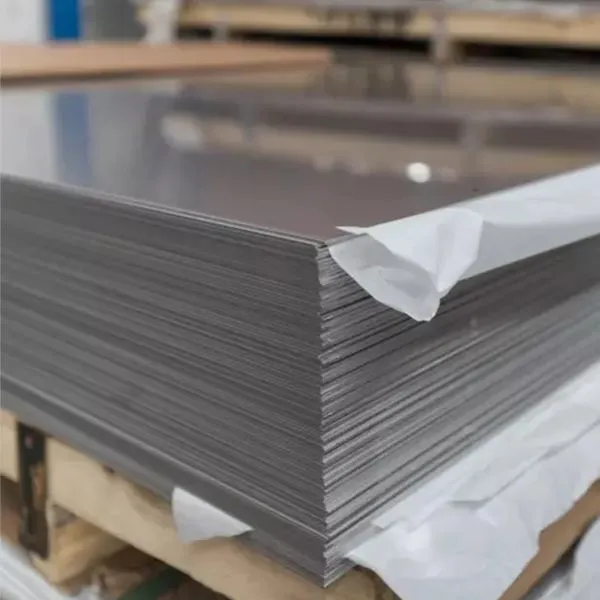

- Concentration and Temperature: The concentration and temperature of the acid have a significant impact on the corrosion rate of Monel 400. In general, the corrosion rate increases with increasing acid concentration and temperature. At higher concentrations and temperatures, the protective oxide film on the surface of the alloy may break down, leading to increased corrosion.
- Presence of Oxidizing Agents: The presence of oxidizing agents, such as nitric acid, ferric chloride (FeCl₃), and hydrogen peroxide (H₂O₂), can significantly reduce the corrosion resistance of Monel 400. Oxidizing agents can react with the protective oxide film on the surface of the alloy, breaking it down and exposing the underlying metal to corrosion.
- Surface Condition: The surface condition of the alloy also plays an important role in its corrosion resistance. A smooth and clean surface provides better protection against corrosion than a rough or contaminated surface. Surface defects, such as scratches and pits, can act as sites for corrosion initiation, leading to increased corrosion rates.
Advantages of Monel 400 Plates in Acidic Environments
Compared to other materials, Monel 400 plates offer several advantages in acidic environments.
- Excellent Corrosion Resistance: As mentioned earlier, Monel 400 plates have excellent corrosion resistance in a wide range of acidic environments, including non-oxidizing acids such as hydrochloric, sulfuric, and hydrofluoric acids. This makes them suitable for use in applications where corrosion resistance is critical.
- High Strength and Toughness: Monel 400 plates have high strength and toughness, making them suitable for use in applications where mechanical properties are important. The alloy can withstand high pressures and stresses without deformation or failure.
- Good Weldability and Fabricability: Monel 400 plates are easily weldable and fabricable, allowing for the production of complex components and structures. The alloy can be welded using conventional welding methods, such as gas tungsten arc welding (GTAW) and shielded metal arc welding (SMAW).
- Long Service Life: Due to their excellent corrosion resistance and mechanical properties, Monel 400 plates have a long service life in acidic environments. This reduces the need for frequent replacement and maintenance, resulting in cost savings over the long term.
Applications of Monel 400 Plates in Acidic Environments
Monel 400 plates are widely used in various industries where corrosion resistance in acidic environments is required. Some of the common applications include:
- Chemical Processing: Monel 400 plates are used in the chemical processing industry for the construction of equipment such as reactors, tanks, and piping systems. The alloy's excellent corrosion resistance makes it suitable for use in the handling of corrosive chemicals, such as acids, alkalis, and salts.
- Marine Industry: In the marine industry, Monel 400 plates are used for the construction of seawater handling systems, such as desalination plants, offshore platforms, and shipbuilding. The alloy's resistance to corrosion in seawater and other marine environments makes it an ideal choice for these applications.
- Oil and Gas Industry: Monel 400 plates are used in the oil and gas industry for the construction of equipment such as pipelines, valves, and pumps. The alloy's resistance to corrosion in sour gas environments and other corrosive media makes it suitable for use in these applications.
- Food and Beverage Industry: In the food and beverage industry, Monel 400 plates are used for the construction of equipment such as tanks, piping systems, and processing equipment. The alloy's corrosion resistance and non-toxicity make it suitable for use in contact with food and beverages.
Comparison with Other Alloys
When considering the use of Monel 400 plates in acidic environments, it is important to compare them with other alloys. Some of the other alloys commonly used in acidic environments include Incoloy 825 Fastener, Inconel 625 Sheet, and Inconel 600 Sheet.
- Incoloy 825: Incoloy 825 is a nickel-iron-chromium alloy with excellent corrosion resistance in a wide range of environments, including acidic environments. The alloy is particularly resistant to corrosion in sulfuric acid, phosphoric acid, and nitric acid. However, in hydrochloric acid and hydrofluoric acid, the corrosion resistance of Incoloy 825 is lower than that of Monel 400.
- Inconel 625: Inconel 625 is a nickel-chromium-molybdenum alloy with excellent corrosion resistance in a wide range of environments, including acidic environments. The alloy is particularly resistant to corrosion in oxidizing acids, such as nitric acid and sulfuric acid. However, in non-oxidizing acids, such as hydrochloric acid and hydrofluoric acid, the corrosion resistance of Inconel 625 is lower than that of Monel 400.
- Inconel 600: Inconel 600 is a nickel-chromium alloy with good corrosion resistance in a wide range of environments, including acidic environments. The alloy is particularly resistant to corrosion in oxidizing acids, such as nitric acid and sulfuric acid. However, in non-oxidizing acids, such as hydrochloric acid and hydrofluoric acid, the corrosion resistance of Inconel 600 is lower than that of Monel 400.
Conclusion
In conclusion, Monel 400 plates offer excellent corrosion resistance in acidic environments, making them a popular choice in various industries. The alloy's unique composition and properties provide long-term protection against corrosion in a wide range of acids, including non-oxidizing acids such as hydrochloric, sulfuric, and hydrofluoric acids. When considering the use of Monel 400 plates in acidic environments, it is important to consider the factors that can affect its corrosion resistance, such as the concentration and temperature of the acid, the presence of oxidizing agents, and the surface condition of the alloy.
If you are looking for a reliable supplier of Monel 400 plates for your acidic environment applications, please feel free to contact us. We have a wide range of Monel 400 plates in different sizes and thicknesses, and we can provide you with high-quality products and excellent customer service. Let's discuss your specific requirements and find the best solution for your project.
References
- ASM Handbook, Volume 13A: Corrosion: Fundamentals, Testing, and Protection. ASM International.
- Metals Handbook Desk Edition, Third Edition. ASM International.
- Corrosion Resistance Tables, Fourth Edition. Marcel Dekker, Inc.