

Hey there! As a supplier of Inconel 625 sheets, I often get asked about the cold-forming process for these amazing materials. So, I thought I'd share some insights and experiences on this topic.
First off, let's talk a bit about Inconel 625. It's a super cool nickel-chromium-molybdenum alloy. It's got some seriously impressive properties, like high strength, excellent corrosion resistance, and great toughness. That's why it's used in so many industries, from aerospace to chemical processing.
Now, onto the cold-forming process. Cold forming is basically shaping the Inconel 625 sheet at room temperature. It's different from hot forming, which involves heating the material. One of the big advantages of cold forming is that it can improve the mechanical properties of the sheet. When you cold work the metal, you're actually making it stronger.
There are a few different techniques in cold forming. One common one is bending. You can use a press brake to bend the Inconel 625 sheet into various angles. It's important to have the right tools and dies for this. The dies need to be made of a hard material to withstand the pressure and prevent damage to the sheet.
Another technique is deep drawing. This is used to make parts with a cup-like shape. You place the sheet over a die and use a punch to force the sheet into the die cavity. The Inconel 625 has good ductility, which means it can be drawn into complex shapes without cracking. But you still need to control the process carefully to avoid issues like wrinkling or tearing.
Roll forming is also a popular cold-forming method. In roll forming, the sheet passes through a series of rollers that gradually shape it into the desired profile. This is great for making long, continuous shapes like channels or tubes.
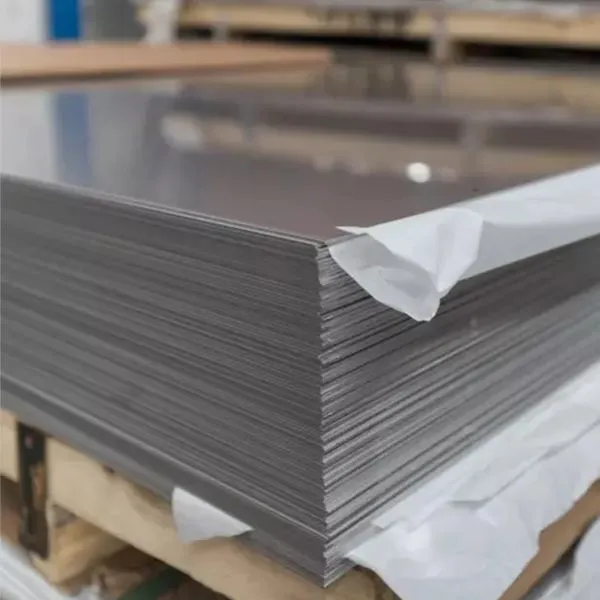

Now, let's talk about some of the challenges we face when cold forming Inconel 625 sheets. One of the main issues is the high strength of the material. Because it's so strong, it requires more force to shape compared to some other metals. This means you need more powerful equipment, and there's a greater risk of tool wear.
Another challenge is the potential for work hardening. As you cold work the Inconel 625, it gets harder and more brittle. If you're not careful, this can lead to cracking during the forming process. To deal with this, you might need to do some intermediate annealing steps. Annealing is a heat treatment process that softens the metal and relieves the internal stresses caused by cold working.
When it comes to lubrication, it's crucial in cold forming Inconel 625 sheets. A good lubricant reduces friction between the sheet and the tools, which helps to prevent scratching and galling. It also makes the forming process smoother and more efficient. There are different types of lubricants available, and you need to choose the right one based on the specific forming operation.
Now, I want to mention some related products. If you're interested in other Inconel alloys, we also supply Inconel 600 Bar and Inconel 600 Sheet. These materials have their own unique properties and applications. And if you're in need of fasteners, our Incoloy 825 Fastener is a great option.
In conclusion, the cold-forming process for Inconel 625 sheets is a complex but rewarding process. It allows us to create high-quality, customized parts for our customers. But it requires careful planning, the right equipment, and proper techniques. If you're in the market for Inconel 625 sheets or have any questions about the cold-forming process, don't hesitate to reach out. We're here to help you find the best solutions for your projects. Whether you're a small business or a large corporation, we can work with you to meet your specific needs. So, if you're interested in purchasing Inconel 625 sheets or discussing your requirements, just get in touch with us. We're looking forward to working with you!
References
- ASM Handbook, Volume 6: Welding, Brazing, and Soldering
- Metals Handbook Desk Edition, Third Edition