

As a seasoned supplier of Inconel 718 plates, I understand the critical importance of comprehensive inspection in ensuring the quality and performance of these high - end alloy products. Inconel 718 is a nickel - chromium - molybdenum alloy known for its excellent mechanical properties, corrosion resistance, and high - temperature stability, making it a popular choice in aerospace, nuclear, and chemical industries. In this blog, I will elaborate on the key inspection items for Inconel 718 plates.
1. Chemical Composition Analysis
The chemical composition of Inconel 718 is the foundation of its performance. A precise analysis of the elements in the plate is essential. The main elements in Inconel 718 include nickel (Ni), chromium (Cr), iron (Fe), niobium (Nb), molybdenum (Mo), titanium (Ti), and aluminum (Al).
- Nickel (Ni): It provides the basic corrosion resistance and high - temperature stability of the alloy. The typical content of Ni in Inconel 718 is around 50 - 55%. Deviations from this range can significantly affect the material's performance.
- Chromium (Cr): Chromium enhances the oxidation resistance of the alloy. It forms a passive oxide layer on the surface, protecting the material from further corrosion. The Cr content is usually about 17 - 21%.
- Iron (Fe): As a major component, iron helps to balance the cost and mechanical properties of the alloy. It is present in a relatively high proportion, typically around 15 - 20%.
- Niobium (Nb) and Molybdenum (Mo): These elements contribute to the strength and hardness of the alloy through precipitation hardening. Nb content is about 4.75 - 5.50%, and Mo is around 2.8 - 3.3%.
- Titanium (Ti) and Aluminum (Al): They also play a crucial role in precipitation hardening, which improves the high - temperature strength and creep resistance of the alloy. Ti content is about 0.65 - 1.15%, and Al is around 0.20 - 0.80%.
We use advanced spectroscopic analysis methods, such as optical emission spectrometry (OES) or X - ray fluorescence (XRF), to accurately determine the chemical composition of Inconel 718 plates. This ensures that the plates meet the strict industry standards and customer requirements.

2. Mechanical Property Testing
Mechanical properties are vital for the application of Inconel 718 plates in various engineering fields. The following mechanical tests are commonly conducted:
- Tensile Testing: This test measures the strength and ductility of the plate. We use a tensile testing machine to apply a gradually increasing load until the specimen breaks. The key parameters obtained from the test include the yield strength, ultimate tensile strength, and elongation. For Inconel 718, the minimum yield strength is usually around 860 MPa, and the ultimate tensile strength is about 1240 MPa.
- Hardness Testing: Hardness is an important indicator of the material's resistance to deformation and wear. We use methods such as Rockwell hardness testing or Brinell hardness testing. The hardness of Inconel 718 plates is typically in the range of 32 - 40 HRC (Rockwell hardness C scale).
- Impact Testing: Impact testing evaluates the material's ability to withstand sudden impact loads. The Charpy V - notch test is commonly used. It measures the energy absorbed by the specimen when it is fractured by a swinging pendulum. Adequate impact toughness is crucial for applications where the plate may be subjected to dynamic loads.
3. Microstructure Examination
The microstructure of Inconel 718 plates has a significant impact on their mechanical properties and corrosion resistance. We use optical microscopy and electron microscopy techniques to examine the microstructure.
- Grain Size: The grain size affects the strength, ductility, and fatigue resistance of the material. A fine - grained microstructure generally provides better mechanical properties. We measure the grain size according to the ASTM E112 standard.
- Phase Analysis: Inconel 718 has a complex microstructure consisting of different phases, such as the gamma matrix, gamma - prime phase, and delta phase. The presence and distribution of these phases can affect the material's performance. For example, the gamma - prime phase is responsible for the precipitation hardening effect, while an excessive amount of delta phase may reduce the ductility of the material.
4. Surface Quality Inspection
The surface quality of Inconel 718 plates is also an important aspect of inspection.
- Visual Inspection: We visually examine the surface of the plates for any visible defects, such as cracks, scratches, pits, or inclusions. These defects can not only affect the appearance of the plate but also reduce its corrosion resistance and mechanical properties.
- Surface Roughness Measurement: The surface roughness of the plate can affect its friction coefficient and the quality of subsequent processing, such as welding or machining. We use surface roughness measuring instruments to ensure that the surface roughness meets the specified requirements.
5. Ultrasonic Testing and Eddy Current Testing
Non - destructive testing methods are used to detect internal defects in Inconel 718 plates.
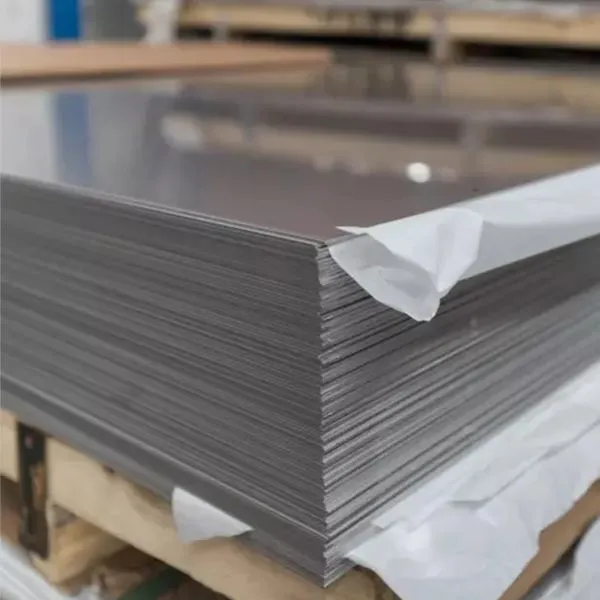
- Ultrasonic Testing (UT): Ultrasonic waves are transmitted into the plate, and any internal defects, such as cracks or voids, will reflect the waves. By analyzing the reflected signals, we can determine the location, size, and nature of the defects.
- Eddy Current Testing (ECT): This method is mainly used to detect surface and near - surface defects. It uses an alternating magnetic field to generate eddy currents in the material. Any changes in the eddy currents caused by defects can be detected and analyzed.
6. Corrosion Resistance Testing
Since Inconel 718 plates are often used in corrosive environments, corrosion resistance testing is essential.
- Salt Spray Testing: In this test, the plates are exposed to a salt - spray environment for a certain period. The appearance of corrosion products on the surface is observed, and the corrosion rate is measured. This test can simulate the corrosion conditions in marine environments.
- Immersion Testing: The plates are immersed in a specific corrosive solution, such as sulfuric acid or hydrochloric acid, for a certain time. The weight loss and surface changes of the plates are measured to evaluate their corrosion resistance.
In addition to these main inspection items, we also provide customized inspection services according to the specific requirements of our customers. As a reliable supplier of Inconel 718 plates, we are committed to providing high - quality products that meet the strictest industry standards.
If you are interested in our Incoloy 825 Fastener, Inconel 600 Sheet, or Inconel 625 Sheet, or have any needs for Inconel 718 plates, please feel free to contact us for procurement and negotiation. We look forward to establishing long - term and mutually beneficial cooperation with you.
References
- ASM Handbook, Volume 2: Properties and Selection: Nonferrous Alloys and Special - Purpose Materials.
- ASTM International Standards related to Inconel 718 alloy, such as ASTM B670, ASTM A370.