

As a supplier of S32550 stainless steel, I understand the importance of proper storage for maintaining the quality and integrity of this remarkable material. S32550 stainless steel, a duplex stainless steel known for its excellent corrosion resistance, high strength, and good weldability, is widely used in various industries such as chemical processing, oil and gas, and marine applications. In this blog post, I will share some essential guidelines on how to store S32550 stainless steel to ensure its long - term performance.
Understanding the Characteristics of S32550 Stainless Steel
Before delving into storage methods, it's crucial to understand the key characteristics of S32550 stainless steel. This duplex alloy combines a ferritic and austenitic microstructure, which gives it a unique set of properties. It has a high resistance to stress - corrosion cracking, pitting, and crevice corrosion, making it suitable for harsh environments. However, improper storage can still lead to surface contamination, oxidation, or damage, which may compromise its performance.
Selecting the Right Storage Location
The first step in storing S32550 stainless steel is choosing an appropriate location. The storage area should be dry, well - ventilated, and protected from the elements. Moisture is one of the biggest enemies of stainless steel as it can cause rust and corrosion. Therefore, avoid storing S32550 stainless steel in areas prone to flooding, high humidity, or direct exposure to rain and snow.
An indoor storage facility is ideal. Warehouses with climate - control systems can help maintain a stable environment. The temperature should be kept within a reasonable range, typically between 10°C and 30°C (50°F and 86°F). Extreme temperatures can cause thermal expansion and contraction, which may lead to mechanical stress and potential damage to the material.
Protection from Contamination
Contamination can significantly affect the performance of S32550 stainless steel. Avoid storing the material near sources of contaminants such as chemicals, solvents, or other metals that may cause galvanic corrosion. Galvanic corrosion occurs when two different metals are in contact in the presence of an electrolyte (such as moisture), and it can lead to rapid deterioration of the stainless steel.
When handling S32550 stainless steel, use clean tools and equipment. Gloves should be worn to prevent fingerprints and skin oils from coming into contact with the surface, as these can also cause corrosion over time. If possible, store the stainless steel on clean, non - reactive pallets or racks to avoid contact with the floor, which may be dirty or contaminated.
Storage of Different Forms of S32550 Stainless Steel
S32550 stainless steel is available in various forms, including sheets, plates, bars, and pipes. Each form requires specific storage considerations.
Sheets and Plates
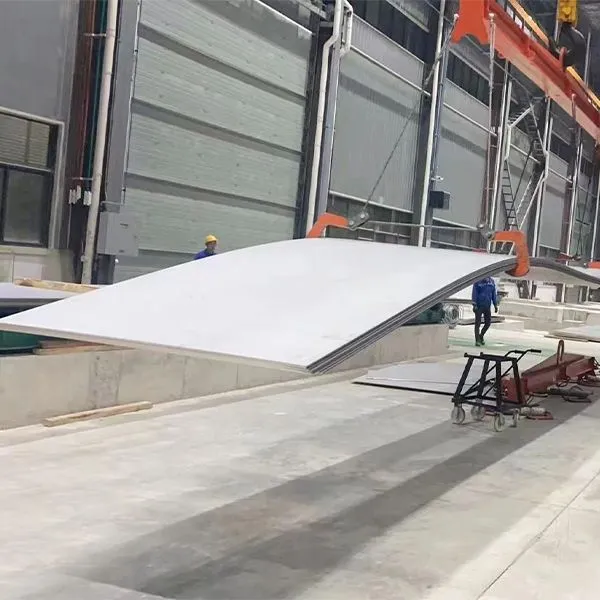
2205 Stainless Steel Plate and 2205 Stainless Steel Sheet should be stored flat to prevent warping. They can be stacked, but it's important to use separators between each layer to prevent scratching and abrasion. Cardboard or plastic sheets can be used as separators. The stack should be stable and not over - loaded to avoid deformation.
Bars and Rods
Bars and rods of S32550 stainless steel can be stored horizontally on racks. Make sure the racks are strong enough to support the weight of the bars without bending or collapsing. The bars should be arranged in an orderly manner to prevent them from rolling or falling, which could cause damage. If the bars are long, they may need additional support at regular intervals to prevent sagging.
Pipes
Pipes should be stored in a way that prevents deformation and damage to the ends. They can be stored horizontally on racks or in a vertical position. When stored vertically, the pipes should be supported at the bottom to prevent them from tipping over. It's also a good idea to cover the open ends of the pipes with caps or plugs to prevent debris from entering.

Surface Protection
Applying a protective coating to the surface of S32550 stainless steel can provide an extra layer of protection during storage. There are various types of protective coatings available, such as plastic films, waxes, and oils. Plastic films are commonly used for sheet and plate products as they can be easily applied and removed. Waxes and oils can provide corrosion protection and are suitable for bars, rods, and pipes.
However, it's important to choose a coating that is compatible with S32550 stainless steel. Some coatings may contain chemicals that can react with the stainless steel and cause discoloration or other issues. Before applying any coating, it's recommended to test it on a small area of the material to ensure compatibility.
Regular Inspection
Regular inspection of the stored S32550 stainless steel is essential to detect any signs of damage or corrosion early. Inspect the surface for scratches, dents, rust spots, or any other visible defects. Check the storage conditions, such as the temperature and humidity, to ensure they are within the recommended range.
If any issues are detected, take immediate action to address them. For example, if a small area of rust is found, it can be removed using a mild abrasive and a stainless - steel cleaner. If the damage is more severe, consult with a professional to determine the best course of action.
Comparison with Other Duplex Stainless Steels
S32550 stainless steel is often compared with other duplex stainless steels such as S32760 Stainless Steel. While they share some similarities in terms of their duplex microstructure and corrosion resistance, there are also differences in their chemical composition and performance.
S32760 stainless steel generally has a higher alloy content, which gives it better corrosion resistance in extremely aggressive environments. However, this also means that it may be more sensitive to storage conditions. For example, it may require more stringent protection from contaminants and a more controlled storage environment compared to S32550 stainless steel.
Conclusion
Proper storage of S32550 stainless steel is crucial for maintaining its quality and performance. By choosing the right storage location, protecting it from contamination, using appropriate storage methods for different forms, applying surface protection, and conducting regular inspections, you can ensure that your S32550 stainless steel remains in excellent condition.
If you are in the market for high - quality S32550 stainless steel or have any questions about its storage or application, please feel free to contact us. We are here to provide you with the best products and professional advice. Let's start a fruitful cooperation!
References
- ASM Handbook, Volume 13A: Corrosion: Fundamentals, Testing, and Protection
- Duplex Stainless Steels: Properties, Processing, and Applications by J.K. Solberg