

In the world of piping systems, tees are crucial components used to connect three pipes at a 90-degree angle, allowing for the distribution or redirection of fluid flow. When it comes to selecting the right tee for your project, one of the key considerations is cost. A common question that arises is whether a stainless steel tee is more expensive than other types of tees. As a stainless steel tee supplier, I am here to shed light on this topic and provide you with the information you need to make an informed decision.
Understanding the Different Types of Tees
Before delving into the cost comparison, it's important to understand the various types of tees available in the market. The most common materials used for tees include carbon steel, brass, copper, and stainless steel. Each material has its own unique properties, advantages, and disadvantages, which can significantly impact its cost.

- Carbon Steel Tees: Carbon steel is a widely used material in the piping industry due to its strength, durability, and relatively low cost. Carbon steel tees are suitable for a variety of applications, including water, oil, and gas systems. However, they are prone to corrosion, especially in harsh environments, which can reduce their lifespan and increase maintenance costs.
- Brass Tees: Brass is an alloy of copper and zinc, known for its excellent corrosion resistance, malleability, and aesthetic appeal. Brass tees are commonly used in plumbing applications, such as water supply systems and heating systems. They are relatively inexpensive compared to stainless steel tees but may not be suitable for high-pressure or high-temperature applications.
- Copper Tees: Copper is a highly conductive and corrosion-resistant material, making it ideal for plumbing and electrical applications. Copper tees are commonly used in water supply systems, refrigeration systems, and HVAC systems. They are more expensive than carbon steel and brass tees but offer superior performance and longevity.
- Stainless Steel Tees: Stainless steel is an alloy of iron, chromium, and other elements, known for its excellent corrosion resistance, strength, and durability. Stainless steel tees are suitable for a wide range of applications, including chemical processing, food and beverage, pharmaceutical, and marine industries. They are more expensive than carbon steel, brass, and copper tees but offer superior performance and longevity, especially in harsh environments.
Factors Affecting the Cost of Stainless Steel Tees
The cost of a stainless steel tee is influenced by several factors, including the following:
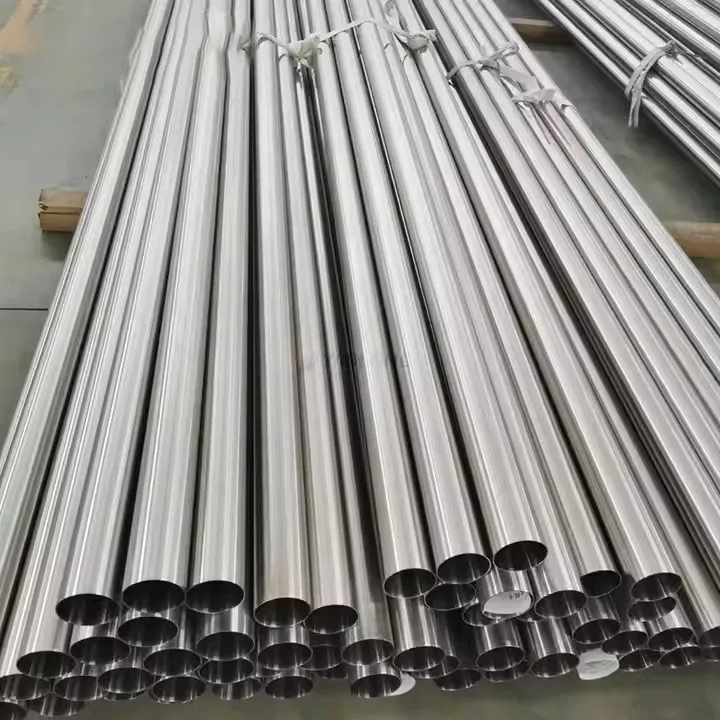
- Material Grade: Stainless steel is available in a variety of grades, each with its own unique properties and composition. The most common grades of stainless steel used for tees include 304, 304L, 316, and 316L. Higher-grade stainless steel tees are more expensive than lower-grade tees due to their superior corrosion resistance, strength, and durability. For example, 304 Round Stainless Steel Pipe /Tube is a popular choice for general-purpose applications, while 304L Stainless Steel Pipe/tube is suitable for applications where low carbon content is required to prevent sensitization and intergranular corrosion.
- Size and Dimensions: The size and dimensions of a stainless steel tee can also affect its cost. Larger tees require more material and are more complex to manufacture, which can increase their cost. Additionally, tees with non-standard sizes or dimensions may require custom fabrication, which can further increase their cost.
- Manufacturing Process: The manufacturing process used to produce a stainless steel tee can also impact its cost. There are several manufacturing processes available, including casting, forging, and machining. Casting is the most common method for producing stainless steel tees, as it is relatively inexpensive and can produce complex shapes. However, cast tees may have some porosity and may not be as strong as forged or machined tees. Forging and machining are more expensive methods but produce tees with superior strength and quality.
- Quantity: The quantity of stainless steel tees you order can also affect their cost. Generally, the more tees you order, the lower the unit cost. This is because suppliers can offer volume discounts to customers who purchase large quantities of tees.
Cost Comparison: Stainless Steel Tees vs. Other Types of Tees
Now that we have a better understanding of the factors affecting the cost of stainless steel tees, let's compare their cost to other types of tees.
- Carbon Steel Tees: Carbon steel tees are the least expensive type of tees available in the market. They are typically priced at around $5 to $20 per tee, depending on the size and dimensions. However, carbon steel tees are prone to corrosion, which can reduce their lifespan and increase maintenance costs. In the long run, the cost of using carbon steel tees may be higher than using stainless steel tees.
- Brass Tees: Brass tees are slightly more expensive than carbon steel tees, with prices ranging from $10 to $30 per tee. They offer better corrosion resistance than carbon steel tees but may not be suitable for high-pressure or high-temperature applications.
- Copper Tees: Copper tees are more expensive than carbon steel and brass tees, with prices ranging from $20 to $50 per tee. They offer superior corrosion resistance and conductivity but are also more expensive to manufacture.
- Stainless Steel Tees: Stainless steel tees are the most expensive type of tees available in the market. They are typically priced at around $30 to $100 per tee, depending on the size, dimensions, material grade, and manufacturing process. However, stainless steel tees offer superior corrosion resistance, strength, and durability, which can reduce maintenance costs and increase the lifespan of your piping system.
Is a Stainless Steel Tee Worth the Investment?
While stainless steel tees are more expensive than other types of tees, they offer several advantages that make them a worthwhile investment.
- Corrosion Resistance: Stainless steel is highly resistant to corrosion, making it ideal for use in harsh environments. This can reduce maintenance costs and increase the lifespan of your piping system.
- Strength and Durability: Stainless steel is a strong and durable material that can withstand high pressure and temperature. This makes it suitable for a wide range of applications, including chemical processing, food and beverage, pharmaceutical, and marine industries.
- Hygiene and Cleanliness: Stainless steel is a non-porous material that is easy to clean and sanitize. This makes it ideal for use in applications where hygiene is a concern, such as food and beverage and pharmaceutical industries.
- Aesthetic Appeal: Stainless steel has a sleek and modern appearance that can enhance the aesthetic appeal of your piping system. This makes it a popular choice for architectural and decorative applications.
Conclusion
In conclusion, a stainless steel tee is more expensive than other types of tees, but it offers superior performance, durability, and corrosion resistance, which can reduce maintenance costs and increase the lifespan of your piping system. When selecting a tee for your project, it's important to consider the specific requirements of your application, including the operating conditions, fluid type, and budget. If you need a tee that can withstand harsh environments and provide long-term performance, a stainless steel tee is the best choice.
As a stainless steel tee supplier, we offer a wide range of high-quality stainless steel tees at competitive prices. Our tees are available in various sizes, dimensions, and material grades to meet the specific requirements of your project. Whether you need a standard tee or a custom-fabricated tee, we can provide you with the solution you need.
If you are interested in purchasing stainless steel tees or have any questions about our products, please feel free to contact us. We would be happy to assist you with your project and provide you with a free quote.
References
- ASME B16.9 - Factory-Made Wrought Steel Buttwelding Fittings
- ASTM A403 - Standard Specification for Wrought Austenitic Stainless Steel Piping Fittings
- ASTM A351 - Standard Specification for Castings, Austenitic, for Pressure-Containing Parts