

Hey there! As a supplier of stainless steel joints, I've seen firsthand how important it is to recycle these materials. Not only does it help the environment, but it also makes good business sense. In this blog post, I'm going to share some tips on how to recycle stainless steel joints effectively.
Why Recycle Stainless Steel Joints?
First off, let's talk about why recycling stainless steel joints is a big deal. Stainless steel is a valuable material that contains a mix of metals like chromium, nickel, and iron. These metals are not only expensive to mine and refine but also have a significant environmental impact. By recycling stainless steel joints, we can reduce the need for new mining and lower energy consumption.
Recycling also helps in reducing waste sent to landfills. Stainless steel doesn't break down easily, so if we don't recycle it, it'll just sit in landfills for ages. And let's not forget about the economic benefits. Recycling stainless steel joints can save costs for manufacturers and suppliers, which can then be passed on to the consumers.
Step 1: Collection
The first step in recycling stainless steel joints is collecting them. As a supplier, I often have customers who return old or unused joints. You can also set up collection points at your business or partner with local industries that use stainless steel joints. Encourage people to bring in their old joints by offering incentives like discounts on new purchases or small gifts.
Another option is to work with waste management companies. They can help you collect stainless steel joints from various sources, including construction sites, factories, and even households. Make sure to separate the stainless steel joints from other types of waste during collection to make the recycling process easier.
Step 2: Sorting
Once you've collected the stainless steel joints, the next step is sorting. Stainless steel comes in different grades, and each grade has a different composition. Sorting the joints by grade is crucial because it allows for more efficient recycling.
You can use a magnet to do a quick initial sorting. Some stainless steel grades are magnetic, while others are not. However, this method is not always accurate, so it's best to use more advanced testing methods like X-ray fluorescence (XRF) analysis. This technology can accurately determine the composition of the stainless steel and help you sort the joints into different grades.
Step 3: Cleaning
After sorting, the stainless steel joints need to be cleaned. They may have dirt, grease, paint, or other contaminants on them, which can affect the recycling process. Cleaning can be done using various methods, depending on the type and level of contamination.
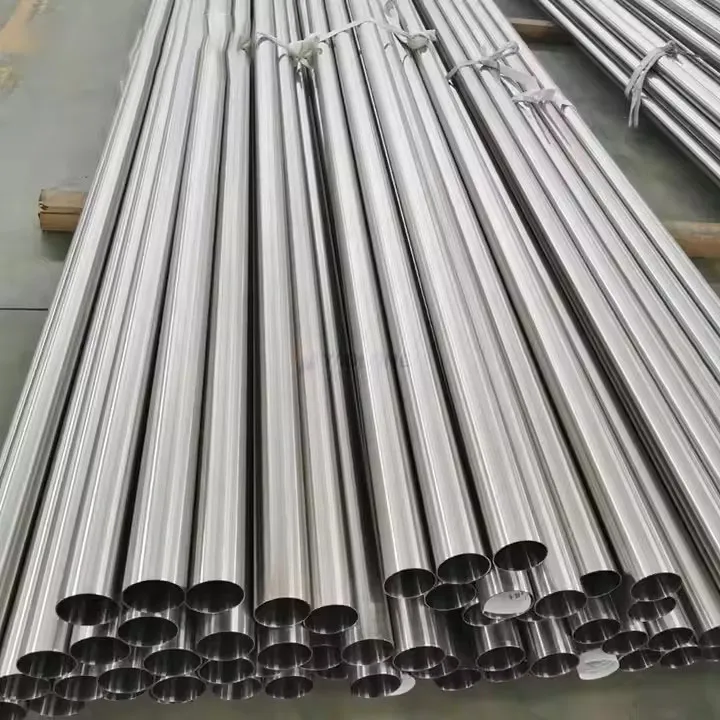

For light dirt and grease, you can use a simple detergent and water solution. Scrub the joints with a brush to remove the dirt. If there's paint or other stubborn contaminants, you may need to use chemical cleaners or abrasive blasting. Just make sure to follow all safety precautions when using these methods.
Step 4: Melting
Once the joints are clean, they are ready to be melted. Melting is the core of the recycling process. The sorted and cleaned stainless steel joints are placed in a furnace and heated to a high temperature until they turn into liquid.
The melting process needs to be carefully controlled to ensure that the desired composition of the stainless steel is maintained. Different grades of stainless steel have different melting points and require different heating times and temperatures. During melting, any impurities in the stainless steel are removed, and the molten metal is ready to be formed into new products.
Step 5: Reforming
After melting, the molten stainless steel is reformed into new products. This can involve casting the metal into various shapes, such as bars, sheets, or pipes. For example, you can check out Stainless Steel Pipe Casting to see how the molten stainless steel can be turned into pipes.
The reformed stainless steel can then be used to make new stainless steel joints or other stainless steel products. This closes the loop in the recycling process, turning old joints into new, usable items.
Tips for Efficient Recycling
-
Build Relationships: Build good relationships with recycling facilities. They can provide you with valuable advice on the recycling process and may even offer better prices for your recycled stainless steel joints.
-
Stay Informed: Keep up-to-date with the latest recycling technologies and regulations. New methods are constantly being developed to make the recycling process more efficient and environmentally friendly.
-
Educate Your Customers: Let your customers know about the importance of recycling stainless steel joints. You can include information about recycling on your product packaging or website. This not only helps the environment but also shows your commitment to sustainability, which can attract more customers.
Where to Find Recycled Stainless Steel Products
If you're interested in using recycled stainless steel products, there are many options available. You can find a variety of recycled stainless steel fittings at Stainless Steel Fittings Bunnings. They offer a wide range of high-quality products made from recycled stainless steel.
Another option is 304 Round Stainless Steel Pipe /Tube. These pipes are made from recycled stainless steel and are suitable for many applications, including construction and plumbing.
Conclusion
Recycling stainless steel joints is a win-win situation. It's good for the environment, saves resources, and can also be profitable for businesses. By following the steps outlined in this blog post, you can effectively recycle stainless steel joints and contribute to a more sustainable future.
If you're in the market for high-quality stainless steel joints or have old joints to recycle, I'd love to talk to you. Whether you're a contractor, a DIY enthusiast, or an industry professional, I can provide you with the best solutions for your stainless steel needs. Let's work together to make the most of this valuable material!
References
- American Iron and Steel Institute. (2023). The Benefits of Recycling Steel.
- International Stainless Steel Forum. (2023). Stainless Steel Recycling.