

Alloy C276, also known as Hastelloy C276, is a nickel - molybdenum - chromium superalloy with excellent corrosion resistance in a wide range of aggressive environments. As a reliable supplier of Alloy C276, I understand the importance of proper heat - treating processes to optimize its performance. In this blog, I'll share detailed information on how to heat - treat Alloy C276.
Understanding Alloy C276
Before delving into the heat - treating process, it's essential to understand the properties of Alloy C276. This alloy is well - known for its high resistance to pitting, crevice corrosion, and stress - corrosion cracking. It contains approximately 57% nickel, 16% chromium, and 16% molybdenum, along with small amounts of tungsten, iron, and other elements. These elements contribute to its outstanding corrosion - resistant properties in both oxidizing and reducing environments, making it suitable for applications in chemical processing, pollution control, and offshore oil and gas industries.
Heat - Treating Objectives
The primary objectives of heat - treating Alloy C276 are to:
- Relieve Stress: During the manufacturing process, such as forming or welding, internal stresses can develop in the alloy. Heat treatment helps to relieve these stresses, reducing the risk of stress - corrosion cracking and improving the dimensional stability of the material.
- Improve Ductility: Heat treatment can enhance the ductility of Alloy C276, making it easier to form and machine. This is particularly important for components that require complex shapes or tight tolerances.
- Optimize Corrosion Resistance: Proper heat treatment can refine the microstructure of the alloy, which in turn can improve its corrosion resistance. By controlling the precipitation of secondary phases, the alloy can maintain its excellent performance in corrosive environments.
Heat - Treating Process
Solution Annealing
Solution annealing is the most common heat - treating process for Alloy C276. The steps involved are as follows:
- Heating: Heat the Alloy C276 component to a temperature range of 1900°F - 2100°F (1038°C - 1149°C). The exact temperature depends on the specific application and the thickness of the material. It's important to heat the component slowly and uniformly to avoid thermal shock.
- Soaking: Once the desired temperature is reached, hold the component at that temperature for a sufficient time to allow all the alloying elements to go into solution. The soaking time typically ranges from 10 to 60 minutes, depending on the thickness of the material. Thicker components may require longer soaking times.
- Quenching: After soaking, rapidly quench the component in water or a suitable quenching medium. Quenching helps to lock in the dissolved alloying elements in the solid solution, preventing the precipitation of secondary phases during cooling.
Stress Relieving
Stress relieving is often performed after welding or cold - working operations. The process involves:
- Heating: Heat the component to a temperature between 1100°F - 1200°F (593°C - 649°C). This temperature is lower than the solution annealing temperature to avoid any significant changes in the microstructure of the alloy.
- Soaking: Hold the component at the stress - relieving temperature for a period of 1 - 4 hours, depending on the thickness of the material. The longer soaking time allows the internal stresses to relax gradually.
- Cooling: Cool the component slowly in air or a furnace to room temperature. Slow cooling helps to prevent the development of new internal stresses.
Factors Affecting Heat - Treatment
Several factors can affect the heat - treatment process of Alloy C276:
- Component Geometry: The shape and size of the component can influence the heating and cooling rates. Complex geometries may require special fixtures or heating methods to ensure uniform temperature distribution.
- Alloy Composition: Minor variations in the alloy composition can affect the heat - treatment response. It's important to ensure that the alloy meets the specified composition requirements before heat treatment.
- Previous Processing: The history of the component, such as prior cold - working or welding, can impact the heat - treatment process. For example, heavily cold - worked components may require a different heat - treatment schedule to achieve the desired properties.
Quality Control
To ensure the effectiveness of the heat - treatment process, it's crucial to implement quality control measures:
- Temperature Monitoring: Use calibrated thermocouples to monitor the temperature during heating, soaking, and cooling. This helps to ensure that the component is heated and cooled within the specified temperature ranges.
- Microstructural Analysis: Perform microstructural analysis on samples taken from the heat - treated components. This can help to verify that the desired microstructure has been achieved and that there are no abnormal phases present.
- Mechanical Testing: Conduct mechanical tests, such as tensile testing and hardness testing, to evaluate the mechanical properties of the heat - treated components. These tests can confirm that the heat treatment has improved the ductility and strength of the alloy as expected.
Comparison with Other Alloys
When considering heat - treating processes, it's interesting to compare Alloy C276 with other similar alloys. For example, Inconel 600 Bar and Inconel 600 Sheet are also nickel - based alloys. Inconel 600 has good oxidation resistance and high - temperature strength, but its corrosion resistance in some aggressive environments may not be as good as Alloy C276. The heat - treating processes for Inconel 600 are different from those of Alloy C276, with Inconel 600 often requiring higher solution - annealing temperatures.
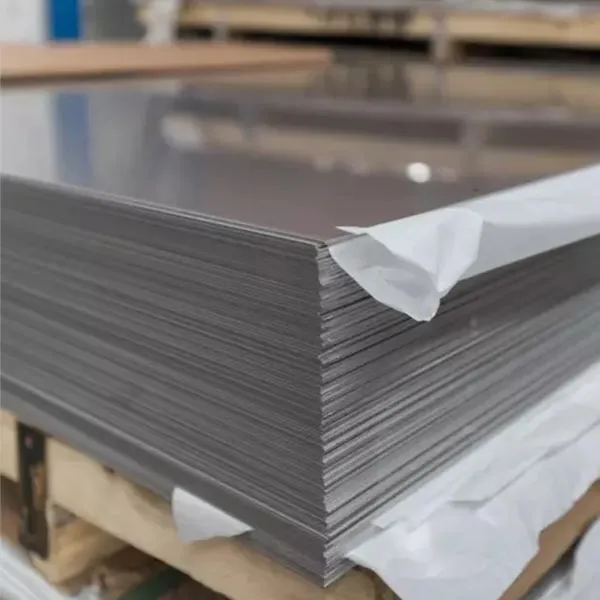

Another alloy to compare with is Incoloy 825 Fastener. Incoloy 825 is a nickel - iron - chromium - molybdenum alloy with excellent resistance to both reducing and oxidizing acids. However, its heat - treatment requirements are tailored to its specific alloy composition and intended applications, which may differ from those of Alloy C276.
Conclusion
Proper heat - treating of Alloy C276 is crucial for achieving its optimal performance in various applications. As a supplier of Alloy C276, I'm committed to providing high - quality materials and sharing my expertise on heat - treating processes. Whether you're involved in chemical processing, oil and gas, or other industries that require corrosion - resistant materials, understanding how to heat - treat Alloy C276 can help you get the most out of this exceptional alloy.
If you're interested in purchasing Alloy C276 or have any questions about its heat - treatment or other properties, please don't hesitate to contact me for further discussion and negotiation. I'm here to assist you in finding the best solutions for your specific needs.
References
- ASM Handbook Volume 4: Heat Treating.
- "Corrosion Resistance of Nickel and High - Nickel Alloys" by R. Winston Revie.
- Technical literature from alloy manufacturers and suppliers.