

As a seasoned supplier of Monel 400 plates, I've often encountered a rather intriguing question from customers: Can the color of Monel 400 plate be changed? This query not only reflects the curiosity of those in the industry but also points to the potential diverse aesthetic and functional requirements in various applications. In this blog, I'll delve into the properties of Monel 400, explore the possibilities of color change, and discuss the implications for different uses.
Understanding Monel 400
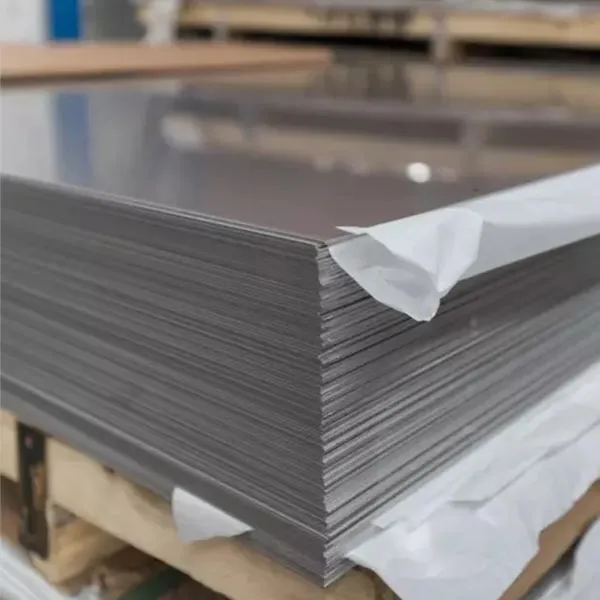
Monel 400 is a nickel-copper alloy known for its excellent corrosion resistance, high strength, and good ductility. Composed primarily of nickel (about 63%) and copper, with small amounts of iron, manganese, carbon, and silicon, it is widely used in marine, chemical, and oil and gas industries. The natural color of Monel 400 is a silvery-white metallic sheen, which is characteristic of many metal alloys. This color is a result of the surface reflectivity and the inherent properties of the alloy's composition.
The surface finish of Monel 400 plates can vary depending on the manufacturing process. Hot-rolled plates typically have a rougher surface with a scale layer, which may slightly affect the appearance. Cold-rolled plates, on the other hand, offer a smoother and more uniform surface finish, enhancing the overall visual appeal. However, regardless of the finish, the base color remains the same silvery-white.
Factors Affecting Color Change
Oxidation and Corrosion
One of the most common ways the color of Monel 400 can change is through oxidation and corrosion. When exposed to certain environmental conditions, such as high humidity, saltwater, or chemicals, the surface of the Monel 400 plate may react with oxygen or other substances in the environment. This can lead to the formation of a thin oxide layer on the surface, which can change the color from the original silvery-white to a darker shade, such as a light brown or even a blackish color.
For example, in marine applications, Monel 400 plates may be exposed to saltwater spray and high humidity for extended periods. Over time, the salt in the water can accelerate the oxidation process, causing the surface to develop a patina. While this patina can be seen as a sign of the material's durability and resistance to corrosion, it also changes the appearance of the plate.
Heat Treatment
Heat treatment is another factor that can potentially change the color of Monel 400 plates. When heated to high temperatures, the alloy's microstructure can undergo changes, which may affect its surface properties and color. For instance, annealing, a common heat treatment process used to relieve internal stresses and improve ductility, can cause the surface of the Monel 400 plate to develop a light blue or purple tint. This is due to the formation of a thin oxide layer on the surface as a result of the heating and cooling process.
However, it's important to note that the color change due to heat treatment is often a byproduct of the process and may not be precisely controllable. The exact color and intensity of the change depend on various factors, such as the heating temperature, heating time, and the cooling rate.

Surface Coating
Applying a surface coating is a more controlled way to change the color of Monel 400 plates. There are several types of coatings available, each with its own advantages and disadvantages.
- Paint Coating: Paint is a common and cost-effective way to change the color of Monel 400 plates. It can provide a wide range of color options and can also offer additional protection against corrosion. However, paint coatings may not be as durable as other types of coatings and may require periodic maintenance to prevent chipping and peeling.
- Plating: Electroplating or electroless plating can be used to deposit a thin layer of another metal on the surface of the Monel 400 plate. This can not only change the color but also improve the wear resistance and corrosion resistance of the plate. For example, nickel plating can give the plate a brighter and more uniform appearance, while chrome plating can provide a shiny and reflective surface.
- Anodizing: Although anodizing is more commonly used for aluminum alloys, it can also be applied to some nickel-based alloys, including Monel 400, under certain conditions. Anodizing creates a porous oxide layer on the surface of the plate, which can be dyed to achieve different colors. This method can provide a more durable and aesthetically pleasing finish compared to paint coatings.
Applications and Considerations
The ability to change the color of Monel 400 plates can have significant implications for various applications.
Architectural and Decorative Applications
In architectural and decorative applications, the color of the material plays an important role in the overall design. By changing the color of Monel 400 plates, architects and designers can create unique and visually appealing structures. For example, a building facade made of Monel 400 plates with a custom color can enhance the building's aesthetic appeal and make it stand out from the surrounding structures.
However, in architectural applications, it's important to consider the long-term durability and maintenance requirements of the color change method. For instance, if a paint coating is used, it may need to be repainted periodically to maintain its appearance. On the other hand, a more durable coating, such as plating or anodizing, may be a better choice for long-term use.
Industrial Applications
In industrial applications, the color change of Monel 400 plates may be used for identification or functional purposes. For example, different colors can be used to distinguish between different types of equipment or components in a manufacturing plant. Additionally, a colored coating can provide additional protection against wear and corrosion, which can extend the service life of the plates.
When considering color change for industrial applications, it's crucial to ensure that the coating or treatment does not compromise the mechanical properties or corrosion resistance of the Monel 400 plates. For example, some coatings may affect the alloy's ability to resist stress corrosion cracking, which can be a serious issue in high-stress environments.
Comparison with Other Alloys
It's interesting to compare the color change possibilities of Monel 400 with other similar alloys, such as Inconel 600 Sheet, Incoloy 825 Fastener, and Inconel 625 Sheet.
- Inconel 600: Like Monel 400, Inconel 600 is a nickel-based alloy with good corrosion resistance. However, Inconel 600 is more resistant to oxidation at high temperatures, which means it may be less likely to change color due to oxidation compared to Monel 400. Similar to Monel 400, the color of Inconel 600 can be changed through surface coating methods.
- Incoloy 825: Incoloy 825 is a nickel-iron-chromium alloy with excellent resistance to a wide range of corrosive environments. The color change mechanisms for Incoloy 825 are similar to those of Monel 400, including oxidation, heat treatment, and surface coating. However, the specific color changes and the effectiveness of different treatment methods may vary due to the differences in alloy composition.
- Inconel 625: Inconel 625 is a high-strength nickel-chromium-molybdenum alloy with outstanding corrosion resistance. Similar to the other alloys, the color of Inconel 625 can be modified through various means. However, its high alloy content may make it more challenging to achieve certain color changes compared to Monel 400.
Conclusion
In conclusion, the color of Monel 400 plates can indeed be changed through various methods, including oxidation, heat treatment, and surface coating. Each method has its own advantages and disadvantages, and the choice of method depends on the specific application requirements, such as aesthetic appeal, durability, and cost.
As a Monel 400 plate supplier, I understand the importance of providing high-quality products that meet the diverse needs of our customers. Whether you're looking for the natural silvery-white appearance or a custom color for your project, we can offer professional advice and solutions to help you achieve your goals.
If you're interested in purchasing Monel 400 plates or have any questions about color change or other aspects of our products, please feel free to contact us for further discussion. We're committed to providing you with the best products and services to ensure the success of your projects.
References
- "Nickel and Nickel Alloys Handbook" by ASM International
- "Corrosion Resistance of Metals and Alloys" by L. L. Shreir