

Hey there! As a supplier of stainless steel tees, I often get asked if these nifty little components can handle high - temperature applications. Well, let's dive right in and explore this topic.
First off, what exactly is a stainless steel tee? It's a type of pipe fitting that's shaped like the letter "T". It's used to connect three pipes, allowing the flow of fluids or gases to split or combine. These tees are super popular in various industries because of their durability and resistance to corrosion.
Now, when it comes to high - temperature applications, stainless steel tees have a lot going for them. Stainless steel is an alloy made up of iron, chromium, and other elements. The chromium in stainless steel forms a thin, protective oxide layer on the surface. This layer acts as a shield, preventing the metal from rusting and corroding, even in harsh environments.
One of the key factors in determining if a stainless steel tee can be used in high - temperature applications is the grade of stainless steel. There are different grades available, each with its own set of properties. For example, Grade 304 stainless steel is one of the most common grades. It's a great all - around material, but its performance at high temperatures has some limitations.

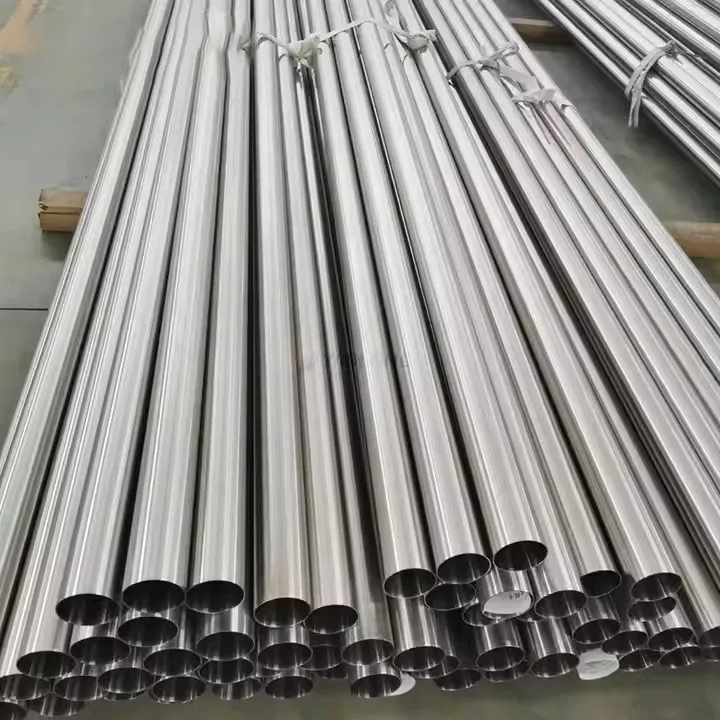
Grade 304 stainless steel can typically handle temperatures up to about 870°C (1600°F). At these temperatures, it retains its strength and corrosion resistance to a certain extent. However, if the temperature goes much higher, the oxide layer can start to break down, and the steel may lose some of its mechanical properties.
On the other hand, Grade 316 stainless steel is another popular choice. It contains molybdenum, which gives it better corrosion resistance than Grade 304, especially in environments with chlorides. In terms of high - temperature performance, Grade 316 can also handle temperatures up to around 870°C (1600°F), similar to Grade 304.
But if you're dealing with really high - temperature applications, say above 870°C, you might want to consider using a higher - grade stainless steel like Grade 321 or Grade 347. Grade 321 has titanium added to it, which helps prevent carbide precipitation at high temperatures. This means it can maintain its strength and corrosion resistance better than Grade 304 or 316 at elevated temperatures. Grade 347 contains niobium, which also provides similar benefits, making it suitable for high - temperature applications.
Another aspect to consider is the type of high - temperature environment. Is it a continuous high - temperature situation, or are there temperature fluctuations? If there are rapid temperature changes, the stainless steel tee needs to be able to withstand thermal stress. Stainless steel has a relatively high coefficient of thermal expansion, which means it expands and contracts with temperature changes. If the expansion and contraction are too extreme, it can cause stress on the tee, leading to cracking or failure.
In some high - temperature applications, the stainless steel tee may also be exposed to other factors like chemicals or abrasive materials. For example, in a chemical processing plant, the tee may come into contact with corrosive chemicals at high temperatures. In such cases, choosing the right grade of stainless steel is crucial. A grade with better chemical resistance will ensure the longevity of the tee.
Now, let's talk about some of the industries where stainless steel tees are used in high - temperature applications. The power generation industry is a big one. In power plants, steam is used to drive turbines, and the pipes that carry the steam operate at high temperatures and pressures. Stainless steel tees are used to connect these pipes, ensuring a reliable flow of steam.
The petrochemical industry also relies heavily on stainless steel tees in high - temperature applications. In refineries, various processes involve high - temperature reactions and the transfer of hot fluids. Stainless steel tees are used to connect the pipes in these systems, providing a corrosion - resistant and durable solution.
If you're in the market for other stainless steel products, we also offer Stainless Steel Channel Nuts, Stainless Steel Flat Bar Steel, and 304 Round Stainless Steel Pipe /Tube. These products are also made from high - quality stainless steel and are suitable for a wide range of applications.
So, can a stainless steel tee be used in high - temperature applications? The answer is yes, but it depends on several factors like the grade of stainless steel, the specific high - temperature environment, and the presence of other factors like chemicals or thermal stress. By choosing the right grade of stainless steel and ensuring proper installation and maintenance, stainless steel tees can provide a reliable solution for high - temperature applications.
If you're interested in learning more about our stainless steel tees or have any questions about using them in high - temperature applications, don't hesitate to reach out. We're here to help you find the best solution for your needs. Whether you're a small business or a large industrial operation, we can work with you to ensure you get the right product.
Let's start a conversation and see how we can meet your stainless steel tee requirements. We look forward to hearing from you and helping you with your high - temperature application needs.
References
- ASM Handbook Volume 13A: Corrosion: Fundamentals, Testing, and Protection
- Stainless Steel World Magazine articles on high - temperature applications of stainless steel
- Technical data sheets from stainless steel manufacturers