

Hey there! As a supplier of 410 stainless steel sheet, I've got a lot to share about the transportation requirements for this awesome material. Let's dive right in.
First off, what's so special about 410 stainless steel sheet? Well, it's a martensitic stainless steel, which means it's got some great properties like high strength, good corrosion resistance, and can be heat - treated to enhance its hardness. This makes it a popular choice in a bunch of industries, from automotive to construction.
Packaging for Transportation
One of the key aspects of transporting 410 stainless steel sheet is proper packaging. You see, these sheets are prone to scratches, dents, and corrosion if not protected well. We usually use a combination of protective materials to ensure the sheets arrive at their destination in top - notch condition.
For starters, we wrap each sheet with a layer of plastic film. This thin layer acts as a barrier against moisture and dust. Moisture can cause rusting on the surface of the steel, which is a big no - no. The plastic film also helps prevent minor scratches during handling and transit.
After the plastic film, we place the sheets in wooden crates or pallets. Wooden crates are sturdy and can withstand the rigors of transportation. They provide a stable base for the sheets and protect them from impacts. We make sure to secure the sheets inside the crates using straps or bands. This keeps them in place and prevents them from shifting around during the journey.
Loading and Unloading
Loading and unloading 410 stainless steel sheets require special care. We use forklifts or cranes that are equipped with soft - padded forks or slings. The soft padding prevents direct contact between the steel sheets and the metal parts of the forklift or crane, reducing the risk of scratches.
When loading the sheets onto a truck or container, we stack them evenly. Uneven stacking can lead to the sheets shifting during transit, which might cause damage. We also leave some space between the stacks to allow for air circulation. This helps in preventing the build - up of moisture inside the container.
Unloading is just as crucial as loading. Workers need to be trained to handle the sheets gently. They should follow the same procedures as loading, using soft - padded equipment and taking care not to drop or bang the sheets.
Mode of Transportation
There are several modes of transportation available for 410 stainless steel sheets, and the choice depends on various factors like distance, quantity, and urgency.
Road Transportation
For short - distance deliveries, road transportation is often the go - to option. Trucks are flexible and can deliver the sheets directly to the customer's site. However, we need to be careful about the road conditions. Bumpy roads can cause vibrations, which might lead to damage to the sheets. We choose well - maintained roads whenever possible and use trucks with good shock - absorbing systems.
Rail Transportation
Rail transport is a great option for long - distance shipments. Trains can carry large quantities of 410 stainless steel sheets at once. They are also more fuel - efficient compared to trucks. But, we need to consider the loading and unloading points. Sometimes, the sheets might need to be transferred from the train to a truck for the final leg of the journey.
Sea Transportation
If the customer is overseas, sea transportation is usually the best choice. We use shipping containers to transport the sheets. These containers are designed to protect the goods from the harsh marine environment. They are sealed to keep out water and are stackable on the ship. However, sea transportation takes longer, and we need to account for customs clearance procedures at the destination port.
Climate Considerations
The climate during transportation can have a significant impact on the 410 stainless steel sheets. In humid climates, we need to take extra precautions to prevent rusting. As I mentioned earlier, the plastic film and proper ventilation inside the container are essential.
In cold climates, the steel can become more brittle. We need to ensure that the sheets are not subjected to sudden temperature changes during loading and unloading. For example, if the sheets are stored in a warm warehouse and then loaded onto a cold truck, the rapid temperature drop can cause stress on the steel.
Compliance with Regulations
When transporting 410 stainless steel sheets, we need to comply with various regulations. There are international and local regulations regarding the transportation of steel products. These regulations cover aspects like packaging standards, labeling, and safety requirements.
We make sure to label the packages correctly, indicating the type of steel, the quantity, and any special handling instructions. This helps the transportation companies and the customers to handle the sheets properly.
Related Products
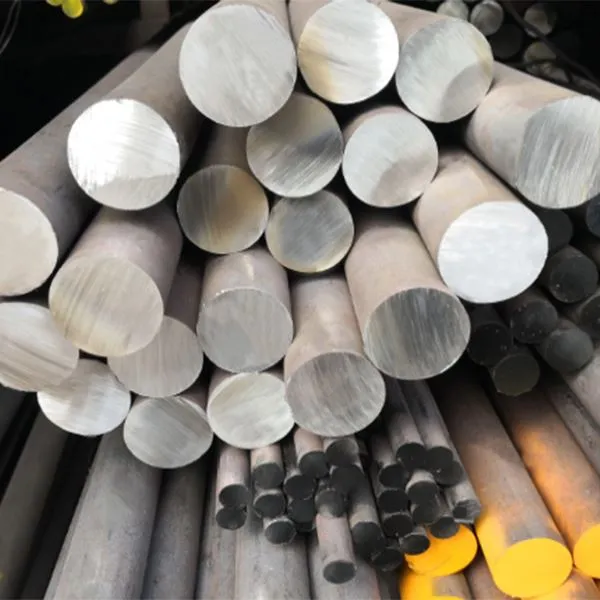
If you're interested in other stainless steel products, we also offer 440C Stainless Steel Sheet, which has different properties and is suitable for different applications. We also have Ss 410 2mm 3mm 6mm Stainless Steel Round Bar and 403 Stainless Steel Tube.

Conclusion
Transporting 410 stainless steel sheets is a complex process that requires attention to detail at every step. From proper packaging to choosing the right mode of transportation, every decision matters. By following these transportation requirements, we can ensure that our customers receive high - quality 410 stainless steel sheets in perfect condition.
If you're in the market for 410 stainless steel sheets or any of our other products, feel free to reach out. We're here to discuss your requirements and provide you with the best solutions. Let's start a conversation and see how we can meet your needs.
References
- "Stainless Steel Handbook" - A comprehensive guide on stainless steel properties and handling.
- Industry standards and regulations on the transportation of steel products.