

What is the price of 630 stainless steel tube?
As a supplier of 630 stainless steel tubes, I often get asked about the price of these products. The price of 630 stainless steel tubes can vary widely based on a multitude of factors, and in this blog post, I'll break down what influences the cost and provide you with a comprehensive understanding of the pricing landscape.

Factors Affecting the Price of 630 Stainless Steel Tubes
1. Raw Material Costs
The price of raw materials is one of the most significant factors influencing the cost of 630 stainless steel tubes. 630 stainless steel, also known as 17 - 4 PH stainless steel, is a precipitation - hardening martensitic stainless steel. It contains elements such as chromium, nickel, copper, and niobium. Fluctuations in the global market prices of these alloying elements can directly impact the cost of the raw steel. For instance, if there is a shortage of nickel due to supply chain disruptions or increased demand from other industries like electric vehicle battery production, the price of 630 stainless steel will likely increase.
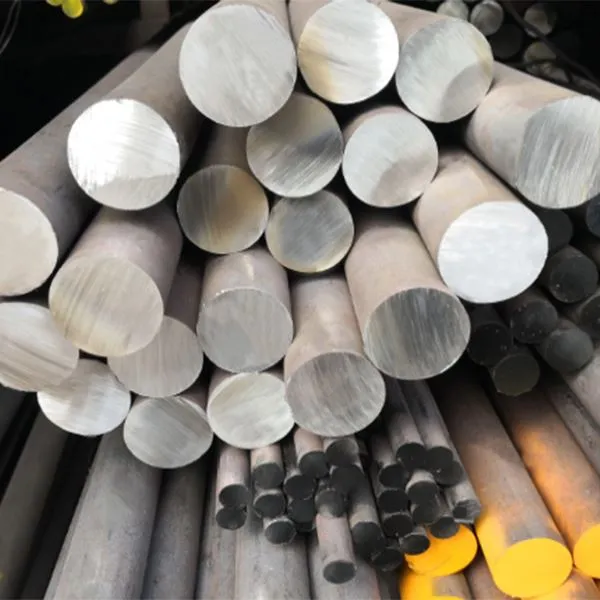
2. Manufacturing Process
The manufacturing process of 630 stainless steel tubes is complex and can affect the price. The tubes are typically produced through processes like hot rolling, cold drawing, and welding. Each process has its own cost implications. For example, cold - drawn tubes are generally more expensive than hot - rolled tubes because the cold - drawing process provides better dimensional accuracy, surface finish, and mechanical properties. Additionally, the need for heat treatment and aging to achieve the desired precipitation - hardening effect in 630 stainless steel adds to the overall manufacturing cost.
3. Tube Specifications
The specifications of the 630 stainless steel tube, such as diameter, wall thickness, and length, play a crucial role in determining its price. Larger - diameter tubes or tubes with thicker walls require more raw material and more complex manufacturing processes, leading to higher costs. Special lengths or non - standard sizes may also incur additional charges due to the need for custom production.
4. Quantity Ordered
Economies of scale come into play when it comes to purchasing 630 stainless steel tubes. Generally, the larger the quantity ordered, the lower the unit price. This is because suppliers can optimize their production processes, reduce setup costs, and negotiate better prices for raw materials when dealing with larger orders. Smaller orders, on the other hand, may have a higher per - unit cost to cover the fixed costs associated with production and handling.

5. Market Demand and Supply
The basic economic principle of supply and demand also affects the price of 630 stainless steel tubes. If the demand for these tubes is high, especially in industries such as aerospace, automotive, and medical equipment, and the supply is limited, the prices will tend to rise. Conversely, when the supply exceeds the demand, prices may drop as suppliers compete for customers.
Current Price Range
It's difficult to provide an exact price for 630 stainless steel tubes as it depends on the factors mentioned above. However, as of the current market situation, the price per kilogram of 630 stainless steel tubes can range from approximately $5 to $15. For smaller - diameter tubes with thinner walls, the price may be on the lower end of the range, while larger - diameter, thicker - walled tubes or tubes with special requirements can cost closer to the upper end or even more.
Comparison with Other Stainless Steel Products
To give you a better perspective on the pricing of 630 stainless steel tubes, let's compare them with some other stainless steel products. For example, 403 Stainless Steel Tube is a martensitic stainless steel that is often used in applications where corrosion resistance and strength are required. Generally, 403 stainless steel tubes are less expensive than 630 stainless steel tubes because 630 stainless steel has better corrosion resistance, higher strength, and can be precipitation - hardened to achieve specific mechanical properties.
Another product is the Ss 410 2mm 3mm 6mm Stainless Steel Round Bar. SS 410 is also a martensitic stainless steel, but it has different chemical composition and mechanical properties compared to 630 stainless steel. The round bar form also has different manufacturing processes and cost structures. Typically, 630 stainless steel tubes are more expensive than SS 410 round bars due to the superior properties and the complexity of tube manufacturing.
420 Stainless Steel Pipe is yet another martensitic stainless steel product. 420 stainless steel is known for its good machinability and corrosion resistance. However, 630 stainless steel tubes are usually priced higher because of their enhanced strength and corrosion - resistance capabilities, especially in harsh environments.
How to Get the Best Price
If you're looking to purchase 630 stainless steel tubes, here are some tips to get the best price:
- Compare Quotes: Reach out to multiple suppliers and compare their quotes. This will give you an idea of the market price range and help you identify the most competitive offers.
- Order in Bulk: If your project allows, consider ordering a larger quantity to take advantage of economies of scale.
- Specify Requirements Clearly: Provide detailed specifications of the tubes you need, including diameter, wall thickness, length, and any special requirements. This will ensure that you get accurate quotes and avoid any misunderstandings.
Contact for Purchase and Negotiation
If you're interested in purchasing 630 stainless steel tubes or have any questions about the pricing, feel free to contact us. We are committed to providing high - quality products at competitive prices and are ready to discuss your specific needs. Whether you need a small quantity for a prototype or a large order for a major project, we can work with you to find the best solution.
References
- ASM Handbook Committee. (2004). ASM Handbook, Volume 13A: Corrosion: Fundamentals, Testing, and Protection. ASM International.
- Schaeffler, W. (1949). Constitution Diagram for Stainless Steels. Metal Progress.