

Pitting corrosion is a localized form of corrosion that occurs on metal surfaces, leading to the formation of small pits or holes. It can significantly reduce the structural integrity and service life of materials, especially in harsh environments. As a supplier of S32760 stainless steel, understanding the pitting corrosion resistance of this material is crucial for both us and our customers. In this blog, we will explore what the pitting corrosion resistance of S32760 stainless steel is and why it matters.
Composition and Structure of S32760 Stainless Steel
S32760 stainless steel, also known as super duplex stainless steel, has a unique chemical composition and microstructure that contribute to its excellent corrosion resistance. It typically contains about 25% chromium, 7% nickel, 3% molybdenum, and 0.2% nitrogen, along with other alloying elements. The duplex structure of S32760 consists of approximately equal amounts of ferrite and austenite phases. This dual - phase structure provides a combination of high strength and good corrosion resistance.
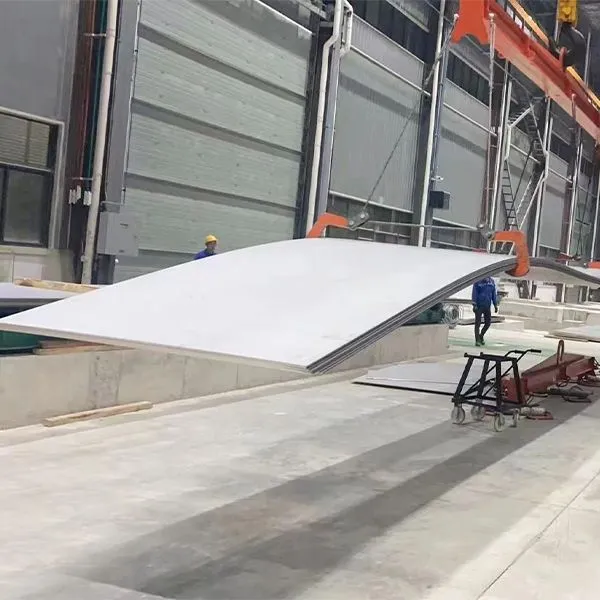
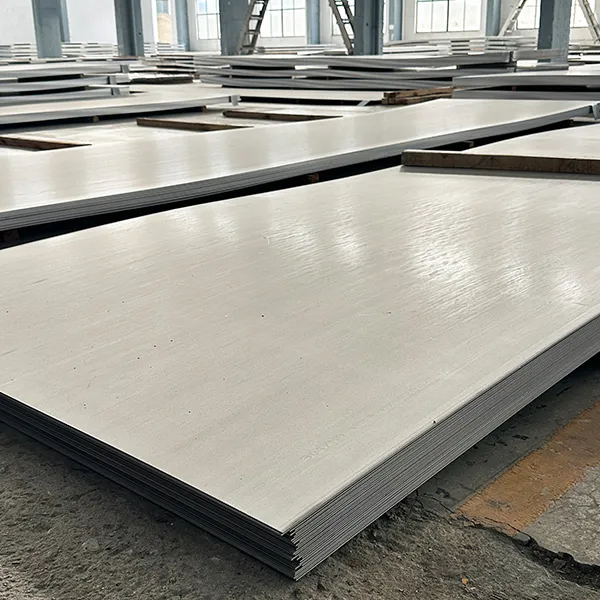
The high chromium content in S32760 forms a passive oxide film on the surface of the steel, which acts as a protective barrier against corrosion. Molybdenum further enhances the stability of this passive film, especially in chloride - containing environments. Nitrogen improves the pitting and crevice corrosion resistance by strengthening the passive film and inhibiting the initiation and propagation of pits.
Pitting Corrosion Mechanism
Pitting corrosion starts when the passive film on the metal surface is locally disrupted. This can happen due to the presence of chloride ions, mechanical damage, or the presence of impurities on the surface. Chloride ions are particularly aggressive towards the passive film of stainless steel. They can penetrate the film and react with the metal underneath, forming metal chlorides. These metal chlorides are soluble in water, which leads to the dissolution of the metal at the pit site.
As the pit grows, an electrochemical cell is established between the metal inside the pit (anode) and the surrounding metal (cathode). The anode area is much smaller than the cathode area, which results in a high current density at the pit site. This accelerates the dissolution of the metal inside the pit, causing it to deepen and expand.
Pitting Corrosion Resistance of S32760 Stainless Steel
The pitting corrosion resistance of S32760 stainless steel is evaluated using various methods, such as the pitting resistance equivalent number (PREN). The PREN is calculated using the formula: PREN = %Cr + 3.3×%Mo+16×%N. For S32760, with its high chromium, molybdenum, and nitrogen content, the PREN value is typically above 40. A higher PREN value indicates better pitting corrosion resistance.
In laboratory tests, S32760 has shown excellent resistance to pitting corrosion in chloride - containing solutions. For example, in a 3.5% sodium chloride solution at room temperature, S32760 can withstand long - term exposure without significant pitting. It has a much higher pitting potential compared to other common stainless steels, such as 304 and 316 stainless steels.
Field applications also demonstrate the superior pitting corrosion resistance of S32760. In the oil and gas industry, where pipelines and equipment are often exposed to highly corrosive environments containing chlorides, hydrogen sulfide, and carbon dioxide, S32760 has been widely used. It can resist pitting corrosion in seawater, brine, and other aggressive media, ensuring the long - term reliability of the infrastructure.
Comparison with Other Stainless Steels
When compared with other stainless steels, S32760 stands out in terms of pitting corrosion resistance. For instance, 904L Stainless Steel Sheet is a high - alloy austenitic stainless steel. While it has good corrosion resistance, its pitting corrosion resistance in chloride - rich environments is not as good as that of S32760. 904L has a lower PREN value due to its relatively lower molybdenum and nitrogen content.
2205 Stainless Steel Plate is another duplex stainless steel. It offers a good balance of strength and corrosion resistance, but S32760 has a higher pitting corrosion resistance. The higher alloy content in S32760, especially the additional molybdenum and nitrogen, gives it an edge over 2205 in harsh environments.
Factors Affecting Pitting Corrosion Resistance
Several factors can affect the pitting corrosion resistance of S32760 stainless steel. The surface finish of the steel plays an important role. A smooth surface finish reduces the number of potential sites for pit initiation. Rough surfaces or surfaces with scratches and defects are more likely to experience pitting corrosion as they can disrupt the passive film.
The temperature also has a significant impact. As the temperature increases, the rate of pitting corrosion generally increases. At higher temperatures, the diffusion of chloride ions and the chemical reactions at the pit site are faster, which accelerates the growth of pits.
The concentration of chloride ions in the environment is another critical factor. Higher chloride concentrations increase the likelihood of pitting corrosion. In addition, the pH of the solution can affect the stability of the passive film. Acidic solutions can be more corrosive to S32760, while alkaline solutions can help maintain the integrity of the passive film.
Maintaining Pitting Corrosion Resistance
To ensure the long - term pitting corrosion resistance of S32760 stainless steel products, proper handling, installation, and maintenance are required. During handling, care should be taken to avoid scratching or damaging the surface of the steel. Any surface contaminants should be removed before installation.
In service, regular inspection of the S32760 components is necessary. Visual inspection can detect the early signs of pitting corrosion, such as small pits or discoloration on the surface. Non - destructive testing methods, such as ultrasonic testing and eddy - current testing, can also be used to detect internal corrosion or pitting.
If pitting corrosion is detected, appropriate remedial measures should be taken. This may include cleaning the surface to remove any corrosion products, applying a protective coating, or replacing the corroded component if necessary.
Our S32760 Stainless Steel Products
As a supplier of S32760 stainless steel, we offer a wide range of products, including S32760 Stainless Steel Bar. Our products are manufactured using high - quality raw materials and advanced production processes to ensure the best possible pitting corrosion resistance.
We conduct strict quality control measures at every stage of production. Our S32760 products are tested for chemical composition, mechanical properties, and corrosion resistance. We can provide test reports to our customers to ensure the quality and performance of our products.
Conclusion
The pitting corrosion resistance of S32760 stainless steel is one of its most important properties. Its unique composition and dual - phase structure give it excellent resistance to pitting corrosion, especially in chloride - containing environments. This makes it a preferred choice for many applications in the oil and gas, chemical, and marine industries.
If you are in need of high - quality S32760 stainless steel products with superior pitting corrosion resistance, we are here to serve you. We can provide you with the right products and technical support to meet your specific requirements. Contact us to start a procurement discussion and find the best solution for your project.
References
- ASM Handbook, Volume 13A: Corrosion: Fundamentals, Testing, and Protection.
- Stainless Steel World magazine, various articles on duplex and super duplex stainless steels.
- NACE International standards related to corrosion testing and evaluation of stainless steels.