

Alloy C276, also known as Hastelloy C276, is a nickel - molybdenum - chromium superalloy with a small amount of tungsten. It is well - recognized for its outstanding corrosion resistance, especially in highly aggressive chemical environments. As a reliable supplier of Alloy C276, I am frequently asked about its performance in acidic environments. In this blog, I will delve into the behavior of Alloy C276 in various acidic conditions, highlighting its advantages and applications.
General Corrosion Resistance in Acidic Media
One of the most remarkable features of Alloy C276 is its excellent general corrosion resistance in a wide range of acidic solutions. The high nickel content provides a stable base that resists corrosion, while the molybdenum and chromium enhance its passivation ability and resistance to pitting and crevice corrosion.
In sulfuric acid, Alloy C276 shows good resistance at various concentrations and temperatures. For dilute sulfuric acid solutions (up to about 10% concentration) at room temperature, Alloy C276 exhibits very low corrosion rates. As the concentration increases, the performance remains relatively stable, but the temperature becomes a more critical factor. At higher temperatures, the corrosion rate may increase slightly, but it is still far lower compared to many other common metals and alloys. For example, in a 10% sulfuric acid solution at 60°C, Alloy C276 can maintain a corrosion rate of less than 0.1 mm/year, which is an extremely good performance considering the aggressiveness of the acid.
Hydrochloric acid is another highly corrosive medium. Alloy C276 is capable of withstanding hydrochloric acid environments under certain conditions. In dilute hydrochloric acid solutions (less than 5% concentration) at room temperature, it can resist corrosion effectively. However, as the concentration and temperature rise, the corrosion resistance decreases. But even in relatively harsh conditions, such as a 3% hydrochloric acid solution at 50°C, Alloy C276 still outperforms many other alloys. The addition of tungsten in Alloy C276 further improves its resistance to hydrochloric acid corrosion by enhancing the stability of the passive film on the surface of the alloy.
Resistance to Pitting and Crevice Corrosion in Acidic Environments
Pitting and crevice corrosion are common forms of localized corrosion in acidic media. These types of corrosion can cause severe damage to metal structures, leading to premature failure. Alloy C276 has excellent resistance to pitting and crevice corrosion in many acidic environments.
The chromium in Alloy C276 forms a passive chromium oxide film on the surface of the alloy, which acts as a barrier against the penetration of corrosive species. The molybdenum also plays a crucial role in improving the resistance to pitting and crevice corrosion. It enhances the stability of the passive film and inhibits the initiation and propagation of pits and crevices.
In chloride - containing acidic solutions, which are particularly prone to pitting and crevice corrosion, Alloy C276 shows superior performance. For instance, in a solution of sulfuric acid with a small amount of chloride ions, Alloy C276 can resist pitting and crevice corrosion even at relatively high temperatures. This makes it a suitable choice for applications in chemical processing plants where chloride - contaminated acidic solutions are often encountered.
Applications in Acidic Environments
Due to its excellent performance in acidic environments, Alloy C276 has a wide range of applications in various industries.
In the chemical processing industry, Alloy C276 is used in the production of sulfuric acid, hydrochloric acid, and other corrosive chemicals. It is employed in equipment such as reactors, storage tanks, and piping systems. For example, in a sulfuric acid production plant, Alloy C276 pipes can transport the hot and concentrated sulfuric acid without significant corrosion, ensuring the long - term reliability of the production process.
The pharmaceutical industry also benefits from the use of Alloy C276. Many pharmaceutical manufacturing processes involve acidic solutions, and the high - purity and corrosion - resistant properties of Alloy C276 make it suitable for equipment such as reaction vessels and distillation columns. This helps to maintain the quality and purity of the pharmaceutical products.
In the oil and gas industry, Alloy C276 is used in downhole equipment and offshore platforms. The acidic environments in oil and gas production, including the presence of hydrogen sulfide and carbon dioxide, can cause severe corrosion to metal components. Alloy C276's resistance to these corrosive agents makes it an ideal material for components such as valves, pumps, and wellhead equipment.
Comparison with Other Alloys
When compared with other alloys, Alloy C276 stands out in terms of its performance in acidic environments. For example, [Inconel 600 Bar](/alloy - steel/inconel - 600.html) is a well - known nickel - chromium alloy. While Inconel 600 has good corrosion resistance in some environments, it is not as resistant as Alloy C276 in highly acidic and reducing environments. Inconel 600 may experience higher corrosion rates in sulfuric acid and hydrochloric acid solutions, especially at elevated temperatures and high acid concentrations.
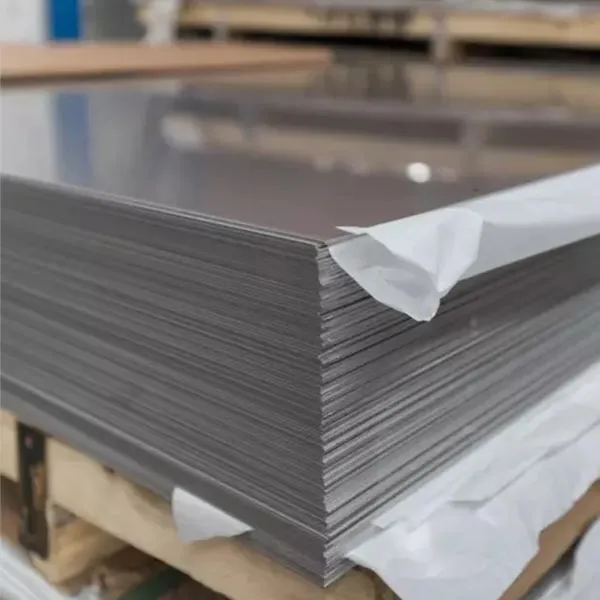

[Inconel 625 Sheet](/alloy - steel/inconel - 625 - sheet.html) is another alloy that is often used in corrosive environments. It has excellent corrosion resistance, but Alloy C276 generally offers better performance in strongly reducing acidic conditions. Inconel 625 is more suitable for applications where oxidation resistance is the primary concern, while Alloy C276 is a better choice for environments with a combination of reducing acids and aggressive anions.
[Inconel 600 Sheet](/alloy - steel/inconel - 600 - sheet.html) also has limitations in acidic environments compared to Alloy C276. Inconel 600 may be more prone to pitting and crevice corrosion in chloride - containing acidic solutions, while Alloy C276 provides better protection against these forms of corrosion.
Conclusion
In conclusion, Alloy C276 exhibits outstanding performance in acidic environments. Its high nickel, molybdenum, chromium, and tungsten content contribute to its excellent general corrosion resistance, resistance to pitting and crevice corrosion, and suitability for a wide range of applications in industries such as chemical processing, pharmaceuticals, and oil and gas.
If you are in need of high - quality Alloy C276 products for your projects in acidic environments, we are here to assist you. Our company has a rich inventory of Alloy C276 in various forms, including bars, sheets, and pipes. We can provide customized solutions to meet your specific requirements. Contact us for more information and to start a procurement discussion.
References
- ASM Handbook Volume 13A: Corrosion: Fundamentals, Testing, and Protection.
- "Corrosion Resistance of Nickel and Nickel Alloys" by R. Baboian.
- Technical data sheets of Alloy C276 provided by major alloy manufacturers.