

Duplex stainless steel has gained significant popularity in various industries due to its excellent combination of mechanical properties and corrosion resistance. However, one of the critical issues that users and manufacturers often encounter is cavitation corrosion. As a trusted duplex stainless steel supplier, I am committed to providing comprehensive insights into this phenomenon to help our customers make informed decisions and ensure the long - term performance of their applications.
Understanding Cavitation Corrosion
Cavitation corrosion is a complex process that results from the interaction of mechanical and chemical factors. It occurs when rapid changes in pressure cause the formation, growth, and subsequent collapse of vapor bubbles in a liquid. When these bubbles collapse near a metal surface, they generate high - energy shock waves and micro - jets, which can cause local damage to the surface.
The process of cavitation corrosion can be divided into several stages. First, the formation of vapor bubbles occurs in areas where the local pressure drops below the vapor pressure of the liquid. This can happen due to high - velocity fluid flow, sudden changes in flow direction, or the presence of rough surfaces. As the bubbles move into regions of higher pressure, they collapse violently. The impact of the collapsing bubbles can remove material from the metal surface, creating pits and craters.
In addition to the mechanical damage, cavitation also accelerates the chemical corrosion process. The collapsing bubbles expose fresh metal surfaces to the corrosive environment, increasing the rate of oxidation and dissolution. This combined effect of mechanical erosion and chemical corrosion can lead to severe degradation of the material over time.
Factors Affecting Cavitation Corrosion of Duplex Stainless Steel
Material Composition
The composition of duplex stainless steel plays a crucial role in its resistance to cavitation corrosion. Duplex stainless steels are characterized by a two - phase microstructure consisting of ferrite and austenite. The ferrite phase provides high strength, while the austenite phase enhances ductility and toughness. Elements such as chromium (Cr), molybdenum (Mo), and nitrogen (N) are added to improve the corrosion resistance of the material.
Chromium forms a passive oxide layer on the surface of the steel, which protects it from corrosion. Molybdenum enhances the stability of the passive layer and improves resistance to pitting and crevice corrosion. Nitrogen also contributes to the formation of a stable passive film and increases the strength and hardness of the material. For example, S32760 Stainless Steel Bar contains relatively high levels of chromium, molybdenum, and nitrogen, which gives it excellent resistance to cavitation corrosion in many aggressive environments.
Microstructure
The microstructure of duplex stainless steel, including the ratio of ferrite to austenite and the grain size, can significantly affect its cavitation corrosion resistance. A balanced ferrite - austenite ratio is generally preferred, as it provides a good combination of mechanical and corrosion - resistant properties. If the ratio is not properly controlled, one phase may be more susceptible to cavitation damage than the other, leading to preferential corrosion.
Fine - grained microstructures tend to have better cavitation corrosion resistance than coarse - grained ones. Fine grains can inhibit the propagation of cracks and provide more grain boundaries, which can act as barriers to the movement of dislocations and the growth of corrosion pits.
Environmental Conditions
The environment in which the duplex stainless steel is used has a profound impact on cavitation corrosion. Factors such as the type of liquid, temperature, pH, and the presence of contaminants can all influence the rate of corrosion.
In general, liquids with high velocity and turbulence are more likely to cause cavitation. For example, in pumps, valves, and propellers, the high - speed flow of liquid can create the conditions for bubble formation and collapse. The temperature of the liquid also affects cavitation corrosion. Higher temperatures can increase the vapor pressure of the liquid, making it easier for bubbles to form. Additionally, the pH of the liquid can affect the stability of the passive layer on the metal surface. Acidic or alkaline environments can break down the passive layer, increasing the susceptibility to corrosion.
Detection and Prevention of Cavitation Corrosion
Detection
Detecting cavitation corrosion at an early stage is essential to prevent further damage to the material. There are several methods for detecting cavitation corrosion, including visual inspection, ultrasonic testing, and electrochemical methods.
Visual inspection is the simplest method, which involves examining the surface of the material for signs of pitting, erosion, and surface roughness. However, this method may not be able to detect early - stage cavitation damage. Ultrasonic testing can be used to detect internal defects and measure the thickness of the material. Electrochemical methods, such as potentiodynamic polarization and electrochemical impedance spectroscopy, can provide information about the corrosion rate and the integrity of the passive layer.
Prevention
Preventing cavitation corrosion requires a combination of material selection, design optimization, and operational control.
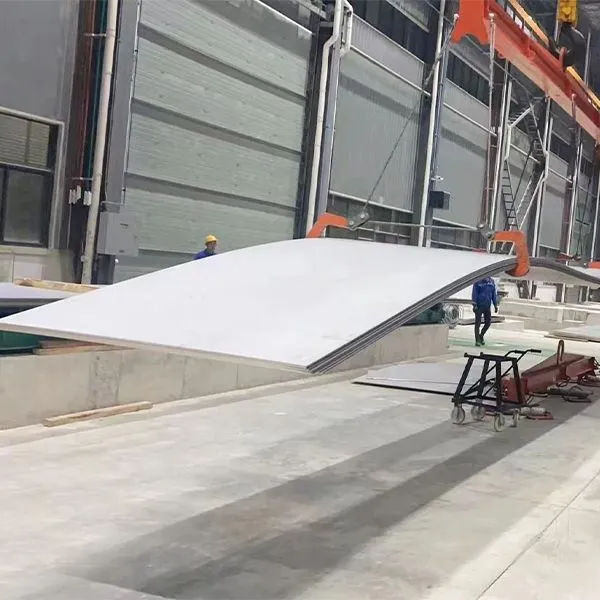
When selecting a duplex stainless steel for a specific application, it is important to choose a grade with high cavitation corrosion resistance. For example, 2205 Stainless Steel Plate and 2507 Stainless Steel Sheet are widely used in applications where cavitation corrosion is a concern due to their excellent corrosion - resistant properties.
Design optimization can also help reduce the risk of cavitation corrosion. This includes avoiding sharp edges and sudden changes in flow direction, which can create areas of high pressure drop. Smooth surfaces and proper flow channel design can minimize the formation of bubbles and reduce the impact of collapsing bubbles.

Operational control is another important aspect of preventing cavitation corrosion. This includes maintaining proper operating conditions, such as flow rate, temperature, and pressure. Regular maintenance and inspection can also help detect and address any potential issues before they become serious problems.
Applications of Duplex Stainless Steel in Cavitation - Prone Environments
Duplex stainless steel is widely used in various industries where cavitation corrosion is a concern. In the marine industry, it is used for ship propellers, seawater pumps, and offshore platforms. The high strength and corrosion resistance of duplex stainless steel make it suitable for these applications, where it is exposed to harsh seawater environments and high - speed fluid flow.
In the chemical processing industry, duplex stainless steel is used in pumps, valves, and heat exchangers. These components are often in contact with corrosive chemicals and high - velocity fluids, which can cause cavitation corrosion. The excellent corrosion resistance of duplex stainless steel helps to ensure the long - term reliability and performance of these equipment.
Conclusion
Cavitation corrosion is a significant issue for duplex stainless steel in many applications. Understanding the factors that affect cavitation corrosion, detecting it at an early stage, and taking appropriate preventive measures are essential to ensure the long - term performance of the material. As a leading duplex stainless steel supplier, we offer a wide range of high - quality products, such as S32760 Stainless Steel Bar, 2205 Stainless Steel Plate, and 2507 Stainless Steel Sheet, which are designed to provide excellent resistance to cavitation corrosion.
If you are looking for reliable duplex stainless steel products for your application, we are here to help. Our team of experts can provide you with professional advice and solutions to meet your specific requirements. Contact us today to start a procurement discussion and find the best duplex stainless steel solution for your needs.
References
- Jones, D. A. (1992). Principles and Prevention of Corrosion. Prentice Hall.
- Uhlig, H. H., & Revie, R. W. (1985). Corrosion and Corrosion Control. Wiley - Interscience.
- Fontana, M. G. (1986). Corrosion Engineering. McGraw - Hill.