

Hey there! As a supplier of Inconel 718 plates, I often get asked about the carbon content in these plates and how it impacts their properties. So, I thought I'd write this blog to share some insights.
First off, let's talk about what Inconel 718 is. It's a nickel-based superalloy that's widely used in various industries, especially aerospace and gas turbines, because of its excellent mechanical properties and corrosion resistance.
Now, the carbon content in Inconel 718 plates typically ranges from 0.03% to 0.08%. That might seem like a tiny amount, but it can have a big impact on the alloy's properties.
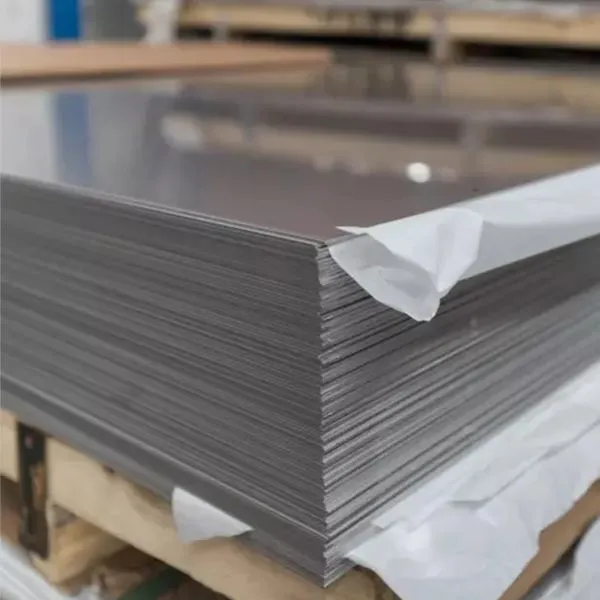

One of the main effects of carbon is on the strength of the Inconel 718 plate. Carbon acts as a solid - solution strengthener. When it's dissolved in the nickel - based matrix of the alloy, it increases the resistance of the material to deformation. This means that as the carbon content goes up within the specified range, the plate becomes stronger. For example, in high - stress applications like turbine blades, a slightly higher carbon content can help the blade withstand the intense forces and pressures without deforming.
Another important aspect is the effect on the alloy's heat - treatment response. Carbon plays a role in the precipitation hardening process, which is a key heat - treatment step for Inconel 718. During precipitation hardening, small particles called precipitates form within the alloy, which further strengthen it. The right amount of carbon helps in the formation and growth of these precipitates. If the carbon content is too low, there might not be enough driving force for the precipitates to form effectively, and the alloy won't achieve its optimal strength. On the other hand, if the carbon content is too high, it can lead to the formation of unwanted carbides at the grain boundaries. These carbides can make the alloy more brittle and reduce its ductility.
Ductility is the ability of a material to deform plastically before breaking. In applications where the plate needs to be formed or bent, good ductility is crucial. A well - balanced carbon content ensures that the Inconel 718 plate has both sufficient strength and ductility. For instance, when manufacturing components that require complex shaping, like aircraft engine casings, the plate needs to be able to be formed into the desired shape without cracking.
Corrosion resistance is also affected by the carbon content. Inconel 718 is already known for its excellent corrosion resistance, but carbon can have an influence. If there are excessive carbides formed due to high carbon content, they can act as sites for corrosion initiation. This is because the composition around these carbides can be different from the rest of the alloy, creating a potential for galvanic corrosion. So, maintaining the proper carbon content is essential to keep the alloy's corrosion - resistant properties intact.
Now, let's compare Inconel 718 with some other related alloys. You might be interested in Inconel 600 Bar, Inconel 600 Sheet, and Inconel 625 Sheet. Inconel 600 has a different composition and carbon content range compared to Inconel 718. Inconel 600 is mainly used for its good oxidation resistance at high temperatures and its resistance to stress - corrosion cracking in certain environments. The carbon content in Inconel 600 is usually around 0.05% - 0.15%. Inconel 625, on the other hand, has a lower carbon content limit of typically 0.01% - 0.10%. It's known for its excellent corrosion resistance in a wide range of corrosive media, including seawater and acidic solutions.
As a supplier, I understand that choosing the right alloy with the appropriate carbon content is crucial for your specific application. Whether you're in the aerospace industry, the chemical processing industry, or any other field that requires high - performance materials, I'm here to help. If you're looking for Inconel 718 plates, we have a wide range of products available with carefully controlled carbon content to meet your requirements.
When you're considering purchasing Inconel 718 plates, it's important to work with a reliable supplier. We ensure that our plates are produced using high - quality raw materials and strict manufacturing processes. Our quality control measures guarantee that the carbon content and other alloying elements are within the specified ranges.
If you're interested in learning more about our Inconel 718 plates or have any questions regarding the carbon content and its effects on the properties, feel free to reach out. We can discuss your specific needs and provide you with the best solutions for your projects. Whether you need a small quantity for a prototype or a large order for a full - scale production, we've got you covered.
In conclusion, the carbon content in Inconel 718 plates is a critical factor that affects multiple properties such as strength, ductility, heat - treatment response, and corrosion resistance. By carefully controlling the carbon content, we can produce plates that are suitable for a wide variety of demanding applications. So, if you're in the market for Inconel 718 plates, don't hesitate to contact us. We're here to make sure you get the best product for your needs.
References:
- ASM Handbook Volume 2: Properties and Selection: Nonferrous Alloys and Special - Purpose Materials
- "Nickel - Based Alloys" by J. R. Davis