

As a seasoned supplier of stainless steel tees, I often encounter inquiries about the bending strength of these essential components. Bending strength is a crucial property that determines the performance and reliability of stainless steel tees in various applications. In this blog post, I will delve into the concept of bending strength, explore the factors that influence it, and discuss how it relates to the quality and suitability of stainless steel tees.
Understanding Bending Strength
Bending strength, also known as flexural strength, refers to the maximum stress a material can withstand before it fractures or permanently deforms under a bending load. In the context of stainless steel tees, bending strength is a measure of their ability to resist bending forces without breaking or losing their structural integrity. This property is particularly important in applications where the tee is subjected to external forces that cause it to bend, such as in plumbing systems, structural frameworks, and mechanical assemblies.
The bending strength of a stainless steel tee is typically determined through standardized testing methods, such as the three-point bending test or the four-point bending test. In these tests, a sample of the tee is placed on two supports and a load is applied at a specific point or points along its length. The load is gradually increased until the tee fractures or reaches a predetermined level of deformation. The bending strength is then calculated based on the maximum load applied and the dimensions of the tee.
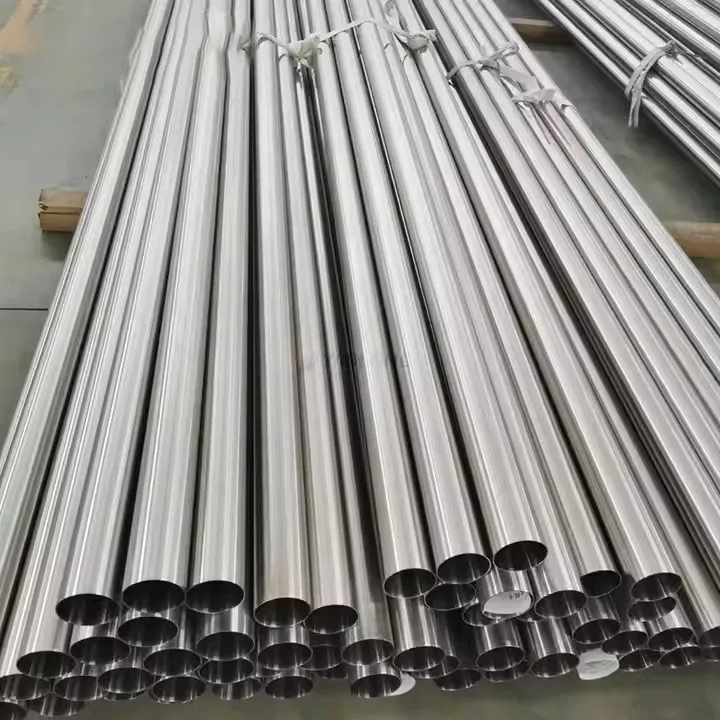

Factors Affecting Bending Strength
Several factors can influence the bending strength of a stainless steel tee. Understanding these factors is essential for selecting the right tee for your application and ensuring its optimal performance. Here are some of the key factors to consider:
Material Composition
The material composition of the stainless steel used to manufacture the tee plays a significant role in its bending strength. Different grades of stainless steel have varying chemical compositions, which can affect their mechanical properties, including bending strength. For example, austenitic stainless steels, such as grade 304 and 316, are known for their excellent corrosion resistance and good bending strength. On the other hand, ferritic stainless steels, such as grade 430, have lower bending strength but are more resistant to stress corrosion cracking.
Wall Thickness
The wall thickness of the stainless steel tee is another important factor that affects its bending strength. Generally, tees with thicker walls have higher bending strength than those with thinner walls. This is because a thicker wall provides more material to resist the bending forces and distribute the stress more evenly across the tee. However, increasing the wall thickness also increases the weight and cost of the tee, so it is important to find a balance between bending strength and other requirements, such as weight and cost.
Tee Design
The design of the stainless steel tee can also have a significant impact on its bending strength. Factors such as the shape of the tee, the radius of the bends, and the presence of any reinforcements or flanges can all affect how the tee responds to bending forces. For example, a tee with a smooth, rounded bend radius will generally have higher bending strength than one with a sharp, angular bend radius. Similarly, a tee with reinforcements or flanges at the critical points can provide additional support and improve its bending strength.
Manufacturing Process
The manufacturing process used to produce the stainless steel tee can also influence its bending strength. Different manufacturing processes, such as hot forming, cold forming, and welding, can introduce different levels of stress and residual stress into the tee, which can affect its mechanical properties. For example, a tee that is hot formed may have a more uniform grain structure and better mechanical properties than one that is cold formed. Similarly, a tee that is welded using a high-quality welding process can have better bending strength than one that is welded using a lower-quality process.
Importance of Bending Strength in Applications
The bending strength of a stainless steel tee is an important consideration in many applications. Here are some examples of how bending strength can affect the performance and reliability of stainless steel tees in different industries:
Plumbing Systems
In plumbing systems, stainless steel tees are used to connect pipes and redirect the flow of water or other fluids. The bending strength of the tee is important to ensure that it can withstand the pressure and forces exerted by the fluid without leaking or breaking. A tee with insufficient bending strength may crack or burst under high pressure, leading to water damage and costly repairs.
Structural Frameworks
In structural frameworks, stainless steel tees are used to connect beams and columns and provide support for the structure. The bending strength of the tee is crucial to ensure that it can withstand the weight and forces exerted by the structure without deforming or collapsing. A tee with low bending strength may cause the structure to become unstable and pose a safety hazard.
Mechanical Assemblies
In mechanical assemblies, stainless steel tees are used to connect different components and transmit power or motion. The bending strength of the tee is important to ensure that it can withstand the forces and vibrations generated by the mechanical system without failing. A tee with poor bending strength may cause the assembly to malfunction or break down, leading to downtime and lost productivity.
Selecting the Right Stainless Steel Tee for Your Application
When selecting a stainless steel tee for your application, it is important to consider the bending strength requirements as well as other factors, such as corrosion resistance, temperature resistance, and cost. Here are some tips to help you choose the right tee:
Determine the Bending Strength Requirements
The first step in selecting a stainless steel tee is to determine the bending strength requirements for your application. This will depend on factors such as the type of load the tee will be subjected to, the maximum stress it will experience, and the safety factor required. You can consult with a structural engineer or a materials expert to help you determine the appropriate bending strength requirements for your application.
Choose the Right Material Grade
Once you have determined the bending strength requirements, you can choose the right material grade for your stainless steel tee. As mentioned earlier, different grades of stainless steel have different mechanical properties, including bending strength. You should choose a grade that has the appropriate bending strength for your application as well as other properties, such as corrosion resistance and temperature resistance.
Consider the Wall Thickness
The wall thickness of the stainless steel tee is another important factor to consider. You should choose a tee with a wall thickness that provides the necessary bending strength for your application while also meeting other requirements, such as weight and cost. A thicker wall will generally provide higher bending strength, but it will also increase the weight and cost of the tee.
Evaluate the Tee Design
The design of the stainless steel tee can also have a significant impact on its bending strength. You should choose a tee with a design that is optimized for your application and provides the necessary support and reinforcement. Factors such as the shape of the tee, the radius of the bends, and the presence of any reinforcements or flanges can all affect the bending strength of the tee.
Choose a Reputable Supplier
Finally, it is important to choose a reputable supplier for your stainless steel tees. A reputable supplier will have the expertise and experience to help you choose the right tee for your application and ensure that it meets the highest quality standards. They will also be able to provide you with technical support and assistance throughout the procurement process.
Conclusion
In conclusion, the bending strength of a stainless steel tee is a crucial property that determines its performance and reliability in various applications. Understanding the concept of bending strength, the factors that affect it, and how it relates to the quality and suitability of stainless steel tees is essential for selecting the right tee for your application and ensuring its optimal performance. By considering the bending strength requirements, choosing the right material grade, wall thickness, and tee design, and working with a reputable supplier, you can ensure that your stainless steel tees will provide the necessary support and durability for your project.
If you are in the market for high-quality stainless steel tees, we invite you to [contact us] to discuss your requirements and learn more about our products and services. Our team of experts is dedicated to providing you with the best possible solutions and ensuring your satisfaction.
References
- ASME Boiler and Pressure Vessel Code, Section VIII, Division 1.
- ASTM A312/A312M - Standard Specification for Seamless, Welded, and Heavily Cold Worked Austenitic Stainless Steel Pipes.
- ASTM A403/A403M - Standard Specification for Wrought Austenitic Stainless Steel Piping Fittings.
- The Properties and Selection of Stainless Steels, ASM International.