

In the realm of stainless steel products, the 410 stainless steel sheet holds a significant position due to its unique properties and wide range of applications. As a dedicated supplier of 410 stainless steel sheets, I've witnessed firsthand how various factors can influence its price. Understanding these factors is crucial for both suppliers like me and customers looking to make informed purchasing decisions. In this blog, I'll delve into the key elements that affect the price of 410 stainless steel sheets.
Raw Material Costs
The foundation of any stainless steel product's price is the cost of its raw materials. 410 stainless steel is a martensitic stainless steel, primarily composed of iron, chromium, and a small amount of carbon. The prices of these raw materials are subject to global market fluctuations.
Chromium, a key alloying element in 410 stainless steel, plays a vital role in providing corrosion resistance. Its price is influenced by factors such as mining production, geopolitical issues in major chromium - producing regions, and global demand from various industries. For instance, if there are disruptions in chromium mining due to labor strikes or natural disasters, the supply of chromium will decrease, leading to an increase in its price. This, in turn, will drive up the cost of producing 410 stainless steel sheets.
Carbon is another important component. Although the carbon content in 410 stainless steel is relatively low, changes in the price of carbon - based materials can still have an impact. The steelmaking process often uses coal and coke, and fluctuations in their prices can affect the overall cost of producing 410 stainless steel.
Production Process Complexity
The manufacturing process of 410 stainless steel sheets is not a simple one, and the complexity of this process can significantly affect the price.
The production starts with melting the raw materials in a furnace. Achieving the right chemical composition requires precise control of the melting process, which involves careful monitoring of temperature, alloy addition, and other parameters. Any deviation from the required composition can lead to sub - standard products, increasing production costs.
After melting, the steel needs to be rolled into sheets. The rolling process can be either hot - rolling or cold - rolling. Hot - rolling is generally used for producing thicker sheets, while cold - rolling is employed for thinner and more precise sheets. Cold - rolling is a more complex and energy - intensive process, as it requires multiple passes through rolling mills to achieve the desired thickness and surface finish. As a result, 410 stainless steel sheets produced by cold - rolling are usually more expensive than those produced by hot - rolling.
Heat treatment is another crucial step in the production of 410 stainless steel sheets. Heat treatment can improve the mechanical properties of the steel, such as hardness and toughness. However, it requires specialized equipment and strict temperature and time control. Any errors in the heat treatment process can lead to product defects, increasing production costs and ultimately affecting the price.
Market Demand and Supply
The basic economic principle of supply and demand has a profound impact on the price of 410 stainless steel sheets. When the demand for 410 stainless steel sheets is high, and the supply is limited, the price will rise. Conversely, when the supply exceeds the demand, the price will fall.
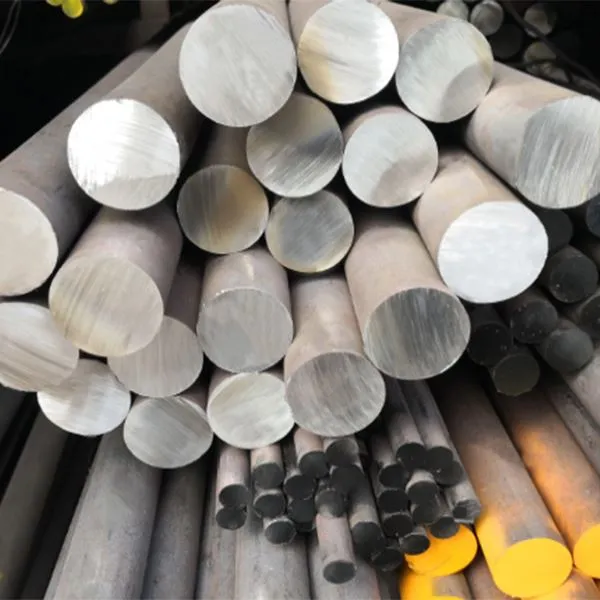

The demand for 410 stainless steel sheets comes from various industries. For example, in the automotive industry, 410 stainless steel sheets are used for exhaust systems due to their good corrosion resistance and high - temperature performance. If the automotive industry experiences a boom, the demand for 410 stainless steel sheets will increase, putting upward pressure on the price.
On the supply side, the production capacity of stainless steel manufacturers plays a crucial role. New production facilities or expansions of existing ones can increase the supply of 410 stainless steel sheets, potentially leading to a price decrease. However, if there are production disruptions, such as equipment breakdowns or maintenance shutdowns, the supply will be reduced, causing the price to rise.
Quality and Specifications
The quality and specifications of 410 stainless steel sheets also have a direct impact on their price. High - quality sheets with strict compliance to international standards are more expensive than lower - quality ones.
For example, sheets with a smooth surface finish, uniform thickness, and excellent mechanical properties are considered high - quality products. Achieving these high - quality standards requires more advanced production techniques and stricter quality control measures, which increase the production cost.
The size and thickness of the sheets also matter. Larger and thicker sheets generally require more raw materials and more complex production processes, so they are more expensive than smaller and thinner ones. Additionally, custom - made sheets with special specifications, such as non - standard sizes or special shapes, are often more costly due to the additional production steps and tooling required.
Transportation and Logistics
Transportation and logistics costs are an important part of the final price of 410 stainless steel sheets. The distance between the production facility and the customer, the mode of transportation, and the current state of the logistics market all affect these costs.
If the customer is located far from the production facility, the transportation cost will be higher. Shipping large quantities of heavy stainless steel sheets over long distances can be expensive, especially if the transportation involves multiple modes, such as trucking, rail, and shipping.
The logistics market conditions, such as fuel prices and shipping rates, also play a role. An increase in fuel prices will directly increase the transportation cost, while fluctuations in shipping rates can also have a significant impact. For example, during peak shipping seasons, the demand for shipping containers is high, and the shipping rates may rise, leading to an increase in the overall cost of delivering 410 stainless steel sheets.
Global Economic and Political Factors
Global economic and political factors can have a far - reaching impact on the price of 410 stainless steel sheets. Economic recessions can lead to a decrease in demand from various industries, causing the price to fall. On the other hand, economic growth can stimulate demand, driving up the price.
Political factors, such as trade policies and tariffs, can also affect the price. For example, if a country imposes high tariffs on imported stainless steel products, the price of 410 stainless steel sheets in that country will increase. Geopolitical tensions can also disrupt the supply chain, leading to price fluctuations.
As a supplier of 410 stainless steel sheets, I understand that these factors are constantly changing, and it's essential for me to stay updated on the latest market trends. By closely monitoring these factors, I can better manage my inventory, adjust my prices, and provide the best value to my customers.
If you're in the market for 410 stainless steel sheets, or other related products like 403 Stainless Steel Tube, Ss 410 2mm 3mm 6mm Stainless Steel Round Bar, or 630 Stainless Steel Tube, I'm here to assist you. I can provide you with detailed product information, competitive prices, and excellent customer service. Feel free to contact me for further discussion and to start the purchasing process.
References
- "Stainless Steel Handbook" by Davis, J. R.
- Industry reports from major stainless steel associations.
- Market research on raw material prices and supply - demand dynamics.