

As a supplier of 420 stainless steel pipe, I am often asked about the environmental impacts of using our products. Stainless steel, in general, is lauded for its durability, corrosion resistance, and versatility, and 420 stainless steel is no exception. However, like any industrial material, it has its own set of environmental implications throughout its life cycle, from extraction and production to use and disposal. In this blog, I will delve into the environmental impacts of using 420 stainless steel pipe, both positive and negative, to provide a comprehensive understanding of its sustainability profile.
1. Extraction and Production
The production of 420 stainless steel pipe begins with the extraction of raw materials, primarily iron ore, chromium, and nickel. Mining these resources can have significant environmental impacts, including deforestation, soil erosion, water pollution, and habitat destruction. The extraction process often involves large-scale excavation, which can disrupt ecosystems and lead to the loss of biodiversity. Additionally, the use of chemicals such as cyanide and mercury in some mining operations can contaminate water sources and pose health risks to nearby communities.
Once the raw materials are extracted, they are transported to steel mills, where they are processed into stainless steel. The steelmaking process is energy-intensive, requiring large amounts of fossil fuels to heat and melt the raw materials. The burning of fossil fuels releases greenhouse gases (GHGs) such as carbon dioxide (CO2), methane (CH4), and nitrous oxide (N2O) into the atmosphere, contributing to climate change. According to the World Steel Association, the steel industry accounts for approximately 7% to 9% of global direct CO2 emissions.
In addition to GHG emissions, the steelmaking process also generates other environmental pollutants, such as particulate matter (PM), sulfur dioxide (SO2), and nitrogen oxides (NOx). These pollutants can have detrimental effects on air quality, human health, and the environment. PM, for example, can cause respiratory problems, heart disease, and lung cancer, while SO2 and NOx can contribute to acid rain, smog, and respiratory illnesses.
2. Use Phase
Despite the environmental impacts associated with its production, 420 stainless steel pipe offers several environmental benefits during its use phase. One of the key advantages of stainless steel is its durability and corrosion resistance. Unlike other materials, such as carbon steel or aluminum, stainless steel does not rust or corrode easily, which means it can last for decades without needing to be replaced. This longevity reduces the need for frequent replacements, which in turn reduces the demand for raw materials and energy required for production.
Another environmental benefit of 420 stainless steel pipe is its recyclability. Stainless steel is one of the most recycled materials in the world, with a recycling rate of over 90%. At the end of its useful life, stainless steel can be easily melted down and reused to make new products, without losing its properties or quality. Recycling stainless steel requires less energy and resources than producing new steel from raw materials, which helps to conserve natural resources and reduce GHG emissions.
In addition to its durability and recyclability, 420 stainless steel pipe is also a low-maintenance material. It does not require painting, coating, or other forms of surface treatment to protect it from corrosion, which reduces the use of chemicals and solvents that can be harmful to the environment. Furthermore, stainless steel is non-toxic and does not leach harmful chemicals into the environment, making it a safe and sustainable choice for a wide range of applications.
3. Disposal
When 420 stainless steel pipe reaches the end of its useful life, it can be recycled or disposed of in an environmentally responsible manner. As mentioned earlier, stainless steel is highly recyclable, and recycling it is the most sustainable option. Recycling stainless steel reduces the need for virgin raw materials, conserves energy, and reduces GHG emissions. To ensure that stainless steel is recycled properly, it should be separated from other materials and sent to a certified recycling facility.
If recycling is not possible, 420 stainless steel pipe can be disposed of in a landfill. However, it is important to note that stainless steel is a very durable material and can take a long time to break down in a landfill. Therefore, it is recommended to minimize the amount of stainless steel waste sent to landfills by recycling or reusing it whenever possible.
4. Mitigating the Environmental Impacts
As a 420 stainless steel pipe supplier, we are committed to minimizing the environmental impacts of our products. We work closely with our suppliers to ensure that the raw materials used in our products are sourced responsibly and sustainably. We also invest in energy-efficient technologies and processes to reduce the energy consumption and GHG emissions associated with our production operations.
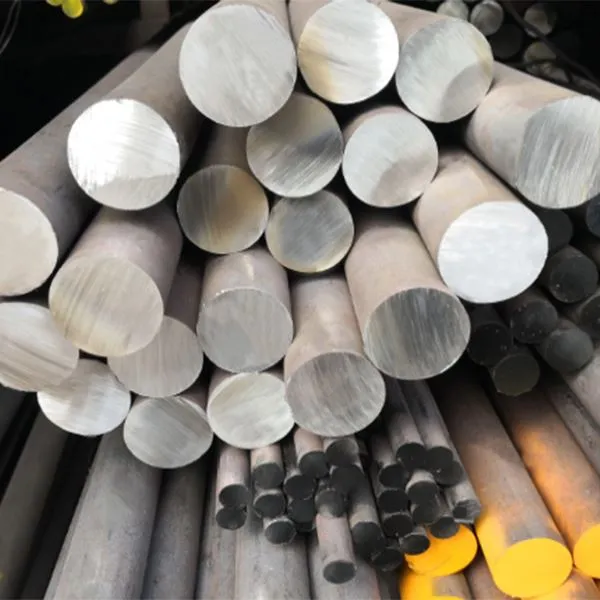

In addition to our efforts to reduce the environmental impacts of our products, we also encourage our customers to use stainless steel in a sustainable manner. We provide information and resources on the environmental benefits of stainless steel and offer tips on how to recycle and reuse stainless steel products at the end of their useful life.
5. Related Products
If you are interested in other martensitic stainless steel products, we also offer Ss 410 2mm 3mm 6mm Stainless Steel Round Bar, 630 Stainless Steel Tube, and 440C Stainless Steel Sheet. These products share many of the same environmental benefits as 420 stainless steel pipe, including durability, corrosion resistance, and recyclability.
6. Conclusion
In conclusion, the use of 420 stainless steel pipe has both positive and negative environmental impacts. While the extraction and production of stainless steel can have significant environmental consequences, the material offers several environmental benefits during its use phase, including durability, recyclability, and low maintenance. By using stainless steel in a sustainable manner and recycling it at the end of its useful life, we can minimize the environmental impacts of this versatile material.
If you are interested in learning more about 420 stainless steel pipe or other martensitic stainless steel products, please feel free to contact us. We would be happy to provide you with more information and assist you in your procurement process.
References
- World Steel Association. (2021). Steel and climate change. Retrieved from https://worldsteel.org/climate-change/
- International Stainless Steel Forum. (2021). The environmental benefits of stainless steel. Retrieved from https://www.worldstainless.org/environment/
- United States Environmental Protection Agency. (2021). Recycling basics. Retrieved from https://www.epa.gov/recycle/recycling-basics