

S32550 stainless steel, also known as duplex stainless steel, is a remarkable material that combines the best of both worlds - the strength of ferritic stainless steels and the corrosion resistance of austenitic stainless steels. As a leading supplier of S32550 stainless steel, I am often asked about its chemical composition and how it contributes to the material's unique properties. In this blog post, I will delve into the chemical makeup of S32550 stainless steel, explore its key elements, and discuss the benefits of using this versatile material in various applications.

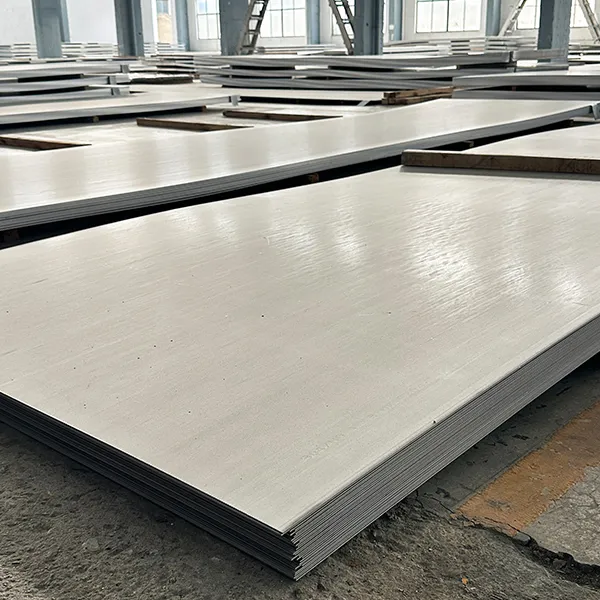
The Chemical Composition of S32550 Stainless Steel
S32550 stainless steel is a complex alloy composed of several key elements, each playing a crucial role in determining the material's properties. The following is a breakdown of the typical chemical composition of S32550 stainless steel:
- Chromium (Cr): Chromium is the primary alloying element in S32550 stainless steel, typically present in the range of 24.0 - 27.0%. Chromium forms a passive oxide layer on the surface of the steel, which provides excellent corrosion resistance in a wide range of environments. This oxide layer acts as a barrier, preventing the underlying metal from coming into contact with corrosive agents such as acids, alkalis, and salts.
- Nickel (Ni): Nickel is another important alloying element in S32550 stainless steel, usually present in the range of 4.5 - 6.5%. Nickel enhances the corrosion resistance of the steel, particularly in acidic and chloride-containing environments. It also improves the toughness and ductility of the material, making it more resistant to cracking and deformation.
- Molybdenum (Mo): Molybdenum is typically present in the range of 2.9 - 3.9% in S32550 stainless steel. Molybdenum further enhances the corrosion resistance of the steel, especially in the presence of chlorides and other aggressive media. It also improves the pitting and crevice corrosion resistance of the material, making it suitable for use in marine and chemical processing applications.
- Copper (Cu): Copper is added to S32550 stainless steel in the range of 1.5 - 2.5%. Copper improves the resistance of the steel to corrosion in reducing acids, such as sulfuric acid. It also enhances the formability and weldability of the material, making it easier to fabricate into various shapes and structures.
- Nitrogen (N): Nitrogen is present in the range of 0.1 - 0.2% in S32550 stainless steel. Nitrogen strengthens the steel by forming nitride precipitates, which improve the yield strength and hardness of the material. It also enhances the corrosion resistance of the steel, particularly in pitting and crevice corrosion environments.
- Carbon (C): Carbon is typically limited to a maximum of 0.03% in S32550 stainless steel. High carbon content can reduce the corrosion resistance of the steel, particularly in the presence of sensitization, which can lead to intergranular corrosion. By limiting the carbon content, the risk of sensitization is minimized, ensuring the long-term corrosion resistance of the material.
- Manganese (Mn): Manganese is present in the range of 1.0 - 2.0% in S32550 stainless steel. Manganese acts as a deoxidizer and desulfurizer, improving the cleanliness and quality of the steel. It also enhances the strength and toughness of the material, making it more suitable for high-stress applications.
- Silicon (Si): Silicon is typically limited to a maximum of 1.0% in S32550 stainless steel. Silicon acts as a deoxidizer and improves the fluidity of the molten steel during casting. It also enhances the oxidation resistance of the steel, particularly at high temperatures.
- Phosphorus (P) and Sulfur (S): Phosphorus and sulfur are impurities that are typically limited to a maximum of 0.03% each in S32550 stainless steel. High levels of phosphorus and sulfur can reduce the corrosion resistance and mechanical properties of the steel, so they are carefully controlled during the manufacturing process.
Benefits of S32550 Stainless Steel
The unique chemical composition of S32550 stainless steel gives it several key benefits, making it a popular choice for a wide range of applications. Some of the main benefits of S32550 stainless steel include:
- Excellent Corrosion Resistance: The combination of chromium, nickel, molybdenum, and nitrogen in S32550 stainless steel provides excellent corrosion resistance in a wide range of environments, including marine, chemical, and petrochemical applications. The passive oxide layer formed by chromium protects the underlying metal from corrosion, while the other alloying elements enhance the resistance to pitting, crevice corrosion, and stress corrosion cracking.
- High Strength and Toughness: S32550 stainless steel has a high yield strength and tensile strength, making it suitable for high-stress applications. The addition of nitrogen and other alloying elements strengthens the steel, improving its resistance to deformation and cracking. The material also has good toughness, which allows it to absorb energy without fracturing, making it suitable for use in applications where impact resistance is required.
- Good Weldability and Formability: S32550 stainless steel has good weldability and formability, making it easy to fabricate into various shapes and structures. The addition of copper and other alloying elements improves the formability of the material, while the low carbon content minimizes the risk of sensitization during welding. This makes S32550 stainless steel a popular choice for applications such as piping, tubing, and structural components.
- Cost-Effective: Compared to other high-performance stainless steels, S32550 stainless steel offers a good balance of performance and cost. Its excellent corrosion resistance and high strength make it a cost-effective alternative to more expensive materials such as nickel-based alloys. This makes S32550 stainless steel a popular choice for applications where cost is a major consideration.
Applications of S32550 Stainless Steel
Due to its excellent corrosion resistance, high strength, and good weldability, S32550 stainless steel is used in a wide range of applications across various industries. Some of the common applications of S32550 stainless steel include:
- Marine and Offshore Applications: S32550 stainless steel is widely used in marine and offshore applications, such as shipbuilding, oil and gas platforms, and desalination plants. Its excellent corrosion resistance in seawater and other aggressive environments makes it a popular choice for components such as pipes, valves, and fittings.
- Chemical and Petrochemical Industry: S32550 stainless steel is used in the chemical and petrochemical industry for applications such as reactors, heat exchangers, and storage tanks. Its resistance to corrosion in a wide range of chemicals and high temperatures makes it suitable for use in harsh chemical environments.
- Food and Beverage Industry: S32550 stainless steel is used in the food and beverage industry for applications such as food processing equipment, storage tanks, and piping. Its corrosion resistance and hygienic properties make it a popular choice for use in food and beverage production, where cleanliness and product safety are of utmost importance.
- Power Generation Industry: S32550 stainless steel is used in the power generation industry for applications such as boilers, condensers, and steam turbines. Its high strength and corrosion resistance make it suitable for use in high-temperature and high-pressure environments, where reliability and durability are essential.
Conclusion
In conclusion, S32550 stainless steel is a versatile and high-performance material with a unique chemical composition that gives it excellent corrosion resistance, high strength, and good weldability. As a leading supplier of S32550 Stainless Steel, we offer a wide range of S32550 stainless steel products, including sheets, plates, bars, pipes, and fittings. Our products are manufactured to the highest quality standards and are available in various sizes and specifications to meet the needs of our customers.
If you are interested in learning more about S32550 stainless steel or would like to discuss your specific requirements, please do not hesitate to contact us. Our team of experts is always ready to assist you with your inquiries and provide you with the best solutions for your applications. We look forward to hearing from you and working with you on your next project.
References
- ASM Handbook, Volume 13A: Corrosion: Fundamentals, Testing, and Protection. ASM International, 2003.
- Stainless Steel: A Practical Guide. George E. Totten, John D. MacKenzie, and David L. Olson. ASM International, 2006.
- Duplex Stainless Steels. John C. Lippold and David L. Kotecki. ASM International, 2005.