

Hey there! I'm a supplier of Incoloy 825 fasteners, and I'm super excited to chat with you about just how strong these little marvels are. Incoloy 825 is an alloy that's been making waves in various industries for its outstanding properties, and the fasteners made from it are no exception.
First off, let's talk about what Incoloy 825 is. It's a nickel-iron-chromium alloy with additions of molybdenum, copper, and titanium. This combination gives it some seriously impressive characteristics. One of the key strengths of Incoloy 825 fasteners is their corrosion resistance. They can stand up to a wide range of corrosive environments, including those with sulfuric acid, phosphoric acid, and seawater. This makes them ideal for use in industries like chemical processing, oil and gas, and marine applications.
In the chemical processing industry, where harsh chemicals are the norm, Incoloy 825 fasteners are a game-changer. They can withstand the corrosive effects of acids and alkalis, ensuring that the equipment they're used in stays in top condition for longer. For example, in a sulfuric acid plant, these fasteners can prevent leaks and structural failures that could lead to costly downtime and safety hazards.
The oil and gas industry also benefits greatly from the strength of Incoloy 825 fasteners. In offshore drilling platforms, they're exposed to seawater, which is extremely corrosive. But thanks to their excellent corrosion resistance, these fasteners can keep the platforms secure and stable. They're also used in pipelines, where they need to withstand the pressure and corrosive nature of the fluids being transported.
Marine applications are another area where Incoloy 825 fasteners shine. Whether it's on boats, ships, or coastal structures, they can handle the saltwater environment without rusting or deteriorating. This means that the vessels and structures are safer and more reliable, reducing the risk of accidents and costly repairs.
But corrosion resistance isn't the only thing that makes Incoloy 825 fasteners strong. They also have good mechanical properties. They're tough and ductile, which means they can withstand high levels of stress without breaking. This is important in applications where the fasteners are subjected to heavy loads or vibrations.
In addition to their strength, Incoloy 825 fasteners are also easy to work with. They can be machined, welded, and formed into various shapes and sizes, making them suitable for a wide range of applications. This flexibility makes them a popular choice among engineers and designers.
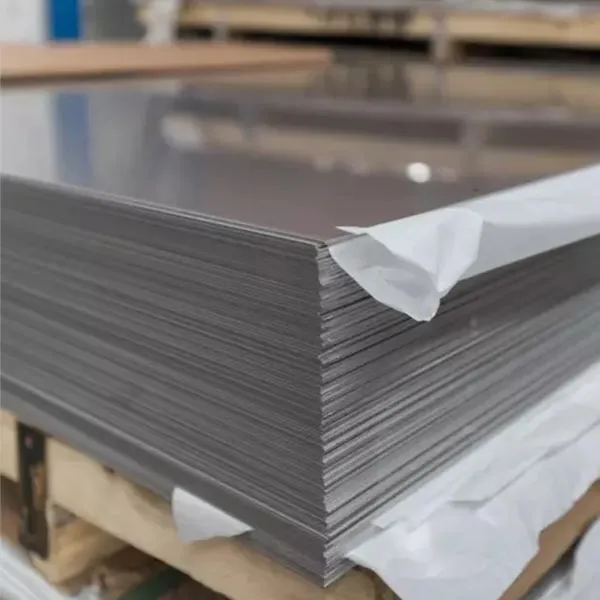
Now, let's compare Incoloy 825 fasteners with some other alloys. For instance, Inconel 600 Sheet and Inconel 625 Sheet are also well-known alloys with good corrosion resistance. However, Incoloy 825 has better resistance to reducing acids like sulfuric acid, which gives it an edge in certain applications. And Inconel 600 Bar is another option, but Incoloy 825 offers better resistance to pitting and crevice corrosion in chloride-containing environments.
So, if you're in an industry that requires strong, corrosion-resistant fasteners, Incoloy 825 is definitely worth considering. As a supplier, I can offer you high-quality Incoloy 825 fasteners at competitive prices. Whether you need a small quantity for a prototype or a large order for a big project, I've got you covered.
If you're interested in learning more about Incoloy 825 fasteners or want to discuss your specific requirements, don't hesitate to reach out. I'm here to help you find the best solutions for your needs. Just drop me a message, and we can start the conversation.
In conclusion, Incoloy 825 fasteners are incredibly strong and versatile. Their corrosion resistance, mechanical properties, and ease of use make them a top choice for a wide range of industries. So, if you're looking for reliable fasteners that can stand the test of time, give Incoloy 825 a try.
References:

- ASM Handbook, Volume 2: Properties and Selection: Nonferrous Alloys and Special-Purpose Materials
- Corrosion Resistance of Nickel-Based Alloys, by Robert Baboian