

When it comes to choosing the right material for various industrial applications, the decision between alloy steel and non-ferrous metals is a critical one. As a supplier of alloy steel, I've had the privilege of working closely with clients across different sectors, helping them understand the unique properties and benefits of each option. In this blog, I'll delve into a detailed comparison of alloy steel and non-ferrous metals, highlighting their characteristics, advantages, and applications.
Understanding Alloy Steel
Alloy steel is a type of steel that contains additional alloying elements such as manganese, nickel, chromium, molybdenum, vanadium, silicon, and boron. These elements are added in varying proportions to enhance specific properties of the steel, such as strength, hardness, corrosion resistance, and toughness. The resulting alloy steel can be tailored to meet the requirements of a wide range of applications, from automotive parts to aerospace components.
One of the key advantages of alloy steel is its high strength-to-weight ratio. This makes it an ideal choice for applications where weight reduction is crucial without compromising on strength. For example, in the automotive industry, alloy steel is used to manufacture engine components, suspension systems, and transmission parts. Its superior strength allows for the design of lighter and more fuel-efficient vehicles.

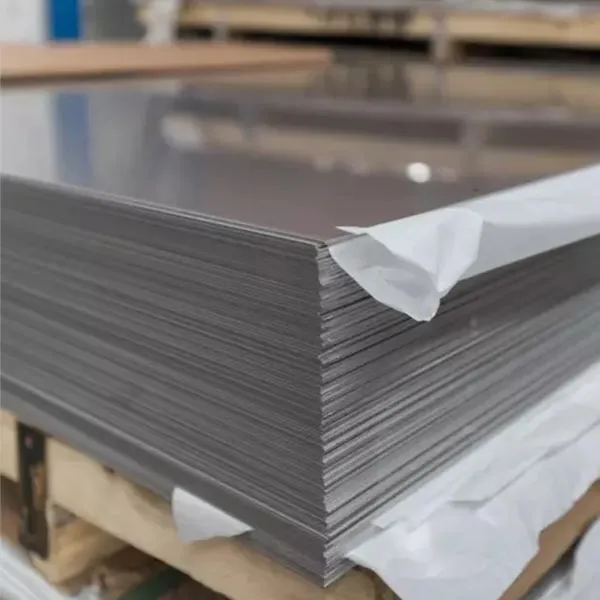
Another significant benefit of alloy steel is its excellent heat resistance. Certain alloy steels can withstand high temperatures without losing their mechanical properties, making them suitable for applications in the aerospace, power generation, and oil and gas industries. For instance, Inconel 600 Sheet and Inconel 625 Sheet are well-known alloy steel products that offer exceptional resistance to oxidation and corrosion at elevated temperatures. They are commonly used in the construction of jet engines, gas turbines, and chemical processing equipment.
Alloy steel also offers good corrosion resistance, especially when alloyed with elements such as chromium and nickel. This makes it a popular choice for applications in harsh environments, such as marine and offshore structures. For example, Inconel 600 Bar is often used in the manufacturing of heat exchangers, condensers, and piping systems in the chemical and petrochemical industries, where it can resist the corrosive effects of acids, alkalis, and other chemicals.
Exploring Non-Ferrous Metals
Non-ferrous metals are metals that do not contain iron as their main component. This group includes metals such as aluminum, copper, brass, bronze, titanium, and magnesium. Each non-ferrous metal has its own unique set of properties, which make them suitable for specific applications.
Aluminum is one of the most widely used non-ferrous metals due to its low density, high strength-to-weight ratio, and excellent corrosion resistance. It is commonly used in the automotive, aerospace, and construction industries. In the automotive industry, aluminum is used to manufacture engine blocks, wheels, and body panels, reducing the weight of the vehicle and improving fuel efficiency. In the aerospace industry, aluminum alloys are used in the construction of aircraft frames, wings, and fuselages, where their lightweight properties are essential for flight performance.
Copper is another important non-ferrous metal known for its high electrical and thermal conductivity. It is widely used in the electrical and electronics industries for the manufacture of wiring, cables, and printed circuit boards. Copper is also used in the plumbing and heating industries due to its corrosion resistance and antimicrobial properties.
Brass, an alloy of copper and zinc, is known for its attractive golden color, good machinability, and corrosion resistance. It is commonly used in the manufacturing of decorative items, musical instruments, and plumbing fittings. Bronze, an alloy of copper and tin, is valued for its hardness, strength, and wear resistance. It is used in the production of bearings, gears, and statues.
Titanium is a lightweight, strong, and corrosion-resistant non-ferrous metal. It has a high strength-to-weight ratio and excellent biocompatibility, making it suitable for applications in the aerospace, medical, and sports industries. In the aerospace industry, titanium is used in the construction of aircraft engines, airframes, and landing gear. In the medical industry, titanium is used in the manufacturing of dental implants, orthopedic devices, and surgical instruments.
Magnesium is the lightest structural metal and has a high strength-to-weight ratio. It is used in the automotive and aerospace industries to reduce weight and improve fuel efficiency. Magnesium alloys are also used in the electronics industry for the manufacture of laptop computer cases, mobile phone frames, and other lightweight components.
Comparing Alloy Steel and Non-Ferrous Metals
Strength and Hardness
Alloy steel generally offers higher strength and hardness compared to most non-ferrous metals. This makes it suitable for applications that require high load-bearing capacity and resistance to wear and deformation. For example, in the manufacturing of heavy machinery and equipment, alloy steel is often the preferred choice due to its ability to withstand extreme stress and pressure. However, some non-ferrous metals, such as titanium, can also offer high strength, especially in applications where weight reduction is a priority.
Corrosion Resistance
Both alloy steel and non-ferrous metals can offer good corrosion resistance, but the level of resistance depends on the specific alloy and the environment. Alloy steel can be made highly corrosion-resistant by alloying it with elements such as chromium and nickel. Non-ferrous metals such as aluminum, copper, and titanium also have inherent corrosion resistance. For example, aluminum forms a thin oxide layer on its surface, which protects it from further corrosion. In marine and coastal environments, non-ferrous metals like aluminum and titanium may be preferred over alloy steel due to their better resistance to saltwater corrosion.
Weight
Non-ferrous metals, especially aluminum and magnesium, are generally lighter than alloy steel. This makes them ideal for applications where weight reduction is crucial, such as in the automotive and aerospace industries. However, alloy steel's high strength-to-weight ratio means that it can still be used in applications where a balance between strength and weight is required.
Cost
The cost of alloy steel and non-ferrous metals can vary depending on factors such as availability, production processes, and market demand. In general, alloy steel is often more cost-effective than some non-ferrous metals, especially for large-scale applications. However, the cost of non-ferrous metals can be offset by their unique properties and the benefits they offer, such as lightweight, high conductivity, and corrosion resistance.
Machinability
Alloy steel can be more difficult to machine compared to some non-ferrous metals. The high strength and hardness of alloy steel can cause tool wear and require more advanced machining techniques. Non-ferrous metals such as aluminum, brass, and copper are generally easier to machine, which can reduce manufacturing costs and increase production efficiency.
Application Considerations
When choosing between alloy steel and non-ferrous metals, it is important to consider the specific requirements of the application. Factors such as strength, hardness, corrosion resistance, weight, cost, and machinability should all be taken into account.
In applications where high strength and hardness are required, such as in the manufacturing of heavy machinery, construction equipment, and automotive components, alloy steel is often the preferred choice. Its ability to withstand high loads and resist wear and deformation makes it suitable for these demanding applications.
For applications where weight reduction is a priority, such as in the aerospace and automotive industries, non-ferrous metals like aluminum and titanium are often used. Their low density and high strength-to-weight ratio allow for the design of lighter and more fuel-efficient vehicles and aircraft.
In applications where corrosion resistance is crucial, such as in the marine, chemical, and food processing industries, both alloy steel and non-ferrous metals can be used. The choice depends on the specific environment and the level of corrosion resistance required. For example, in highly corrosive environments, non-ferrous metals like titanium may be preferred, while in less corrosive environments, alloy steel with appropriate corrosion-resistant coatings may be sufficient.
In applications where electrical or thermal conductivity is important, such as in the electrical and electronics industries, non-ferrous metals like copper are the obvious choice. Their high conductivity allows for efficient transmission of electricity and heat.
Conclusion
In conclusion, both alloy steel and non-ferrous metals have their own unique properties and advantages, and the choice between them depends on the specific requirements of the application. As an alloy steel supplier, I understand the importance of providing our customers with the right material for their needs. Whether it's Inconel 600 Sheet, Inconel 625 Sheet, or Inconel 600 Bar, we offer a wide range of high-quality alloy steel products that can meet the most demanding applications.
If you are considering a material for your next project and need expert advice, please don't hesitate to contact us. Our team of experienced professionals is ready to assist you in selecting the right alloy steel or non-ferrous metal for your specific requirements. We can provide you with detailed information about the properties, applications, and pricing of our products, and help you make an informed decision. Let's work together to find the perfect solution for your project.
References
- ASM Handbook, Volume 1: Properties and Selection: Irons, Steels, and High-Performance Alloys.
- Metals Handbook Desk Edition, Third Edition.
- The Nonferrous Founders' Society Handbook.