

Alloy C276, also known as Hastelloy C - 276, is a nickel - molybdenum - chromium superalloy with tungsten added. It is one of the most versatile corrosion - resistant alloys available in the market today. As a trusted supplier of Alloy C276, I have witnessed firsthand the alloy's outstanding performance in various corrosive environments. In this blog, I will delve into the corrosion - resistant properties of Alloy C276 and explore the reasons behind its wide - spread use in critical applications.
Chemical Composition and Its Role in Corrosion Resistance
The chemical composition of Alloy C276 is the cornerstone of its excellent corrosion resistance. It typically contains approximately 57% nickel, 16% molybdenum, 15% chromium, 4% tungsten, and small amounts of other elements such as iron, cobalt, and manganese.

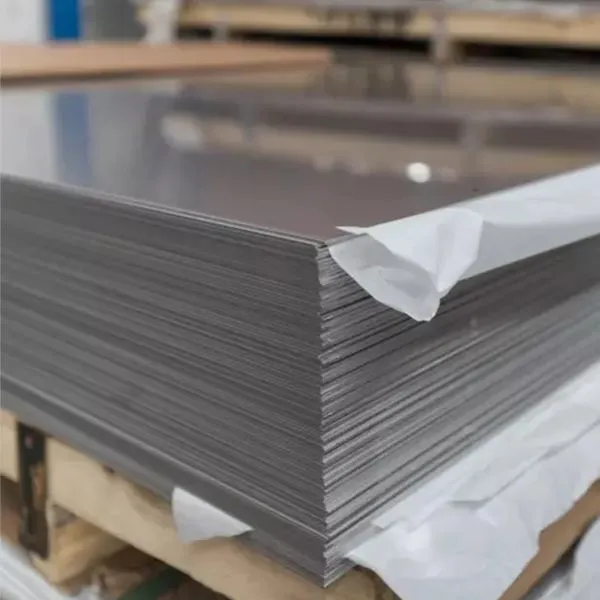
Nickel is the base metal in Alloy C276. It provides a stable face - centered cubic crystal structure, which is inherently resistant to corrosion. Nickel also has good solubility for other alloying elements, allowing for the formation of a homogeneous alloy with enhanced properties. In many corrosive media, nickel forms a passive oxide film on the surface, which acts as a barrier to prevent further corrosion.
Molybdenum is a key element in improving the alloy's resistance to pitting and crevice corrosion. It enhances the stability of the passive film and inhibits the initiation and propagation of pits. Molybdenum also helps to increase the alloy's resistance to reducing acids, such as hydrochloric acid and sulfuric acid.
Chromium is essential for the formation of a protective chromium oxide film on the surface of the alloy. This film is highly stable and provides excellent resistance to oxidation and corrosion in oxidizing environments. Chromium also contributes to the alloy's resistance to stress - corrosion cracking.
Tungsten further enhances the alloy's corrosion resistance, especially in acidic and high - temperature environments. It strengthens the passive film and improves the alloy's resistance to erosion - corrosion.
Corrosion Resistance in Different Environments
Resistance to Oxidizing Acids
Alloy C276 shows remarkable resistance to oxidizing acids such as nitric acid. In dilute nitric acid solutions, the chromium in the alloy forms a protective chromium oxide film, which effectively prevents the alloy from being attacked by the acid. Even at elevated temperatures and high acid concentrations, Alloy C276 can maintain its integrity and resist corrosion. This property makes it suitable for applications in the chemical processing industry, where nitric acid is commonly used in various processes.
Resistance to Reducing Acids
Reducing acids, such as hydrochloric acid and sulfuric acid, are highly corrosive to many metals. However, Alloy C276 performs well in these environments due to the presence of molybdenum and tungsten. Molybdenum helps to form a stable passive film on the surface of the alloy, which can withstand the attack of reducing acids. In hydrochloric acid solutions, Alloy C276 can resist corrosion at moderate temperatures and concentrations. In sulfuric acid, it can be used in a wide range of concentrations and temperatures, especially in the presence of oxidizing agents, which can further enhance its corrosion resistance.
Resistance to Chloride - Containing Environments
Chloride ions are known to cause pitting and crevice corrosion in many metals. Alloy C276 has excellent resistance to chloride - containing environments due to its high molybdenum and nickel content. The molybdenum in the alloy inhibits the initiation and growth of pits, while the nickel provides a stable matrix that resists the penetration of chloride ions. This makes Alloy C276 suitable for applications in marine environments, where seawater contains a high concentration of chloride ions, as well as in the chemical industry, where chloride - containing solutions are often used.
Resistance to High - Temperature Corrosion
In high - temperature environments, Alloy C276 can maintain its corrosion resistance. The alloy forms a stable oxide layer on the surface at high temperatures, which protects the underlying metal from oxidation and corrosion. This property makes it suitable for applications in the power generation industry, such as in the construction of boilers and heat exchangers, where high - temperature and corrosive conditions are common.
Comparison with Other Alloys
When comparing Alloy C276 with other alloys, its corrosion - resistant properties stand out. For example, Inconel 600 Bar is a nickel - chromium alloy that has good resistance to oxidation and corrosion in some environments. However, it is not as resistant to reducing acids and chloride - containing environments as Alloy C276. Inconel 600 is more suitable for applications in high - temperature oxidizing environments, such as in the aerospace industry.
Inconel 625 Sheet is another nickel - based alloy that contains chromium, molybdenum, and niobium. It has excellent corrosion resistance and high - temperature strength. While Inconel 625 is also resistant to a wide range of corrosive media, Alloy C276 has better resistance to pitting and crevice corrosion in chloride - containing environments.
Inconel 600 Sheet is similar to Inconel 600 Bar in terms of its properties. It has good oxidation resistance but is less resistant to reducing acids and chloride - containing solutions compared to Alloy C276.
Applications of Alloy C276
The outstanding corrosion - resistant properties of Alloy C276 make it suitable for a wide range of applications. In the chemical processing industry, it is used in the production of various chemicals, such as fertilizers, pharmaceuticals, and petrochemicals. It is used in reactors, storage tanks, pipes, and valves to handle corrosive chemicals.
In the oil and gas industry, Alloy C276 is used in offshore platforms, pipelines, and downhole equipment. It can withstand the harsh corrosive conditions in seawater and the presence of hydrogen sulfide and carbon dioxide.
In the power generation industry, Alloy C276 is used in boilers, heat exchangers, and condensers to resist high - temperature corrosion and erosion.
Conclusion
Alloy C276 is a high - performance alloy with exceptional corrosion - resistant properties. Its unique chemical composition, including nickel, molybdenum, chromium, and tungsten, gives it the ability to resist corrosion in a wide range of environments, from oxidizing acids to chloride - containing solutions and high - temperature conditions. Compared to other alloys such as Inconel 600 and Inconel 625, Alloy C276 offers superior resistance to pitting and crevice corrosion in many applications.
If you are looking for a reliable alloy for your corrosion - resistant applications, Alloy C276 is an excellent choice. As a supplier of Alloy C276, I am committed to providing high - quality products and excellent service. Whether you need Alloy C276 bars, sheets, or other forms, I can meet your requirements. Contact me to discuss your specific needs and start a procurement negotiation today.
References
- ASM Handbook Volume 13A: Corrosion: Fundamentals, Testing, and Protection. ASM International.
- “Corrosion Resistance of Nickel - Based Alloys” by R. Baboian. NACE International.
- Product literature from major alloy manufacturers on Alloy C276 and related alloys.