

Hey there! As a supplier of S32760 stainless steel, I often get asked if this material can be used in food - processing equipment. Well, let's dig into this topic and find out.
First off, what is S32760 stainless steel? It's a super duplex stainless steel, which means it has a unique microstructure that combines austenite and ferrite phases. This gives it some really cool properties like high strength, excellent corrosion resistance, and good weldability.
When it comes to food - processing equipment, there are a few key factors we need to consider. One of the most important ones is corrosion resistance. Food processing environments can be pretty harsh. You've got acids from fruits and vegetables, salts from brines, and various cleaning agents. All these can cause corrosion on the equipment, which not only shortens the lifespan of the machinery but can also contaminate the food.
S32760 stainless steel shines in this aspect. Its high chromium, molybdenum, and nitrogen content make it highly resistant to pitting, crevice corrosion, and stress - corrosion cracking. For example, in a pickling process where acidic solutions are used, S32760 can withstand the corrosive attack much better than some other common stainless steels.
Another factor is hygiene. In the food industry, cleanliness is of utmost importance. S32760 has a smooth surface finish, which makes it easy to clean. Bacteria and other contaminants are less likely to stick to it compared to materials with rough surfaces. This helps in maintaining a hygienic environment in the food - processing plant.
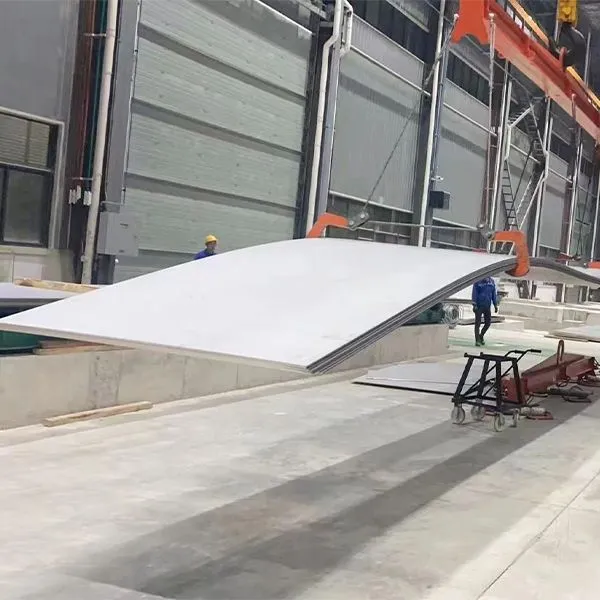
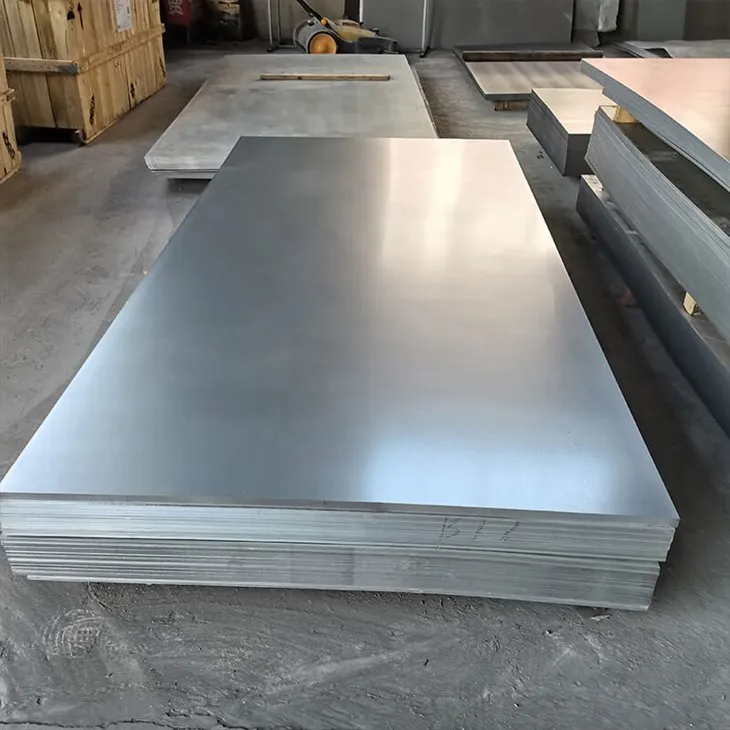
Now, let's compare S32760 with some other stainless steels commonly used in food - processing. There's the 2205 Stainless Steel Plate. It's also a duplex stainless steel, but S32760 generally has better corrosion resistance, especially in more aggressive environments. The 2507 Stainless Steel Sheet is another high - performance option. While 2507 has similar corrosion - resistant properties to S32760, S32760 has better weldability in some cases, which can be a big plus when fabricating food - processing equipment.
Then there's the 440C Stainless Sheet. 440C is a martensitic stainless steel known for its high hardness and wear resistance. However, it's not as corrosion - resistant as S32760 in many food - processing environments, especially those with high chloride content.
But it's not all sunshine and rainbows. S32760 does have some drawbacks when it comes to food - processing applications. One of the main issues is cost. It's more expensive than some of the other stainless steels like 2205. This can be a significant factor for small - to - medium - sized food - processing companies with tight budgets.
Also, the high strength of S32760 can sometimes make it a bit difficult to machine. Specialized tools and techniques are required, which can add to the manufacturing cost. But if you're willing to invest in the right processes, the long - term benefits in terms of durability and performance can outweigh these initial challenges.
In terms of regulatory compliance, S32760 generally meets the requirements for food - contact materials in many countries. However, it's always a good idea to double - check with local regulations and standards. For example, in the United States, the Food and Drug Administration (FDA) has specific guidelines for materials that come into contact with food. Make sure your S32760 products are tested and certified to meet these standards.
When selecting S32760 for food - processing equipment, you also need to think about the specific application. For equipment that's in constant contact with highly corrosive substances like concentrated acids or brines, S32760 is a great choice. But for less demanding applications, a more cost - effective stainless steel might be sufficient.
Let's talk about some real - world examples. In a large - scale seafood processing plant, where the equipment is exposed to saltwater and acidic cleaning agents, S32760 has been used successfully for conveyor belts, tanks, and piping. The corrosion resistance of S32760 ensures that these components last longer and don't contaminate the seafood.
In a dairy processing facility, S32760 can be used for pasteurization equipment. The smooth surface of S32760 makes it easy to clean, which is crucial for preventing the growth of bacteria in milk and other dairy products.
So, can S32760 stainless steel be used in food - processing equipment? The answer is yes, but with some considerations. It offers excellent corrosion resistance, good hygiene properties, and can meet regulatory requirements. However, the cost and machining challenges need to be taken into account.
If you're in the food - processing industry and are thinking about using S32760 for your equipment, I'd love to have a chat with you. We can discuss your specific needs, the best way to use S32760 in your applications, and how to make the most of its properties while keeping costs in check. Whether you're building a new processing plant or upgrading your existing equipment, I'm here to help.
Let's work together to ensure your food - processing equipment is reliable, durable, and meets all the necessary standards. Reach out to me, and we can start this exciting journey of using S32760 in your food - processing operations.
References:
- Stainless Steel Handbook, ASM International
- Food Processing Equipment Design and Engineering, Wiley