

Can 420 stainless steel pipe be used in architectural applications?
As a supplier of 420 stainless steel pipes, I often get asked about the suitability of this material for architectural applications. In this blog post, I'll delve into the properties of 420 stainless steel pipe and explore its potential uses in the architectural field.

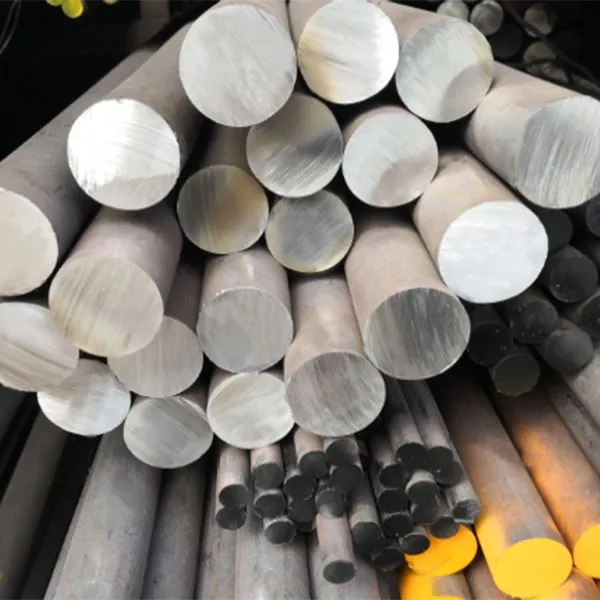
Understanding 420 Stainless Steel
420 stainless steel is a martensitic stainless steel that contains approximately 12 - 14% chromium. This alloy is known for its high strength, good corrosion resistance, and excellent machinability. The addition of carbon in 420 stainless steel allows it to be heat - treated to achieve different levels of hardness, making it a versatile material for various applications.
Properties of 420 Stainless Steel Pipe
- Strength and Hardness
One of the key advantages of 420 stainless steel pipe is its high strength. After heat treatment, it can attain a relatively high level of hardness, which makes it suitable for applications where mechanical strength is required. For example, in architectural structures that need to withstand heavy loads or impacts, 420 stainless steel pipes can provide the necessary support. - Corrosion Resistance
While 420 stainless steel is not as corrosion - resistant as some of the austenitic stainless steels like 304 or 316, it still offers decent corrosion resistance in many environments. It can resist corrosion from mild acids, alkalis, and some industrial atmospheres. However, in highly corrosive environments such as marine settings with high salt content, additional protective coatings may be required. - Machinability
420 stainless steel is known for its excellent machinability. It can be easily cut, welded, and formed into different shapes. This property is particularly beneficial in architectural applications, as it allows for the creation of complex designs and structures. Architects and fabricators can use standard machining processes to transform 420 stainless steel pipes into unique elements for buildings.
Architectural Applications of 420 Stainless Steel Pipe
- Structural Components
420 stainless steel pipes can be used as structural components in buildings. They can serve as columns, beams, or braces to provide support for the overall structure. Due to their high strength, they can handle significant loads, making them suitable for both small - scale and large - scale architectural projects. For instance, in a modern - style office building, 420 stainless steel pipes can be used as part of the internal support framework. - Decorative Elements
The aesthetic appeal of 420 stainless steel, along with its machinability, makes it an excellent choice for decorative elements in architecture. It can be fabricated into handrails, balustrades, and decorative screens. The smooth surface finish of 420 stainless steel pipes can add a touch of modernity and elegance to a building's interior or exterior. For example, in a luxury hotel lobby, a decorative handrail made of 420 stainless steel pipes can enhance the overall visual appeal. - Facade Systems
In some cases, 420 stainless steel pipes can be incorporated into facade systems. They can be used as framing elements or as part of a ventilated facade design. The pipes can provide structural support while also contributing to the building's energy efficiency by allowing for air circulation. This can help in reducing the building's cooling and heating costs.
Comparison with Other Stainless Steel Grades
- Compared to 440C Stainless Steel Sheet
440C Stainless Steel Sheet is another martensitic stainless steel. While 440C is known for its extremely high hardness and wear resistance, it is also more brittle compared to 420 stainless steel. In architectural applications, 420 stainless steel pipes may be a better choice when a balance between strength, ductility, and corrosion resistance is required. 440C may be more suitable for applications where high - quality cutting tools or components with extreme wear resistance are needed. - Compared to Ss 410 2mm 3mm 6mm Stainless Steel Round Bar
SS 410 2mm 3mm 6mm Stainless Steel Round Bar and 420 stainless steel have similar chemical compositions, but 420 generally has a slightly higher carbon content. This gives 420 stainless steel pipes a bit more strength and hardness after heat treatment. In architectural applications, 420 stainless steel pipes may be preferred when higher strength is needed, especially in load - bearing structures. - Compared to 403 Stainless Steel Tube
403 Stainless Steel Tube is also a martensitic stainless steel. 403 has good corrosion resistance and is often used in applications where resistance to steam and water is required. However, 420 stainless steel pipes offer better machinability and can be more easily formed into complex shapes, which gives them an edge in architectural applications where custom - made designs are common.
Limitations in Architectural Applications
- Corrosion in Harsh Environments
As mentioned earlier, 420 stainless steel is not as corrosion - resistant as some other stainless steel grades. In harsh environments such as coastal areas with high salt spray or industrial areas with high levels of pollution, it may corrode over time. To mitigate this, proper surface treatments and coatings need to be applied. - Aesthetic Changes Over Time
In some cases, the surface of 420 stainless steel pipes may change in appearance over time, especially if they are exposed to the elements. Oxidation or staining may occur, which can affect the overall aesthetic of the architectural element. Regular maintenance may be required to keep the pipes looking their best.
Conclusion
420 stainless steel pipes have significant potential in architectural applications. Their high strength, good machinability, and decent corrosion resistance make them suitable for a wide range of uses, from structural components to decorative elements. However, it's important to consider their limitations, especially in harsh environments. By understanding the properties of 420 stainless steel pipes and taking appropriate measures to address their limitations, architects and builders can effectively incorporate them into their projects.
If you are interested in using 420 stainless steel pipes for your architectural projects, I encourage you to reach out for a detailed discussion. We can provide you with high - quality 420 stainless steel pipes and offer professional advice on their application. Let's work together to bring your architectural visions to life.
References
- ASM Handbook Volume 13A: Corrosion: Fundamentals, Testing, and Protection
- Stainless Steel World Magazine, various issues related to stainless steel applications in architecture